

2026 Update: What’s Changed?
Since this guide was originally published, the cryptocurrency market has reached new milestones. Bitcoin surged to new all-time highs above $110,000 in early 2026, while Ethereum’s staking ecosystem continued to grow following successful network upgrades. The total crypto market capitalization now exceeds $5 trillion, reflecting sustained institutional adoption and mainstream acceptance. Spot Bitcoin and Ethereum ETFs have brought traditional investors into the space, while real-time payment systems like FedNow (US) and SEPA Instant (EU) have made buying and selling crypto faster and cheaper than ever before.
Regulatory clarity has also improved significantly. The European Union’s MiCA regulation is now fully in effect, providing a comprehensive legal framework for crypto exchanges, wallet providers, and stablecoin issuers across all 27 member states. In the United States, bipartisan crypto legislation passed in late 2025 clarified the classification of digital assets, distinguishing between securities and commodities. These developments have reduced legal uncertainty, improved consumer protections, and paved the way for broader adoption. As always, staying informed and practicing good security habits remains essential for anyone navigating the crypto space in 2026.
Blockchain technology is a hot topic in tech, powering cryptocurrencies like Bitcoin and Ethereum and transforming industries like finance, healthcare, and logistics. But what exactly is blockchain? How does it work, and what can it do? Don’t worry—this beginner-friendly guide explains everything in simple terms, perfect for those starting from scratch! We’ll cover the basics, how it works, its key features, and real-world applications.
What is Blockchain?
Blockchain is a digital ledger technology for recording transactions or data. Unlike traditional ledgers stored on a bank or company’s server, it’s spread across thousands of computers worldwide in a “decentralized” network. Each record, called a “block,” is linked in a chronological “chain,” tamper-proof, ensuring data security and transparency.
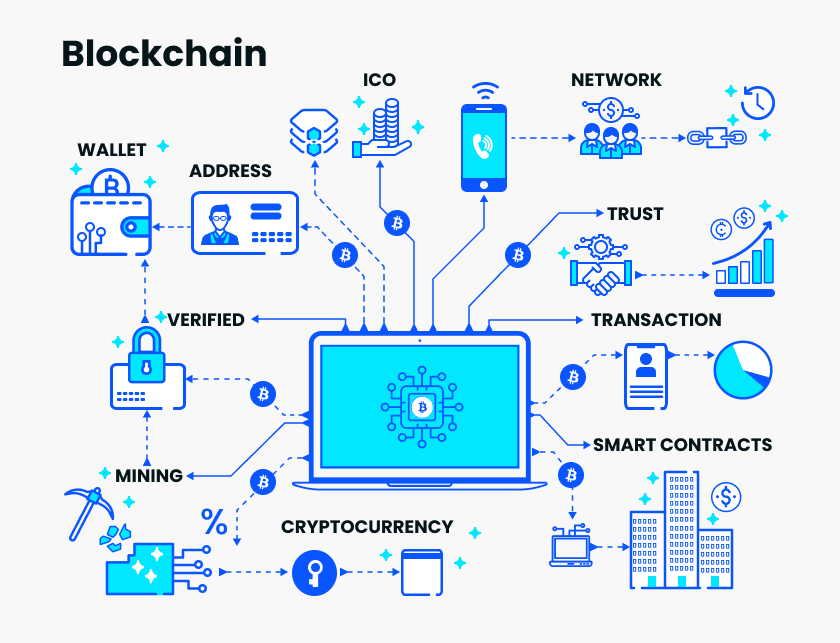
Think of blockchain as a shared diary everyone can see. Every time you add a new entry (a transaction), everyone must agree, and once it’s written, it can’t be erased. That’s the core magic of blockchain!
How Does Blockchain Work?
Blockchain operates through a combination of cryptography, consensus mechanisms, and a distributed network. Here’s a simple breakdown of the process:
1. Recording Transactions
When someone makes a transaction—like sending Bitcoin—it’s grouped with other transactions into a “block.” This block contains details like the sender, receiver, and amount.
2. Verification by Nodes
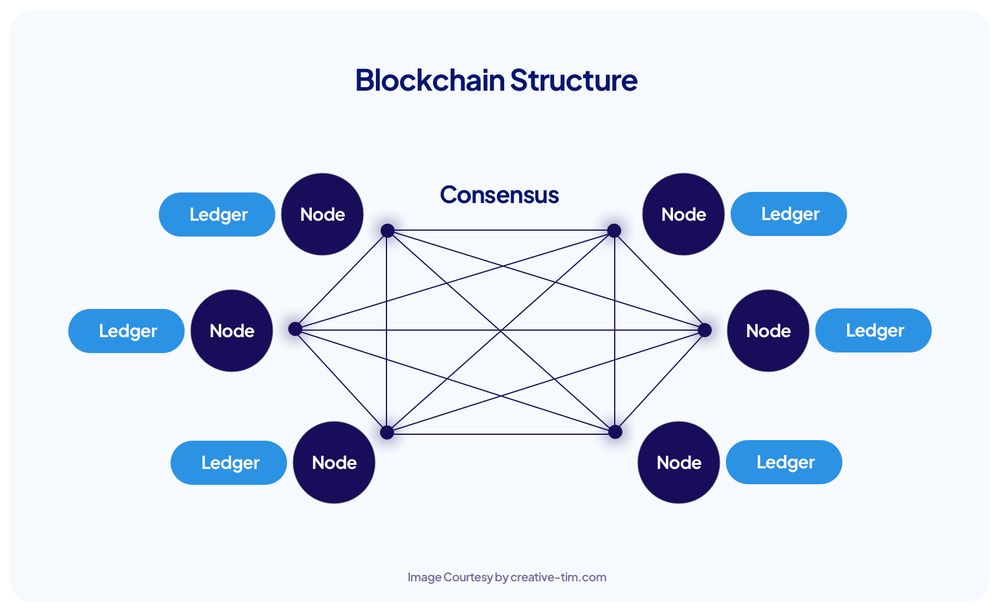
The block is sent to a network of computers (nodes) that verify the transaction’s validity using complex algorithms. This ensures no one is cheating, like spending money they don’t have.
3. Adding to the Chain
Once verified, the block is added to the blockchain, linked to the previous block with a unique code called a “hash.” This creates a secure, chronological chain of records.
4. Decentralized Storage
The updated blockchain is copied to every node in the network, so everyone has the same version of the ledger. This makes it nearly impossible to hack or alter.
Key Features of Blockchain
Blockchain’s unique features make it powerful and appealing. Here are the main ones:
- Decentralization: No single authority controls the blockchain, reducing reliance on banks or governments.
- Security: Cryptography and tamper-proof blocks protect data from unauthorized changes.
- Transparency: All transactions are public and verifiable, building trust.
- Immutability: Once data is added, it can’t be changed, ensuring a permanent record.

Real-World Applications of Blockchain
Blockchain isn’t just for cryptocurrencies—it’s changing many industries. Here are some exciting applications:
1. Finance and Payments
Beyond Bitcoin, blockchain enables fast, low-cost international payments. Companies like Ripple use it to process cross-border transfers in seconds, compared to days with traditional banks.
2. Supply Chain Management
Blockchain tracks products from factory to store, ensuring authenticity. For example, Walmart uses blockchain to trace food origins, improving safety and transparency.
3. Healthcare
Blockchain secures medical records, allowing patients to control who accesses their data. It also prevents counterfeit drugs by tracking medicines from production to pharmacies.
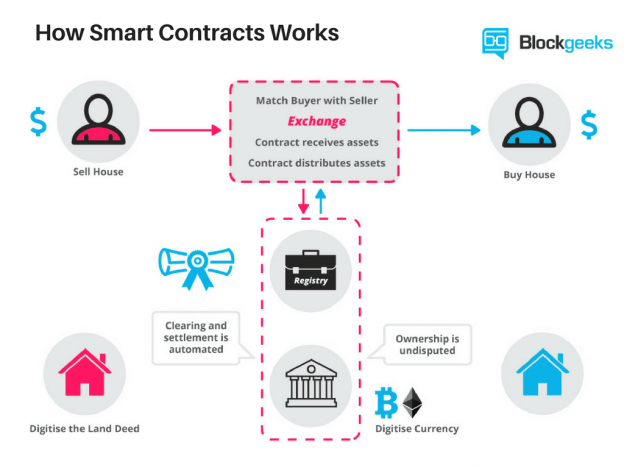
4. Smart Contracts
Platforms like Ethereum use blockchain for “smart contracts”—self-executing agreements that automatically enforce terms. For example, a smart contract could release payment only when a delivery is confirmed.
5. Voting Systems
Blockchain can create secure, transparent voting systems, reducing fraud. Pilot projects in countries like Estonia are exploring blockchain-based e-voting.
Benefits and Challenges of Blockchain
Before diving deeper, let’s weigh blockchain’s pros and cons:
| Benefits | Challenges |
|---|---|
| Enhanced security and trust | High energy consumption (e.g., Bitcoin mining) |
| Reduced costs for intermediaries | Scalability issues for large networks |
| Transparency and traceability | Regulatory uncertainty |
How to Get Started with Blockchain?
Curious about exploring blockchain? Here are simple steps for beginners:
- Learn the Basics: Start with free resources like YouTube tutorials or online courses on Coursera.
- Explore Cryptocurrencies: Buy a small amount of Bitcoin or Ethereum on exchanges like Coinbase to understand transactions.
- Try Blockchain Tools: Experiment with wallets (e.g., MetaMask) or test smart contracts on Ethereum’s test network.
- Join Communities: Engage in forums like Reddit’s r/Blockchain to learn from others.

Conclusion
Blockchain is more than a buzzword—it’s a revolutionary technology reshaping how we handle data, trust, and transactions. From securing financial payments to tracking food supplies, its applications are vast and growing. This guide has given you a clear starting point, and now it’s your turn to explore! Try setting up a wallet, joining a community, or reading more on our blog.
Have questions or ideas? Drop them in the comments below—we’d love to hear from you!
Related Articles

Written by Guru Tony
Guru Tony is a cryptocurrency analyst and educator with over seven years of hands-on experience in blockchain technology, DeFi, yield strategies and crypto tax. He builds the free calculators on this site and tests every strategy he writes about with his own capital. Read more about our editorial approach.