

2026 Update: What’s Changed?
Since this guide was originally published, the cryptocurrency market has reached new milestones. Bitcoin surged to new all-time highs above $110,000 in early 2026, while Ethereum’s staking ecosystem continued to grow following successful network upgrades. The total crypto market capitalization now exceeds $5 trillion, reflecting sustained institutional adoption and mainstream acceptance. Spot Bitcoin and Ethereum ETFs have brought traditional investors into the space, while real-time payment systems like FedNow (US) and SEPA Instant (EU) have made buying and selling crypto faster and cheaper than ever before.
Regulatory clarity has also improved significantly. The European Union’s MiCA regulation is now fully in effect, providing a comprehensive legal framework for crypto exchanges, wallet providers, and stablecoin issuers across all 27 member states. In the United States, bipartisan crypto legislation passed in late 2025 clarified the classification of digital assets, distinguishing between securities and commodities. These developments have reduced legal uncertainty, improved consumer protections, and paved the way for broader adoption. As always, staying informed and practicing good security habits remains essential for anyone navigating the crypto space in 2026.
Imagine a digital ledger that’s shared across thousands of computers, secure, transparent, and impossible to tamper with. That’s the essence of blockchain technology. Whether you’ve heard about Bitcoin or NFTs, blockchain is the backbone powering these innovations. This guide breaks down blockchain in simple terms, so even if you’re new to tech, you’ll walk away with a clear understanding.
What is Blockchain, Exactly?
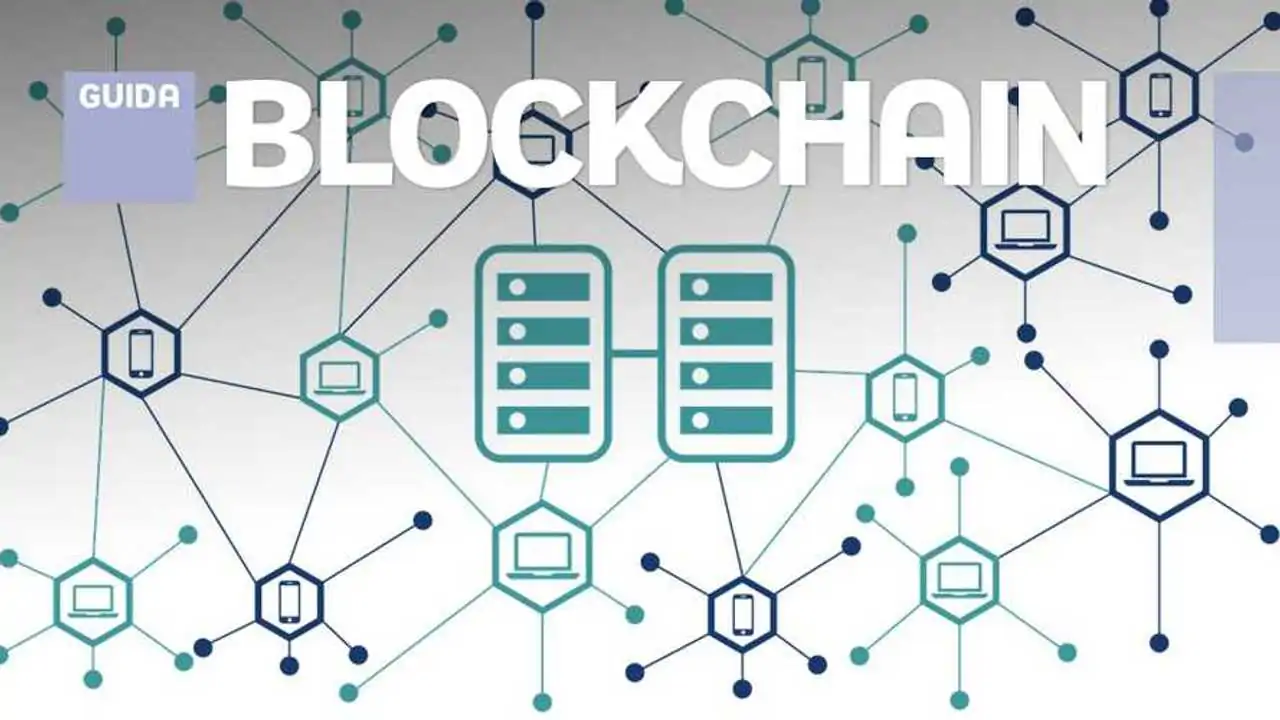
A blockchain is like a digital notebook that records transactions or data in a way that’s secure and unchangeable. Think of it as a chain of blocks, where each block holds a list of records. These blocks are linked together using cryptography, ensuring no one can alter them without everyone noticing.
Unlike a traditional bank or company database, blockchain isn’t stored in one place. It’s decentralized, meaning copies of the blockchain exist on many computers (called nodes) worldwide. This makes it incredibly secure and transparent.

How Does Blockchain Work?
Let’s break it down step by step:
Step 1: A Transaction is Created
Someone initiates a transaction, like sending Bitcoin or recording a contract. This transaction is broadcast to a network of computers.
Step 2: The Network Verifies It
Computers in the network (nodes) check if the transaction is valid. For example, they confirm the sender has enough funds. This process often uses complex math and algorithms.
Step 3: The Transaction is Added to a Block
Once verified, the transaction is grouped with others into a block. Each block has a unique code called a “hash” that links it to the previous block, forming a chain.
Step 4: The Block is Added to the Blockchain
The new block is added to the blockchain, and every computer in the network updates its copy. Once added, the block is permanent and can’t be changed.

Why is Blockchain So Secure?
Blockchain’s security comes from three key features:
- Cryptography: Each block’s hash is like a digital fingerprint. If someone tries to change a block, the hash won’t match, alerting the network.
- Decentralization: With thousands of computers holding copies, hacking one won’t affect the others.
- Consensus: Transactions must be approved by the network, making fraud nearly impossible.
This makes blockchain ideal for sensitive tasks like financial transactions or tracking supply chains.
Real-World Uses of Blockchain
Blockchain isn’t just for cryptocurrencies like Bitcoin or Ethereum. It’s transforming industries in exciting ways:
Cryptocurrency
Bitcoin and other digital currencies use blockchain to record transactions securely without banks. It’s like digital cash that’s globally accessible.
Supply Chain Management
Companies like Walmart use blockchain to track products from farm to store. This ensures food safety and reduces fraud.

Smart Contracts
Smart contracts are self-executing agreements stored on the blockchain. For example, a contract could automatically pay a freelancer once their work is approved, cutting out middlemen.
Healthcare
Blockchain can securely store medical records, giving patients control over their data while ensuring privacy.
Benefits and Challenges of Blockchain
Benefits
- Transparency: Anyone can view public blockchains, building trust.
- Security: Tampering is nearly impossible.
- Efficiency: Removes intermediaries, speeding up processes.
Challenges
- Complexity: Blockchain can be hard to understand and implement.
- Energy Use: Some blockchains, like Bitcoin’s, consume significant electricity.
- Regulation: Governments are still figuring out how to regulate blockchain tech.
Why Should You Care About Blockchain?
Blockchain is more than a tech buzzword—it’s reshaping how we trust and share information. From buying coffee with cryptocurrency to ensuring the medicine you take is safe, blockchain is becoming part of everyday life. By understanding it now, you’re ahead of the curve in a world that’s increasingly digital.
Conclusion
Blockchain may sound complex, but at its core, it’s a tool for trust and security in the digital age. Whether you’re curious about crypto or want to explore new tech trends, blockchain is worth learning about. Start small—read more, experiment with a crypto wallet, or explore blockchain-based apps. The future is decentralized, and you can be part of it.
Related reading: blockchain architecture explained.
Related reading: what is cryptocurrency.
Related reading: code your first blockchain.
Related Articles

Written by Guru Tony
Guru Tony is a cryptocurrency analyst and educator with over seven years of hands-on experience in blockchain technology, DeFi, yield strategies and crypto tax. He builds the free calculators on this site and tests every strategy he writes about with his own capital. Read more about our editorial approach.