

2026 Update: What’s Changed?
💡 Buy Bitcoin as digital gold on Binance — the safest, most liquid exchange. Code: CPA_00DF3S8AFA.
Since this guide was originally published, the cryptocurrency market has reached new milestones. Bitcoin surged to new all-time highs above $110,000 in early 2026, while Ethereum’s staking ecosystem continued to grow following successful network upgrades. The total crypto market capitalization now exceeds $5 trillion, reflecting sustained institutional adoption and mainstream acceptance. Spot Bitcoin and Ethereum ETFs have brought traditional investors into the space, while real-time payment systems like FedNow (US) and SEPA Instant (EU) have made buying and selling crypto faster and cheaper than ever before.
Regulatory clarity has also improved significantly. The European Union’s MiCA regulation is now fully in effect, providing a comprehensive legal framework for crypto exchanges, wallet providers, and stablecoin issuers across all 27 member states. In the United States, bipartisan crypto legislation passed in late 2025 clarified the classification of digital assets, distinguishing between securities and commodities. These developments have reduced legal uncertainty, improved consumer protections, and paved the way for broader adoption. As always, staying informed and practicing good security habits remains essential for anyone navigating the crypto space in 2026.
You’ve probably heard Bitcoin being called digital gold, but what does that mean? If you’re new to cryptocurrency, this guide will explain why Bitcoin earns this nickname, what it is, and why it’s a big deal—all in simple terms. By the end, you’ll understand Bitcoin’s value and its place in the modern world. Let’s dive in!
What is Bitcoin?
Bitcoin is a digital currency that lets you send and receive money online without banks or middlemen. Created in 2009 by an anonymous person (or group) named Satoshi Nakamoto, it operates on a technology called blockchain, a secure, public ledger that records every transaction. Unlike dollars or euros, Bitcoin exists only digitally and is stored in a digital wallet on your phone or computer.
Think of Bitcoin as cash for the internet—fast, global, and not controlled by any government or company.

Why is Bitcoin Called Digital Gold?
Bitcoin is often compared to gold because it shares some key traits with the precious metal. Here’s why the “digital gold” label fits:
1. Limited Supply: A Rare Asset
Just like gold, Bitcoin is scarce. There will only ever be 21 million Bitcoins, and no more can be created. This fixed supply makes Bitcoin valuable, as demand can drive its price up, similar to how limited gold reserves increase gold’s worth.
2. Store of Value: Holding Wealth
Gold has been used for centuries to store wealth because it holds its value over time. Many see Bitcoin as a modern version—a way to protect money from inflation or economic uncertainty. Unlike paper money, which governments can print endlessly, Bitcoin’s fixed supply makes it a hedge against devaluation.

3. Mining: Digging for Treasure
Bitcoin is “mined” using powerful computers to solve complex math problems, much like mining gold from the earth. This process, called mining, rewards miners with new Bitcoin, but it gets harder over time, mirroring the effort needed to extract gold.
4. Decentralized and Trustworthy
Gold’s value doesn’t depend on any government or bank, and neither does Bitcoin’s. Its decentralized network of computers ensures no single entity controls it, making it a trusted asset for those wary of centralized systems.
How Does Bitcoin Work?
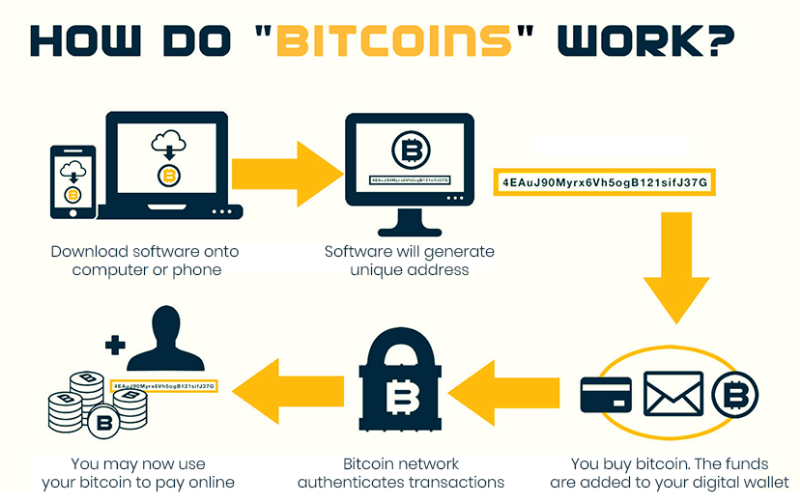
Bitcoin’s “digital gold” status is powered by its technology. Here’s a quick look at how it works:
- Blockchain: A tamper-proof ledger records all Bitcoin transactions, shared across thousands of computers worldwide.
- Miners: They verify transactions and earn Bitcoin rewards, keeping the network secure.
- Digital Wallets: You store Bitcoin in a wallet with a public key (for receiving) and a private key (for spending). Keep the private key safe!
Why Does Bitcoin Matter?
Bitcoin’s “digital gold” nickname highlights its importance in today’s world. Here’s why it’s worth your attention:
- Financial Freedom: Bitcoin lets you control your money without banks, especially useful in countries with unstable currencies.
- Global Access: Send Bitcoin anywhere in minutes, with low fees compared to traditional transfers.
- Investment Potential: Many view Bitcoin as a long-term investment, like gold, due to its scarcity and growing adoption.
- Innovation: Bitcoin’s blockchain is inspiring new technologies, from decentralized apps to digital art (NFTs).

How Can You Get Bitcoin?
Curious about owning some “digital gold”? Here’s how to start:
- Buy Bitcoin: Use a cryptocurrency exchange like Coinbase, Binance, or Kraken to purchase Bitcoin with regular money.
- Earn Bitcoin: Some businesses or freelancers accept Bitcoin as payment.
- Mine Bitcoin: Mining is complex and costly, so it’s not ideal for beginners, but it’s an option with the right equipment.
Is Bitcoin Safe?
Bitcoin’s technology is secure, but there are risks to understand:
- Price Volatility: Bitcoin’s value can swing dramatically. Only invest what you can afford to lose.
- Wallet Security: Protect your private key. If it’s lost or stolen, your Bitcoin is gone.
- Scams: Beware of fake exchanges or “get-rich-quick” schemes. Stick to trusted platforms.
What’s Next for Bitcoin?
Bitcoin’s journey as “digital gold” is far from over. Companies like Tesla and Square have invested in it, and countries like El Salvador use it as legal tender. However, challenges like energy-intensive mining and potential regulations could shape its future. Still, Bitcoin’s scarcity and growing acceptance keep it a hot topic in finance and tech.
Conclusion
Bitcoin is called “digital gold” because it’s scarce, valuable, and trusted, much like the precious metal. Whether you’re interested in investing, exploring blockchain, or just curious about the hype, Bitcoin is a fascinating part of our digital age. Start small, stay cautious, and enjoy learning about this modern treasure!
Got questions about Bitcoin? Drop them in the comments, and let’s keep the conversation going!
Related reading: Morgan Stanley’s $83 million Bitcoin portfolio.
Related reading: turning $100 into $100,000 with Bitcoin.
Related Articles
Store Your Digital Gold on Binance
Binance offers secure Bitcoin storage, Auto-Invest, and competitive fees. Start today with code CPA_00DF3S8AFA.
Disclaimer: This post contains affiliate links. We may earn a commission if you sign up through our link, at no extra cost to you.

Written by Guru Tony
Guru Tony is a cryptocurrency analyst and educator with over seven years of hands-on experience in blockchain technology, DeFi, yield strategies and crypto tax. He builds the free calculators on this site and tests every strategy he writes about with his own capital. Read more about our editorial approach.