

Tired of wondering whether the house always wins because someone behind the scenes is pulling strings? Many players have walked away from live dealer games feeling suspicious about shuffled cards, spun wheels, or sudden “bad luck.” Now, blockchain technology is stepping in to change that. By creating an open, unchangeable record of every action, blockchain brings real transparency and security to dealer-based casino games, giving everyday players the power to verify fairness themselves.
This shift isn’t just tech hype—it’s a practical solution that rebuilds trust in an industry long clouded by doubt. For regular people who enjoy a friendly game of blackjack or roulette from home, it means less worry and more genuine fun.
Why Traditional Dealer Games Raise Trust Issues
Live dealer games let you watch a real person dealing cards or spinning a wheel through a video stream. It feels more authentic than computer-generated results, yet questions often linger. How do you know the deck wasn’t stacked? Was the random number generator truly random? In many traditional setups, players must trust the casino’s word, third-party auditors, or closed systems that operate behind closed doors.
These concerns aren’t new. Stories of manipulated outcomes or hidden house advantages have made some players hesitant. Without a clear way to double-check results, doubt can spoil the experience.
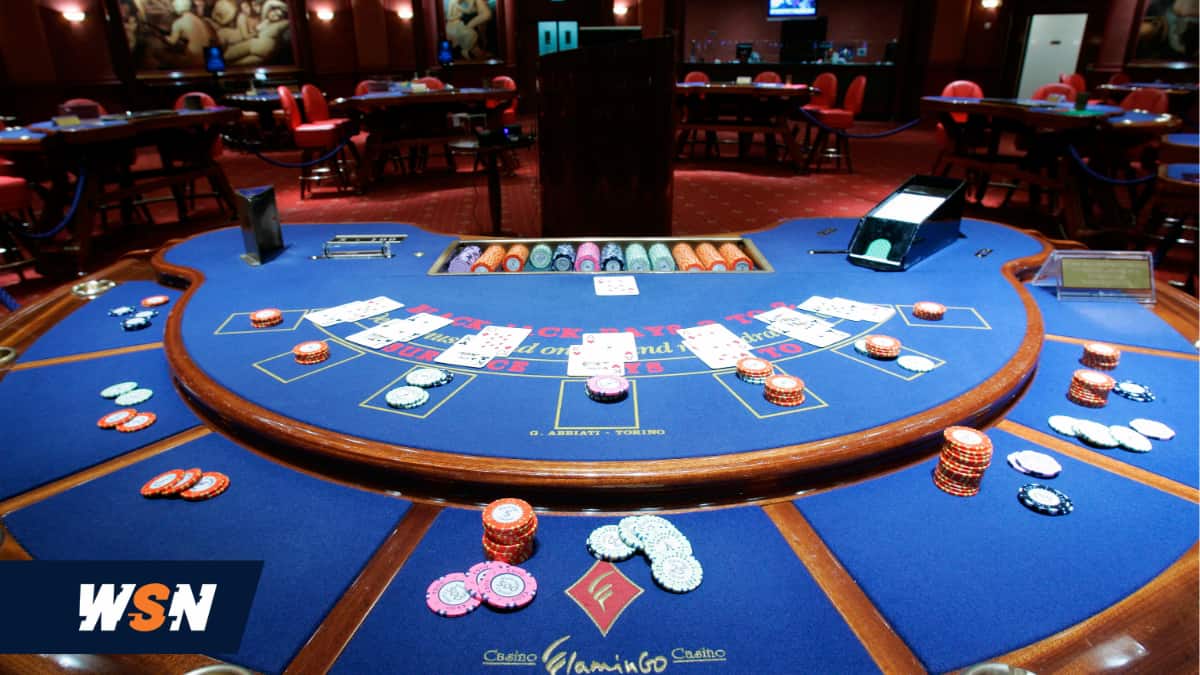
Live Dealer Casino Games: Innovation & Future Trends
Image suggestion: Classic live dealer casino table with cards and chips. (Alt text: Live dealer blackjack table in a professional casino setting)
How Blockchain Creates True Transparency in Dealer Games
Blockchain works like a digital notebook that everyone can see but no one can secretly erase or change. Every bet, every card dealt, every spin, and every payout gets recorded on this shared, permanent ledger.
In blockchain-powered platforms, game actions become traceable and immutable. Players can later review the exact sequence of events using simple tools. This removes the “black box” problem where outcomes happen in secret.
Unlike old systems that rely on a casino’s internal software, blockchain spreads the information across a network. Tampering with one record would require changing thousands of copies at once—an almost impossible task.
This level of openness means dealer security is no longer based on blind faith but on verifiable facts anyone can check.
Provably Fair Systems: Letting Players Verify Results Themselves
One of the most exciting features is provably fair technology. Here’s how it works in simple terms:
- Before a game starts, the system creates a secret “seed” or code.
- After the round ends, the platform reveals the seed along with the results.
- Players use free online tools to combine their own input with the seed and check if the outcome matches what was shown.
If the math lines up, the result was fair. No trust needed—just basic verification anyone can do.
This cryptographic method turns every hand of blackjack, roulette spin, or baccarat deal into something provable. Studies and industry reports highlight how provably fair systems reduce disputes and build player confidence by allowing independent checks.
How does provably fair work? ᐈ Fully explained on Provably.com
Image suggestion: Colorful illustration of cards, dice, and coins representing provably fair gaming. (Alt text: Provably fair blockchain gaming concept with playing cards and dice)
Smart Contracts and Secure Dealer Operations
Smart contracts are self-running computer programs stored on the blockchain. They automatically enforce game rules: dealing cards only when bets are placed, calculating wins correctly, and releasing payouts instantly without human interference.
For live dealer setups, blockchain can record the dealer’s actions (such as card reveals or wheel spins) alongside the video feed. The immutable record links the visible action to the official outcome, making it much harder for anyone—including dealers or operators—to alter results after the fact.
This setup strengthens dealer security by creating an audit trail that protects both players and honest operators. Disputes can be resolved quickly by simply looking at the public ledger.

Provably-Fair Jackpots
Image suggestion: Simple flowchart diagram explaining provably fair verification steps. (Alt text: Blockchain provably fair process diagram showing seed values, hashing, and verification)
Enhanced Security Benefits for Players and Platforms
Beyond fairness, blockchain improves overall security. Player funds and personal data are protected through decentralized storage and strong encryption. Transactions happen faster and with lower fees in many cases, while the public ledger helps prevent fraud like double-spending or fake wins.
For casinos, this technology reduces the risk of costly disputes and regulatory headaches. Transparent records make compliance easier and demonstrate a commitment to honest operations.
Everyday players benefit most: less fear of hidden tricks, quicker withdrawals, and the peace of mind that comes from knowing the game isn’t rigged.

Blockchain Security 101 Key Features, Importance & Best Practices
Image suggestion: Visual of blockchain security lock protecting digital assets. (Alt text: Secure blockchain protection shield for online transactions and gaming)
What the Future Holds for Transparent Gaming
As more platforms adopt blockchain for live dealer games, the industry is moving toward a standard where transparency is the default, not an option. Players will expect the ability to verify every round, and operators who embrace this will stand out as trustworthy.
This doesn’t mean every casino will change overnight, but the trend is clear: technology is making it harder to hide unfair practices and easier for honest play to shine.
Whether you’re a casual weekend player or someone who enjoys live streams of roulette, blockchain offers a refreshing change—no more rigged games, just open and secure entertainment.


