Picture this: one of DeFi’s biggest lending giants faces a serious setback after a major exploit, and suddenly a rival blockchain steps in—not with criticism, but with real support and a long-term partnership offer. That’s exactly what happened this week between Aave and Solana.
On April 25, 2026, Solana Foundation Chair Lily Liu announced that the foundation was lending USDT from its treasury to help Aave recover from the recent Kelp DAO rsETH incident. Even more exciting, the AAVE governance token went natively live on Solana over the weekend. This shift from competition to collaboration signals a maturing DeFi landscape where ecosystems support each other for the greater good.

Solana Deploys USDT to Aave in DeFi Rescue, Brings AAVE On-Chain This Weekend
For everyday crypto users, this means easier access to Aave’s powerful lending tools on one of the fastest and cheapest networks around.
What Actually Happened: The Rescue Effort
Aave, the leading decentralized lending protocol, recently dealt with the fallout from a significant exploit involving rsETH on multiple chains, including a roughly $293 million impact in related positions. In response, several protocols and foundations rallied under a “DeFi United” initiative to provide liquidity support.
The Solana Foundation made its first-ever direct deposit of USDT into Aave. This move injected much-needed stability during a tough recovery period. At the same time, the foundation revealed plans to bring the native AAVE token to Solana, turning a short-term rescue into a strategic integration.

Solana Foundation’s Lily Liu urges focus on finance as crypto prices slide
Lily Liu emphasized that healthy DeFi benefits every chain: “For Solana to be healthy, all of DeFi has to be healthy.” This sentiment reflects a broader mindset shift in crypto—from zero-sum competition to collaborative growth.
Why Native AAVE on Solana Matters
Until now, interacting with AAVE on Solana often meant using wrapped versions or bridges, which added extra steps, fees, and risks. Now, with native AAVE deployed directly on Solana, users can:
- Hold and trade the real AAVE token without wrappers
- Use it seamlessly as collateral in Aave markets (once V3 deploys fully)
- Participate in governance votes with lower transaction costs
- Benefit from Solana’s high speed and sub-penny fees
This native integration mirrors recent moves like bringing other major assets directly onto Solana, reducing friction and improving user experience for millions of traders and lenders.

AAVE lands on Solana as the Solana Foundation bets on a DeFi United strategy – Startup Fortune
Industry observers see this as a milestone for cross-chain cooperation, potentially attracting more liquidity and developers to both ecosystems.
How It Works for Regular Users
If you’re new to DeFi or just getting started on Solana, here’s what the integration simplifies:
- Easier Access — Connect your Solana wallet (like Phantom or Solflare) and interact with AAVE assets directly.
- Lending & Borrowing — Supply assets to earn yield or borrow against collateral, all at Solana’s lightning-fast speeds.
- Governance Participation — Stake or use native AAVE to vote on protocol changes without bridging headaches.
- Trading Opportunities — Spot and trade AAVE alongside popular Solana tokens on DEXs with real-time execution.
The combination of Aave’s battle-tested risk management and Solana’s performance could make decentralized lending more approachable for beginners while offering advanced users better tools.
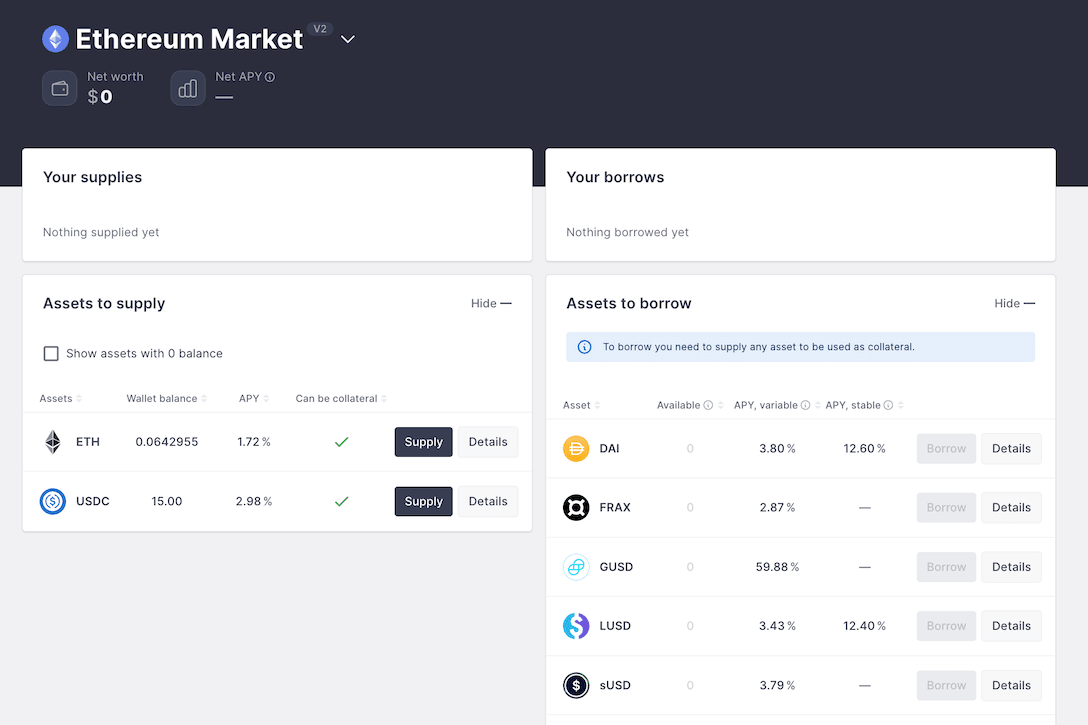
What is Aave: Crypto Lending and Borrowing from a Web3 Bank
Think of it like upgrading from a slow country road to a high-speed highway—same destination, but much smoother ride.
Benefits for the Broader DeFi Ecosystem
This integration goes beyond one token. It strengthens the idea that DeFi thrives when chains work together:
- More Liquidity — Solana users gain direct exposure to Aave’s deep markets.
- Innovation Boost — Developers can build new products combining Aave’s lending primitives with Solana’s ecosystem (meme coins, NFTs, real-world assets).
- Reduced Risk — Native assets often mean fewer bridge exploits and better security assumptions.
- Community Unity — Aave’s founder Stani Kulechov publicly thanked the Solana team, highlighting gratitude across ecosystems.
Reports from sources like Crypto Briefing and industry analysts note that such collaborations help stabilize protocols during volatility and encourage long-term infrastructure building.
Aave
For Solana, it adds another blue-chip DeFi player. For Aave, it expands its reach to one of the most active retail and developer communities in crypto.
What Comes Next?
With AAVE now native on Solana, the next logical step is the full rollout of Aave V3 on the network, which governance has already approved. This would bring isolated risk pools, improved capital efficiency, and more asset options tailored to Solana’s strengths.
Users should keep an eye on official Aave and Solana channels for exact deployment timelines, supported assets, and any incentive programs. As always, do your own research—while the integration looks promising, DeFi still carries risks like smart contract vulnerabilities and market volatility.
A New Chapter for Open Finance
The journey from rescue to native integration shows how quickly crypto evolves. What started as support during a difficult moment has become a foundation for deeper collaboration between two major players.
Whether you’re a Solana enthusiast looking for proven lending options or an Aave user tired of high fees, this development opens exciting doors. Native AAVE on Solana makes decentralized finance feel a little more connected, efficient, and user-friendly for everyone.
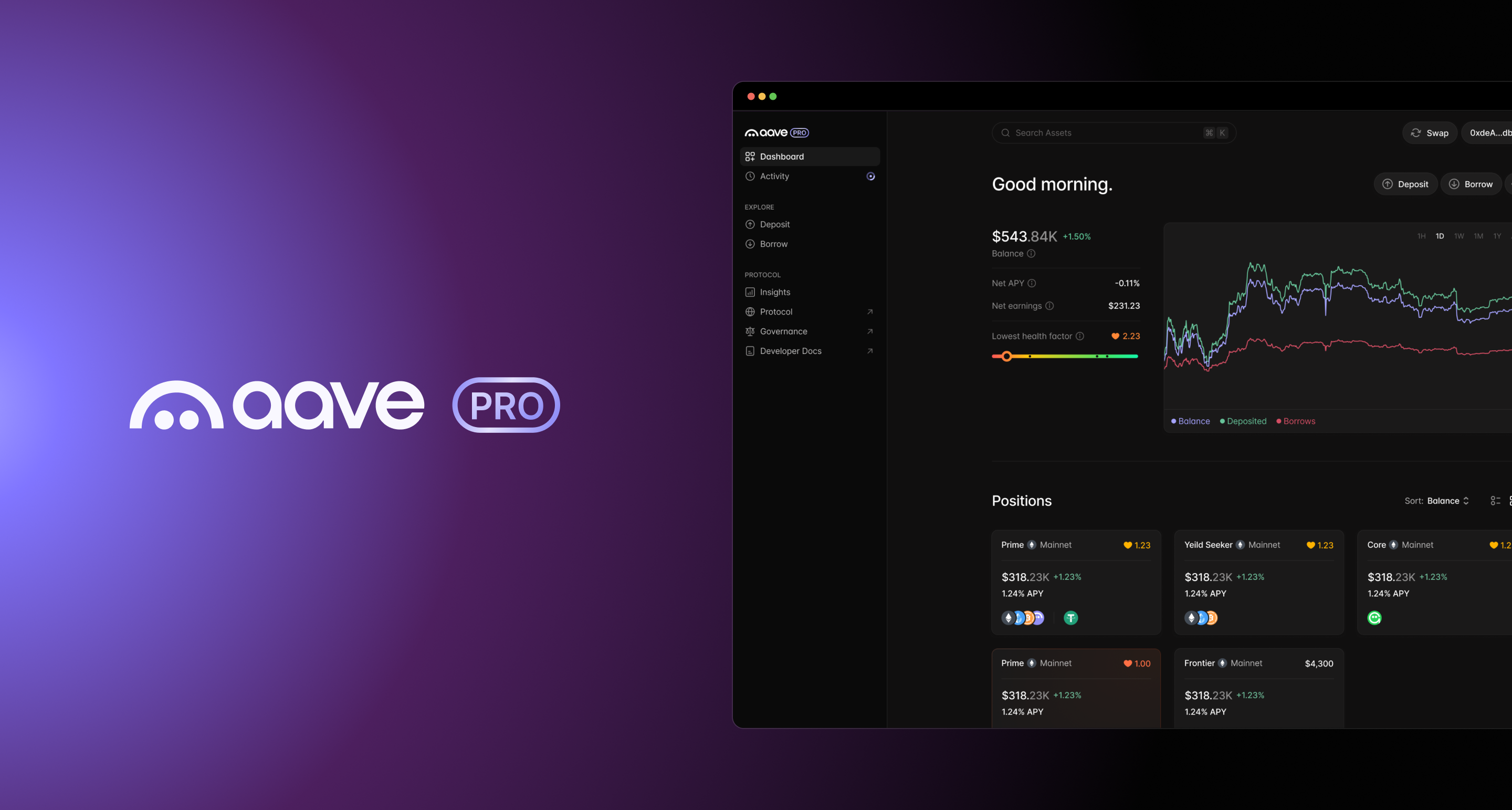
Aave Pro User Guide | Aave
Stay tuned as the DeFi landscape continues to mature—one chain at a time.
This article is for informational purposes only and is not financial advice. Cryptocurrency markets are volatile and involve risk of loss.