

Cryptocurrency theft hit $3.8 billion in 2025, according to Chainalysis, and the numbers keep climbing. In 2026, with institutional adoption at record highs and more retail users entering the space than ever before, crypto security has become a non-negotiable skill. The good news? Most hacks and scams are entirely preventable if you follow the right protocols.
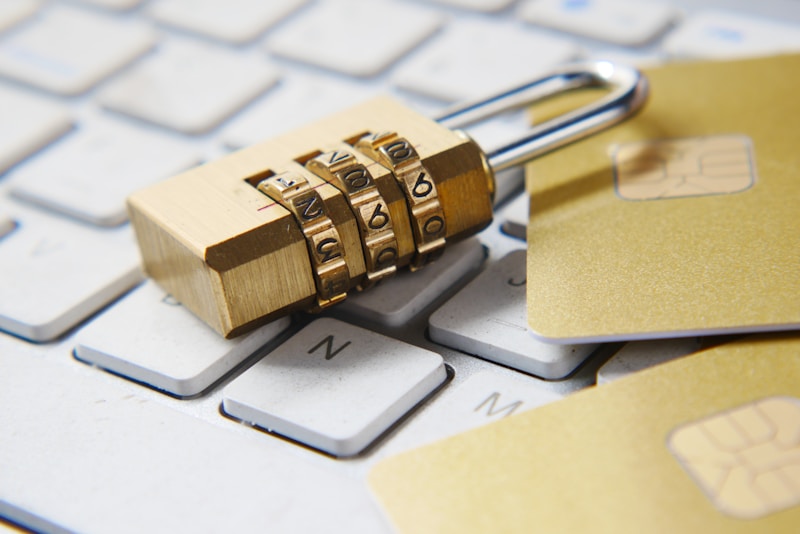
Why Crypto Security Matters More in 2026
As of early 2026, the total crypto market capitalization sits at approximately $3.5 trillion. With more value stored in digital assets than ever, the incentive for bad actors has never been higher. According to the FBI’s 2025 Internet Crime Report, crypto-related scams accounted for over 45% of all financial fraud losses, totaling more than $5.6 billion across the United States alone.
The Crypto Fear & Greed Index shows us that market sentiment is cyclical — and scammers know this. They strike hardest when fear is high (FOMO on “sure things”) and when greed peaks (too-good-to-be-true promises). Understanding the security landscape is your first line of defense.
The Three Pillars of Crypto Security
1. Wallet Security: Hot vs Cold Storage
Hot wallets (MetaMask, Trust Wallet, Phantom) are connected to the internet — convenient for daily transactions but vulnerable to hacks. Only keep what you need for the next 30 days in a hot wallet. Cold wallets (Ledger, Trezor, Keystone) store your private keys offline. They are virtually unhackable if you buy directly from the manufacturer.
According to Ledger’s 2025 Security Report, users who store over 80% of their assets in cold storage have a 99.7% lower chance of being successfully hacked compared to those who keep everything in hot wallets.
2. Seed Phrase Management
Your seed phrase (12 or 24 words) is the master key to your crypto. If someone gets it, they get everything. The golden rule: never enter your seed phrase into any website, app, or browser extension — no matter how legitimate it looks. The most common wallet-draining scam in 2026 involves fake websites that look identical to real DeFi platforms.
- Write your seed phrase on paper or steel (Cryptosteel, Billfodl) — never store it digitally
- Store it in a fireproof safe or safety deposit box
- Never share it with anyone, including “support staff”
- Consider a multi-signature setup for large holdings
3. Exchange Security
Not your keys, not your coins. Exchanges are custodial — they hold your private keys. While Binance and Coinbase have robust security, history shows that even the biggest exchanges can fail (FTX, Mt. Gox, Celsius). Never store more than you can afford to lose on any exchange.
Our Exchange Fee Comparator helps you find the most cost-effective platform for trading, but remember: low fees mean nothing if the exchange gets hacked. Prioritize platforms with proof-of-reserves audits and insurance funds.
Common Crypto Scams in 2026 (And How to Avoid Them)
Scammers constantly evolve their tactics. Here are the most prevalent threats in 2026:
AI-Enhanced Phishing
Scammers now use AI to generate convincing fake emails, messages, and even video calls that look exactly like legitimate crypto companies. A 2025 study by the Anti-Phishing Working Group found that AI-generated phishing attacks increased by 1,265% compared to 2023. Always verify URLs independently — do not click links from emails or DMs.
Fake Airdrops and Token Giveaways
“Claim your free $1000 in ETH!” — any message like this is a scam. Legitimate airdrops never ask you to connect your wallet to an unknown dApp or pay gas fees to claim. If you connect your wallet to a scam site, malicious smart contracts can drain all your tokens in a single transaction.
Rug Pulls in DeFi and Meme Coins
In 2025 alone, rug pulls accounted for $2.1 billion in losses, according to Rekt News. Common red flags: anonymous team members, locked liquidity that turns out to be unlockable, and “guaranteed returns.” Use our Airdrop & Token Checker to verify token contracts before interacting with new projects.
SIM Swap Attacks
Hackers convince your mobile carrier to transfer your phone number to their SIM card, then use SMS-based 2FA to access your accounts. Use authenticator apps (Google Authenticator, Authy) or hardware security keys (YubiKey) instead of SMS for 2FA. Binance and Coinbase both support FIDO2 hardware keys — enable this if available.
Your 10-Step Crypto Security Checklist
- Use a hardware wallet for any holdings over $500 (Ledger Nano S starts at $59)
- Enable authenticator app 2FA on every crypto platform — never SMS
- Use unique, strong passwords for each platform (Bitwarden or 1Password)
- Whitelist withdrawal addresses on exchanges — no one can withdraw to an unapproved address
- Regularly revoke token approvals using Revoke.cash or Etherscan
- Never share your seed phrase — not even with “support” or “verification” bots
- Verify contract addresses before approving any DeFi transaction
- Use a dedicated browser or browser profile for crypto activities only
- Keep your software updated — wallet extensions, OS, and antivirus
- Check our Doubling Time Calculator to set realistic return expectations — if someone promises to double your money in a week, it is 100% a scam
What to Do If You Get Hacked
Despite your best efforts, hacks can happen. If your wallet is compromised:
- Immediately move remaining funds to a new wallet (create a fresh seed phrase)
- Revoke all token approvals on the compromised wallet
- Report the incident to your exchange, the FBI’s IC3 (ic3.gov), and crypto tracking firms like Chainalysis
- Document everything — transaction hashes, wallet addresses, and communication records
While the stolen funds may be gone, reporting helps law enforcement track patterns and potentially freeze stolen assets on centralized exchanges.
Frequently Asked Questions About Crypto Security
Is MetaMask safe to use?
MetaMask is safe when used correctly — never enter your seed phrase anywhere, only download from the official Chrome Web Store or metamask.io, and use it with a hardware wallet for amounts over $1,000.
Are crypto exchanges insured?
Most major exchanges carry insurance for their hot wallets, but this typically covers internal security breaches, not individual user errors. Binance has a Secure Asset Fund for Users (SAFU) worth over $1 billion, but it only covers losses from platform exploits, not phishing or compromised personal accounts.
How often should I check for vulnerabilities?
Monthly: revoke token approvals and check for suspicious activity. Quarterly: verify your seed phrase is still accessible. Yearly: consider upgrading wallet hardware and reviewing your overall security posture.
Follow and Connect
Disclaimer: This article is for educational purposes only. We do not endorse any specific wallet or exchange. Always conduct your own research before choosing crypto security solutions.
Related reading: how to spot crypto scams.
Related reading: how to avoid losing money in crypto.
Related reading: the Bithumb asset seizure case.
Related reading: public vs private keys in crypto.

Written by Guru Tony
Guru Tony is a cryptocurrency analyst and educator with over seven years of hands-on experience in blockchain technology, DeFi, yield strategies and crypto tax. He builds the free calculators on this site and tests every strategy he writes about with his own capital. Read more about our editorial approach.