
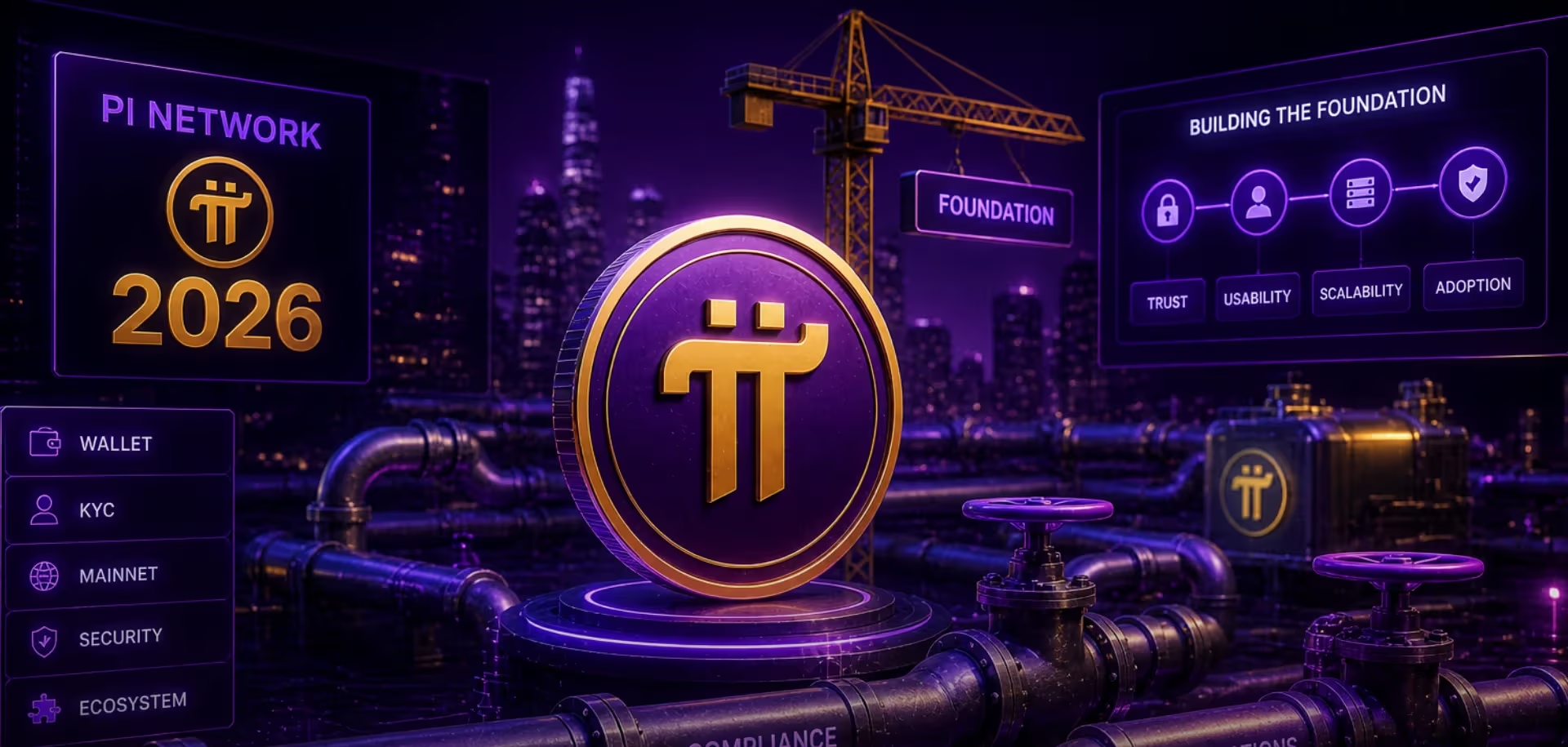
H1: Pi Network Makes Waves at Consensus 2026 with Utility Focus
In a crowded Miami convention center buzzing with blockchain leaders, developers, and investors, one project stood out not for hype, but for its steady push toward practical, everyday use. Pi Network, the mobile-first cryptocurrency with millions of users worldwide, took center stage as a sponsor at Consensus 2026. Its co-founders shared how the network is building real tools powered by blockchain, verified identities, and AI-ready features—moving beyond speculation to solve actual problems.
This wasn’t just another conference appearance. For ordinary people who have been mining Pi on their phones for years, it signaled a maturing project ready to deliver tangible value.
What Is Pi Network and Why Does Consensus 2026 Matter?
H2: Understanding Pi Network for Everyday Users
Imagine earning cryptocurrency simply by tapping a button on your smartphone once a day—no expensive equipment or complicated tech required. That’s Pi Network in a nutshell. Launched years ago, it has grown into a massive community of “Pioneers” who use the app to mine Pi tokens while the project builds its Layer 1 blockchain behind the scenes.
Unlike many cryptocurrencies focused on quick trading, Pi emphasizes utility—meaning the coin should power real apps, payments, and services that people actually want to use.
H2: Pi Network’s Big Moment at Consensus 2026
Consensus, hosted by CoinDesk, is one of the world’s largest blockchain events. In 2026, it drew over 20,000 attendees in Miami, including big investors and policymakers. Pi Network didn’t just attend—it sponsored the event and put its founders front and center.
Caption: Pi Network making its presence felt at the bustling Consensus 2026 venue in Miami.
This high-profile spot helped legitimize Pi in the broader crypto world, especially as the project prepares major upgrades.
Founders Spotlight: AI, Identity, and Real-World Utility
H2: Chengdiao Fan on Aligning Web3, AI, and Blockchain
On May 6, co-founder Dr. Chengdiao Fan took the Convergence Stage to discuss “Aligning Web3, AI, and Blockchain for Utility.” She explained how Pi combines its secure blockchain, a huge network of verified users, and smart tools to create products that work in the real world.
In simple terms: As AI gets better at creating fake accounts and content, trustworthy identity verification becomes crucial. Pi’s system, which has KYC-verified millions of real humans, offers a way to build apps where people know they’re dealing with actual users—not bots.
H3: Why This Matters to Regular People
Think about online shopping, social media, or freelance work. In an AI-filled internet, proving you’re a real person without sharing all your private data is a big deal. Pi’s approach aims to make that easier and safer.
Caption: Dr. Chengdiao Fan presenting on utility-driven blockchain solutions at Consensus 2026.
H2: Nicolas Kokkalis Tackles Human Verification in the AI Era
The next day, co-founder Dr. Nicolas Kokkalis joined a panel titled “How to Prove You’re Human in an AI World (Without Doxing Yourself).” The discussion focused on one of today’s hottest challenges: telling real humans apart from sophisticated AI fakes online.
Pi’s proof-of-personhood model, built over years with its mobile mining community, positions it uniquely to help solve this.
From Mobile Mining to Smart Contracts: The Utility Roadmap
H2: Upcoming Protocol 23 and Beyond
Timing was perfect. Just days after the conference, Pi was set to roll out Protocol 23, introducing smart contracts. This upgrade opens the door for developers to build decentralized apps (dApps), a decentralized exchange (PiDex), and more—turning Pi into a platform where tokens have real functions.
Previous upgrades improved stability and node capabilities. Future ones will expand computing power, possibly supporting AI tasks through the network.
H3: What Utility Looks Like in Practice
- Everyday Payments: Send and receive Pi for goods and services.
- Apps and Games: Build or use tools powered by Pi without high fees.
- Ecosystem Growth: Developers can launch projects knowing there’s a large, verified user base ready to participate.
This focus on utility-first development helps protect against hype-and-crash cycles common in crypto. As one analysis noted, Pi prioritizes working applications before new tokens, aiming for sustainable growth.
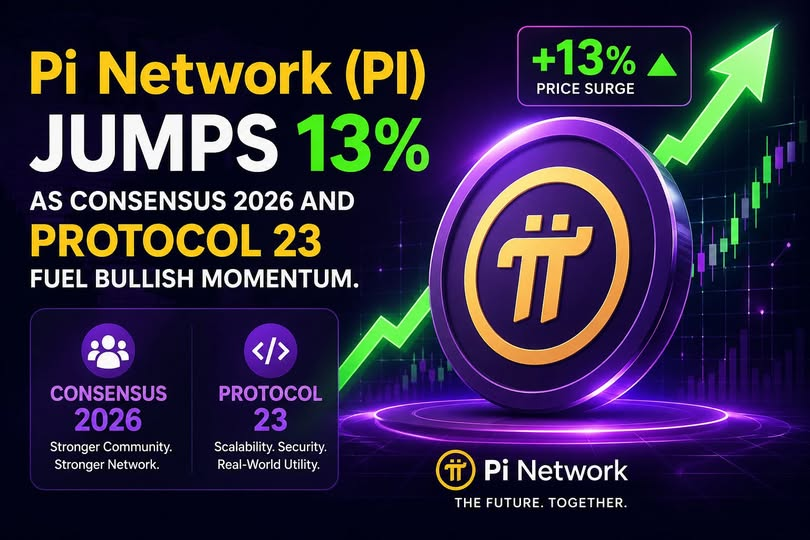
Caption: The familiar Pi app evolving toward practical everyday utilities.
Why Pi’s Approach Stands Out
H2: Standing Apart in a Crowded Crypto Space
Many projects promise the moon with fancy marketing. Pi Network has taken a slower, community-driven path. With tens of millions of engaged users worldwide, its strength lies in accessibility—anyone with a smartphone can join.
At Consensus 2026, the message was clear: Blockchain should serve people, not just traders. By addressing real issues like AI trust and building infrastructure for actual use cases, Pi is positioning itself for long-term relevance.
Looking Ahead: What This Means for Pioneers and the Crypto World
H2: The Road to Broader Adoption
The buzz at Consensus wasn’t just for insiders. For everyday Pioneers, it represents progress toward being able to use Pi in daily life—whether paying friends, supporting small businesses, or exploring new apps.
As the network rolls out more features, expect growing developer activity and real-world integrations. The combination of a massive user base, strong identity verification, and upcoming technical capabilities creates a foundation for genuine utility.
H3: Tips for Staying Informed
Keep an eye on official Pi channels for Protocol 23 updates. Engage with the community, explore testnet features if you’re a builder, and focus on the long game—utility takes time but builds lasting value.
Pi Network’s appearance at Consensus 2026 wasn’t flashy fireworks. It was a deliberate step toward a more useful, trustworthy, and inclusive crypto future. For millions around the world, that practical focus might just be what makes blockchain technology click in everyday life.


