
Picture this: years after one of crypto’s most infamous collapses, the same old names are still quietly shifting millions in tokens. No flashy announcements. No drama. Just a routine on-chain move that caught the eye of blockchain watchers everywhere. On April 13, 2026, Alameda Research unstaked roughly 198,425 SOL—worth about $16 million at current prices—and sent it straight to a wallet tied to FTX creditor payouts.
It’s not the first time. A similar $17 million transfer happened just a month earlier. For regular folks following crypto news, this raises a simple question: why is a bankrupt firm still unstaking and moving SOL now, and what does it actually mean for the market and the people still waiting to get their money back?
Solana (SOL) – Cryptocurrencies | IQ.wiki
What Exactly Happened in This Latest Transfer
According to on-chain tracking from Arkham Intelligence, Alameda pulled 198,425 SOL out of staking and funneled it directly to an FTX-linked distribution address. This isn’t random wallet shuffling—it’s part of a court-supervised process to repay creditors after the 2022 FTX-Alameda meltdown.
The move mirrors patterns from recent months: small, steady batches rather than one massive dump. At today’s SOL price (hovering near $80–$82), $16 million is noticeable but not market-shaking. It shows the bankruptcy estate is methodically converting staked assets into cash equivalents for distribution.
Background: From FTX Glory Days to Billion-Dollar Bankruptcy
Most people remember the headlines. In November 2022, FTX—the once-mighty crypto exchange founded by Sam Bankman-Fried—imploded, dragging its sister trading firm Alameda Research down with it. Billions in customer funds vanished amid allegations of misuse, leading to one of the largest fraud cases in crypto history.
Fast-forward to 2026, and the story has shifted from scandal to slow-motion resolution. A New York court approved a $12.7 billion repayment plan for FTX and Alameda creditors. So far, about $7.6 billion has been returned, leaving roughly $5.1 billion still owed.
Alameda, once known for aggressive trading, now holds significant SOL—around 3.57 million tokens valued at over $293 million. These assets aren’t sitting idle; they’re being gradually liquidated to honor debts without crashing prices.
Exclusive: At least $1 billion of client funds missing at failed crypto firm FTX | Reuters
Why Unstake? Understanding the Simple Mechanics of Crypto Staking
Here’s where everyday crypto users often get confused. Staking is like putting your money in a high-yield savings account on the blockchain. You lock up tokens (in this case, SOL on the Solana network) to help secure the network and earn rewards—typically 4–7% annually.
Unstaking reverses that. It frees up the tokens so they can be used, sold, or transferred. But it doesn’t happen instantly. There’s usually a short waiting period to keep the network stable.
Alameda isn’t selling these SOL on open markets right away. Instead, they’re unstaking and routing the tokens straight to the official creditor wallet. This careful approach prevents sudden sell pressure that could tank SOL’s price and hurt ordinary holders.
Breaking Down Staking vs. Unstaking in Plain Terms
- Staking: Lock tokens → Earn rewards → Help the blockchain run smoothly.
- Unstaking: Unlock tokens → Wait a bit → Now you can spend or send them.
- Why it matters here: Alameda’s staked SOL was earning a little extra while sitting there. Unstaking turns it into usable funds for real-world debt repayment.
The second diagram below shows the full validator selection and reward flow that makes staking work on networks like Solana.
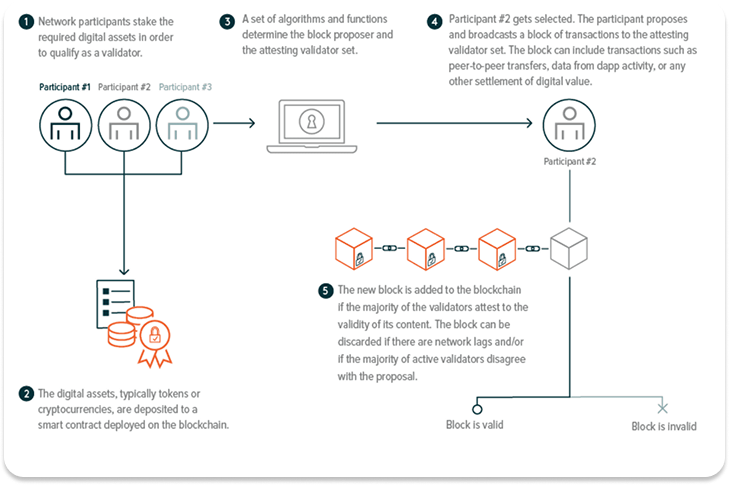
What is Crypto Staking- How It Works, Benefits, Risks, and Future
How This Move Fits the $12.7 Billion Repayment Puzzle
This $16 million transfer is just one piece of a much larger, court-approved strategy. The goal? Repay customers and creditors as fully as possible—often with interest—while avoiding the kind of chaotic liquidations that could ripple through the entire crypto market.
By doing these transfers monthly and in controlled amounts, the estate minimizes price impact. SOL has held relatively steady around $80–$82 even after the news broke. Gradual action like this protects both creditors (who get paid) and the broader Solana ecosystem (which avoids a fire sale).
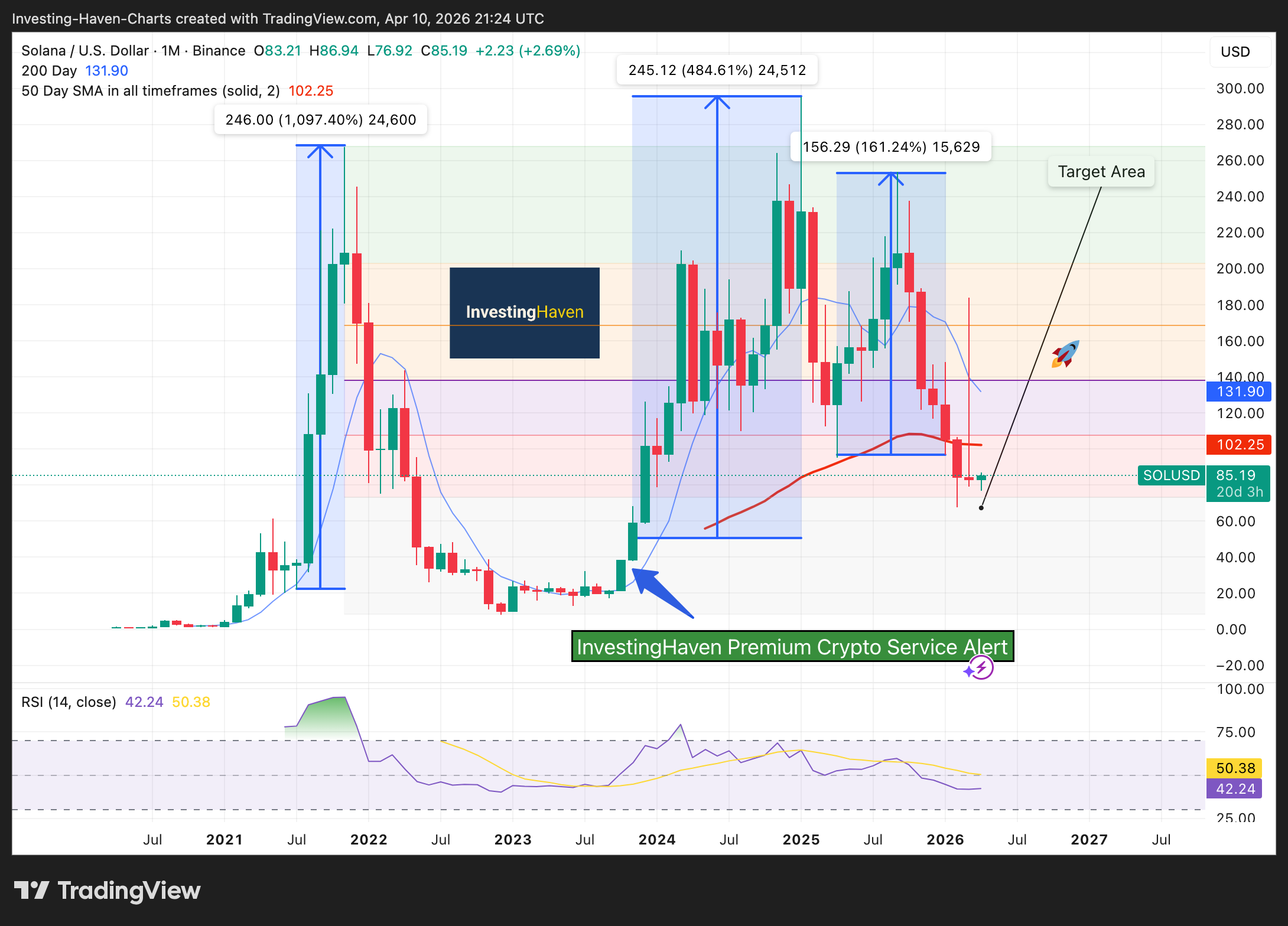
Solana (SOL) Price Prediction Forecast 2026 2027 2028 – 2030 – InvestingHaven
Will This Affect SOL Price or the Crypto Market?
Short answer: probably not dramatically. Analysts watching the situation note that these unstakes are predictable and relatively small compared to Solana’s daily trading volume. The market has already priced in ongoing Alameda activity since the bankruptcy plan kicked into high gear.
For everyday investors, the bigger takeaway is stability. Instead of a sudden $16 million sell-off causing panic, we see transparent, on-chain steps that signal the cleanup process is working as intended. It’s a reminder that even after huge scandals, the system can slowly heal.
What This Means for Creditors and Regular Crypto Users
If you were one of the thousands who lost money in the FTX collapse, news like this is cautiously positive. Every unstaked batch brings the total repaid closer to 100%. The process isn’t flashy, but it’s methodical—and that’s exactly what builds trust back into crypto.
For the rest of us, it highlights important lessons:
- Bankruptcy resolutions in crypto take years, not weeks.
- On-chain transparency (thanks to tools like Arkham) lets anyone verify what’s happening.
- Smart asset management—staking for rewards, then unstaking thoughtfully—can benefit both debtors and the market.
Looking Ahead: More Unstakes and a Path to Full Recovery
Alameda still holds a massive SOL bag. Expect more similar moves in the coming months as the estate works through the remaining $5.1 billion. The pattern is clear: consistent, low-impact transfers that prioritize creditor payouts over quick exits.
In the end, this $16 million unstake isn’t headline-grabbing drama—it’s quiet progress. It shows that even the biggest crypto messes can be resolved through patience, structure, and blockchain transparency. For anyone still holding SOL or following the FTX saga, it’s another step toward closing the chapter and moving forward.