



Let’s be honest: if you’ve heard anything about Bitcoin, you’ve probably heard the words “halving,” “bull run,” or “to the moon.” But what does any of it actually mean for an ordinary person trying to make sense of crypto investing?
Every four years, Bitcoin undergoes a programmed event that most financial experts call the single most important supply shock in modern finance. It’s called the Bitcoin halving — and the next one arrives sometime in April 2028. If you’re just starting your crypto journey, this is the one event you need to understand before anything else.
What Exactly Is a Bitcoin Halving?
Imagine a gold mine that automatically cuts its production in half every four years — no matter how many miners show up, how much demand rises, or what the global economy is doing. That’s Bitcoin’s halving in a nutshell.
Here’s the technical part (I’ll keep it short): Bitcoin has a fixed maximum supply of 21 million coins. New Bitcoins enter circulation through a process called “mining,” where powerful computers solve complex math puzzles to validate transactions. As a reward, miners receive newly created Bitcoins.
The halving cuts this reward in half — and it does so automatically at predetermined intervals, roughly every 210,000 blocks (about four years). It’s coded into Bitcoin’s DNA, written in stone by its mysterious creator, Satoshi Nakamoto.
Think of it this way: if the Federal Reserve could magically cut the supply of new dollars by 50% overnight, what do you think would happen to the value of the dollars already in your pocket?
That’s the core logic behind the halving — scarcity drives value.
When Is the Next Bitcoin Halving (2028)?
The 2028 halving is expected to occur at block height 1,050,000, which Bitcoin block explorers project will arrive around April 2028. While exact dates shift slightly depending on mining speed, most estimates converge on mid-to-late April 2028 (CoinWarz Halving Countdown).
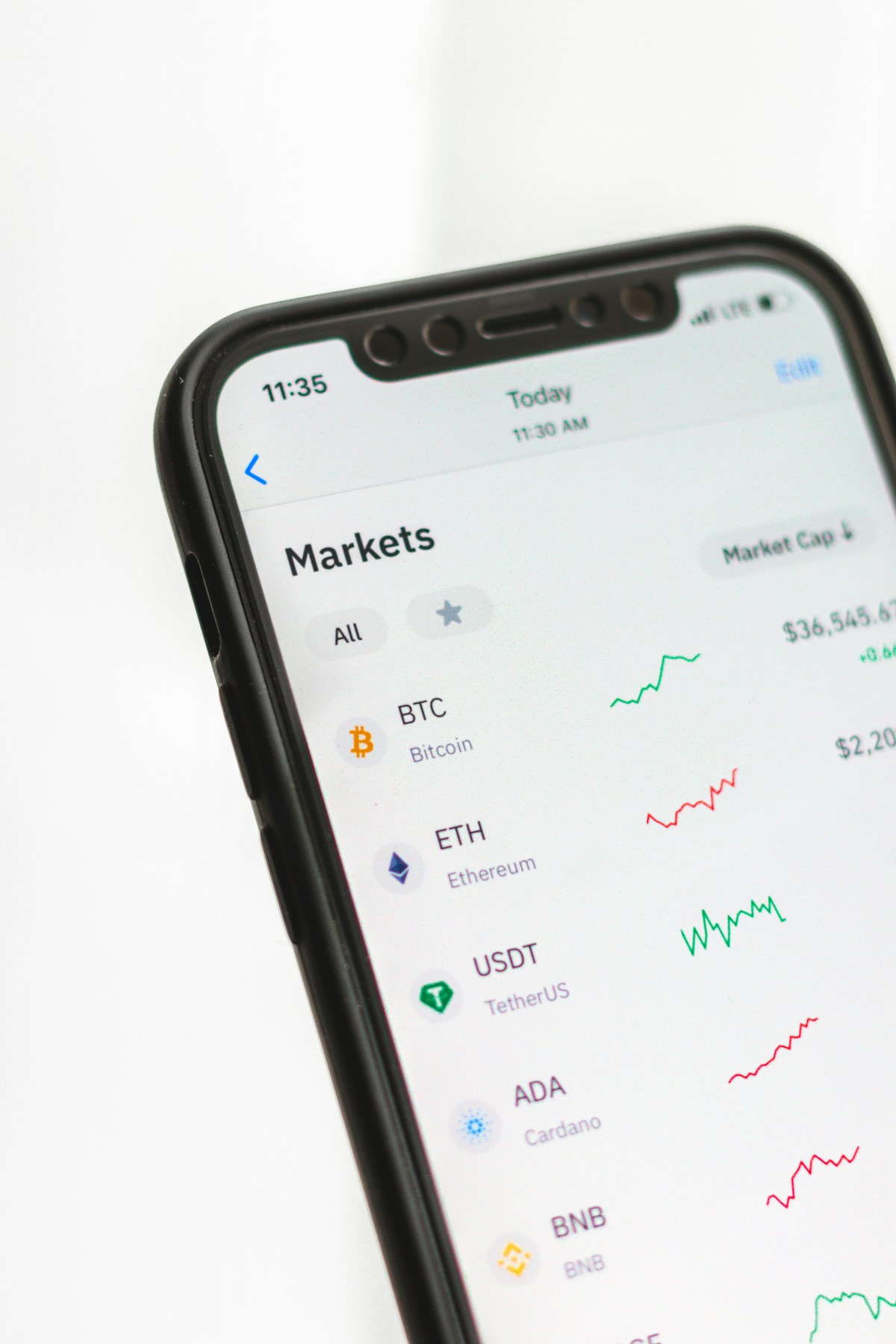
What History Tells Us: The Halving Price Cycles
Past performance does not guarantee future results — but understanding the historical pattern helps you make informed decisions rather than emotional ones.
- 2012 Halving: Bitcoin sat at around $12. Within a year, it climbed to $1,150 — a roughly 9,500% increase.
- 2016 Halving: Bitcoin was around $650. By December 2017, it peaked near $19,800 — about a 2,900% increase.
- 2020 Halving: Bitcoin hovered near $8,600. By November 2021, it reached $68,000+ — roughly a 700% increase.
- 2024 Halving: Bitcoin was around $64,000. It later reached new all-time highs above $108,000 by early 2025 (Blockchain.com Price Data).
Why the 2028 Halving Is Different
The 2028 halving arrives at a unique moment in Bitcoin’s history. Here’s what makes it stand out:
Institutional Money Has Changed Everything
When the SEC approved spot Bitcoin ETFs in January 2024 (SEC Release No. 34-99306), it opened the floodgates. By early 2026, these ETFs held over $120 billion in Bitcoin. The 2028 halving is the first to occur in a world where Wall Street giants like BlackRock and Fidelity are actively marketing Bitcoin to retirement savers.
Global Debt and Monetary Expansion
Global debt has surpassed $315 trillion (IMF Global Financial Stability Report, April 2026). In an environment where central banks continue printing money, Bitcoin’s fixed supply of 21 million becomes increasingly attractive as a store of value.
Mining Has Gone Industrial
Publicly traded mining companies now dominate Bitcoin’s hash rate. The 2028 halving will push less efficient miners out — but the network has never been more secure or more decentralized at the institutional level.

Price Prediction Scenarios for 2028-2029
Let’s look at three scenarios based on historical patterns and current market conditions. Remember: no one has a crystal ball, but understanding the range of possibilities helps you plan.
Bear Case: $150,000 – $200,000
If historical diminishing returns continue and macroeconomic conditions turn unfavorable, Bitcoin could see a modest post-halving rally. This scenario assumes diminishing marginal returns as Bitcoin matures — but still represents a significant gain from current levels.
Base Case: $250,000 – $350,000
This scenario assumes continued institutional adoption, a moderate global economic recovery, and the historical pattern of new all-time highs 12-18 months post-halving. At $300,000, Bitcoin’s market cap would be roughly $6 trillion — comparable to Apple and Microsoft combined today.
Bull Case: $500,000+
If ETF inflows accelerate, nation-states begin accumulating Bitcoin as a reserve asset, and global inflation concerns drive retail adoption, a super-cycle could push prices significantly higher. Analysts at CoinShares and Ark Invest have published models suggesting Bitcoin could reach $500,000 to $1 million by 2030 under optimal conditions (Ark Invest Big Ideas 2025).

How to Prepare Without Overthinking It
You don’t need to be a trading expert to benefit from the halving. Here’s a simple approach:
- Dollar-cost average — Invest a fixed amount weekly or monthly regardless of price. This removes emotion from the equation.
- Don’t try to time the top — Many investors make the mistake of selling immediately after the halving. Historically, the biggest gains come 12-18 months later.
- Ignore the noise — During bull runs, everyone becomes a genius. Stick to your plan, not the headlines.
- Stay secure — The Federal Trade Commission reported over $1 billion in crypto fraud losses in 2025 (FTC Data Spotlight 2026). Use reputable exchanges, enable 2FA, never share private keys.
The Bottom Line
The 2028 Bitcoin halving is more than just a technical event — it’s a reminder that Bitcoin remains the most predictable monetary asset in human history. We know exactly how many new coins will be created, when the supply will be cut, and when the last Bitcoin will ever be mined (around the year 2140).
Halving doesn’t guarantee instant riches. But for those who understand the fundamentals, stay patient, and avoid common emotional traps, it represents one of the most transparent and well-understood investment opportunities in modern finance.
The 2028 halving is roughly two years away. The best time to start preparing was yesterday. The second best time is today.
References & Further Reading
- Nakamoto, S. (2008). Bitcoin: A Peer-to-Peer Electronic Cash System. bitcoin.org/bitcoin.pdf
- IMF (2026). Global Financial Stability Report, April 2026. imf.org
- SEC (2024). Order Approving Spot Bitcoin ETPs. Release No. 34-99306.
- FTC (2026). Data Spotlight: Crypto Scams on the Rise. ftc.gov
- Ark Invest (2025). Big Ideas 2025: Bitcoin Price Models. ark-invest.com
Disclaimer: This article is for educational purposes only. Cryptocurrency investments carry significant risk. Always do your own research and consult a financial advisor.