
# Crypto Regulation Is a Must: 70% of Voters Back New Rules
Picture this: Your neighbor lost thousands in a crypto scam promising “guaranteed” returns, while another friend worries about hackers draining exchange accounts. At the same time, millions see crypto as a path to financial freedom. In 2026, a clear majority of Americans say enough is enough—they want sensible rules to protect everyday people without killing innovation.
A recent HarrisX national survey of over 2,000 registered voters reveals strong bipartisan demand for action: 70% believe the U.S. should have already passed clear cryptocurrency legislation. This isn’t just about politics—it’s about creating a safer playing field for regular investors.
This article explores why regulation matters now, what voters really think, and how smart rules could benefit consumers, innovation, and the broader economy.
Why Crypto Needs Clear Rules in 2026
Cryptocurrency has exploded from a niche idea to a multi-trillion-dollar market. Yet many parts still operate in a gray zone. Without consistent federal oversight, problems like fraud, sudden collapses, and market manipulation hurt ordinary people.
Unregulated platforms often lack basic protections. Scams thrive because crypto transactions are fast and hard to reverse. The FBI reported massive losses from crypto-related fraud, with vulnerable groups like the elderly hit especially hard.
Key risks in today’s environment include:
- Fraud and scams: Pump-and-dump schemes, fake exchanges, and phishing attacks.
- Volatility and manipulation: Prices swing wildly, sometimes due to coordinated trading.
- Consumer confusion: It’s hard to know who’s legitimate when rules differ by platform or state.
Clear regulation aims to address these while letting good actors build responsibly. Think of it like traffic lights on a busy highway—rules prevent chaos without stopping the journey.

Visual breakdown of common crypto risks and reported losses to fraud.
The HarrisX Poll: Strong Bipartisan Support for Regulation
The numbers are striking. According to the HarrisX survey:
- 70% of voters say the U.S. should already have clear crypto legislation.
- 62% believe it’s important for America to set global rules for digital finance.
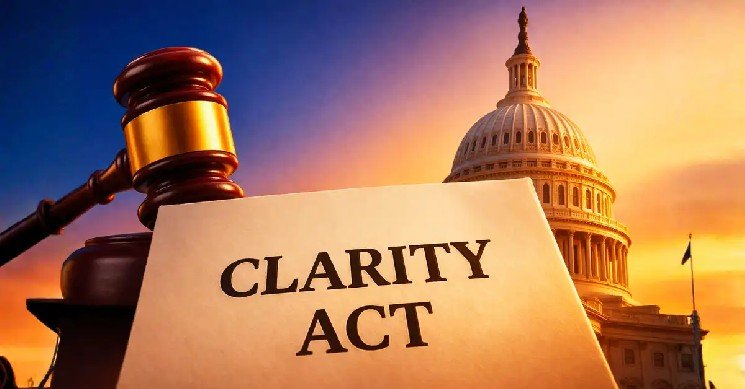
- 52% support the CLARITY Act (a key market structure bill), with only 11% opposed—backing spans Democrats, Republicans, and independents.
Support isn’t limited to crypto owners. Even many who don’t own digital assets want basic guardrails. National security, consumer protection, and keeping U.S. leadership in finance rank as top reasons.
This cross-party consensus is rare in today’s divided landscape. It shows regulation isn’t a left-or-right issue—it’s a common-sense one for protecting families and the economy.
Breakdown of voter support across political lines for clearer crypto rules.
How Regulation Protects Everyday Investors
Good regulation builds trust. When people feel safer, more participate responsibly. Here’s how it helps ordinary folks:
Stronger Safeguards Against Scams
Rules for exchanges and custodians can require better security, transparency, and dispute resolution. This reduces the wild-west feel where fraudsters operate freely.
Clearer Information for Buyers
Investors deserve to know risks, fees, and whether assets are properly backed. Standardized disclosures cut through hype and help people make informed choices.
Stability for the Broader Economy
Oversight limits systemic risks from big failures spilling over into traditional finance. It also helps combat illicit uses like money laundering while preserving privacy for legitimate users.
Studies and expert analyses show that thoughtful frameworks—seen in places with clearer rules—can boost legitimate adoption without stifling growth.
Regulation and Innovation: Not Enemies
Many worry rules will kill creativity. But history shows smart regulation often fuels growth. Early internet and banking rules created confidence that encouraged investment and new businesses.
Benefits for innovation include:
- Attracting institutional money and talent.
- Encouraging high-quality projects over shady ones.
- Providing legal certainty for developers and companies to build long-term.
The goal isn’t over-regulation but balanced rules—like the proposed CLARITY Act—that separate clear oversight between agencies while protecting decentralized finance and self-custody options.

Side-by-side view of risks in unregulated markets versus benefits of clear rules.
What Balanced Crypto Regulation Could Look Like
Effective rules might focus on:
- Registration and standards for major exchanges and custodians.
- Consumer protection requirements (e.g., asset segregation, transparency).
- Clear guidelines distinguishing securities from commodities.
- Measures addressing national security and illicit finance without harming privacy.
Voters prefer clear federal legislation over endless case-by-case enforcement. This creates predictability for everyone—from small investors to entrepreneurs.
Challenges and the Path Forward
Not everyone agrees on details. Some fear heavy-handed rules could push innovation overseas. Others want even stricter consumer protections. Finding the right balance requires input from all sides.
The good news? Public support is there. With 70% backing action, lawmakers have a mandate to move forward thoughtfully. As midterms approach, candidates’ stances on this issue could sway voters.
A Safer Crypto Future Benefits Us All
The message from voters is loud and clear: Crypto is here to stay, but it needs guardrails. 70% support for new rules reflects a desire for protection, fairness, and American leadership—not to shut down progress.
Whether you’re a crypto enthusiast, a cautious observer, or someone who’s been burned before, sensible regulation can make the space safer and more accessible. It protects dreams of financial independence while reducing nightmares of sudden losses.
The conversation is evolving. Staying informed and supporting balanced approaches will shape a crypto ecosystem that works for everyday Americans.
This article is for informational purposes only and does not constitute financial, legal, or investment advice. Always conduct your own research.