

Imagine waking up one morning to find that quantum computers—machines once thought decades away—have quietly cracked the encryption protecting billions in Bitcoin and Ethereum. Your wallet looks safe, but the math behind it just got broken. That sci-fi scenario is no longer pure fiction in 2026. And right in the middle of the panic, one privacy coin has shot up like a rocket: Zcash.
Zcash surges 24% to $336 as crypto rally gains momentum on Iran truce | MEXC News
Zcash (ZEC) has surged nearly 59% in just one week, trading around $370–$380 as of April 12, 2026, while Bitcoin lagged behind. Traders and analysts are pointing to one big story: the growing fear of quantum computing threats. But is this “quantum risk narrative” truly the fuel behind Zcash’s rally, or is it just smart marketing mixed with other catalysts? Let’s break it down in plain English so anyone can follow.
Zcash’s Stunning 2026 Price Surge: The Numbers Don’t Lie
Zcash wasn’t supposed to be the star of April 2026. Yet here we are. The token jumped from roughly $239 to over $380 in seven days, easily beating broader market gains. Volume spiked, whales accumulated, and derivatives showed fresh retail interest pouring in.
What makes this move stand out? It’s not just random hype. Multiple triggers lined up, but the quantum angle keeps getting top billing in headlines. Privacy coins as a group are outperforming, yet Zcash is leading the pack.
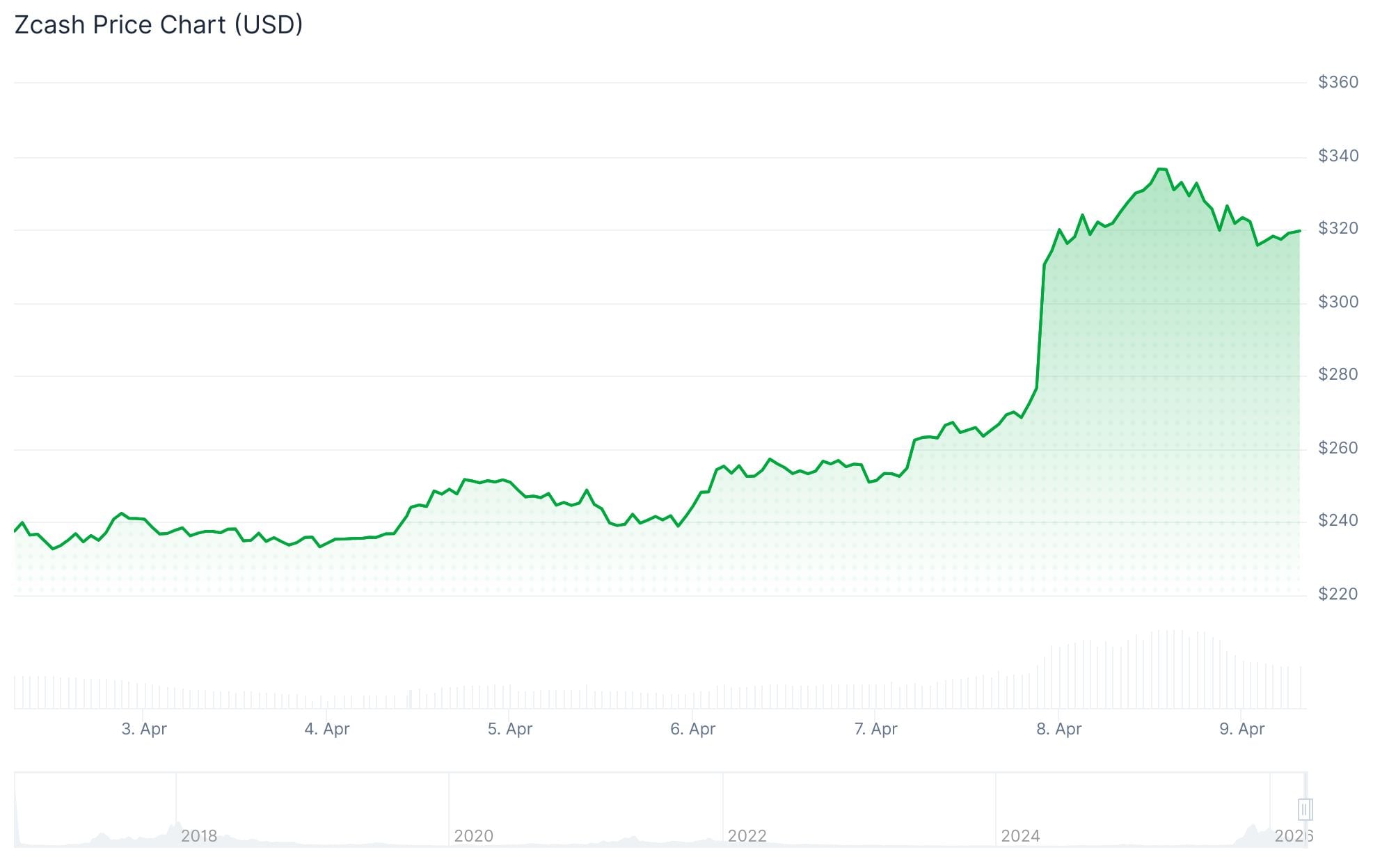
Zcash (ZEC) Price: US-Iran Ceasefire Triggers Sharp Rally in Privacy Coin | MEXC News
For everyday investors, this rally feels different. It’s not driven by meme coins or celebrity tweets. Instead, it’s tied to something bigger: real concerns about the future of digital money in a post-quantum world.
What Exactly Is the Quantum Risk Facing Crypto?
Here’s the simple version: Most blockchains, including Bitcoin and Ethereum, rely on encryption that classical computers can’t break—but quantum computers can. Using algorithms like Shor’s, a powerful enough quantum machine could derive private keys from public ones in minutes.

Quantum Computing vs Blockchain – Key Challenges
This isn’t tomorrow’s problem. Google’s Quantum AI team just released a white paper showing that even 500,000 physical qubits could threaten Bitcoin’s signatures. They also flagged “harvest now, decrypt later” attacks, where bad actors store encrypted data today and crack it years from now.
The scary part? Once broken, the damage is permanent. Old transactions could be exposed, funds stolen, and trust shattered. That’s why the narrative is shifting fast: investors are hunting for coins that look better prepared.
How Quantum Computing Affects Cryptography
Why Zcash Looks Like the Winner in the Quantum Story
Zcash was built from day one with privacy at its core, using zk-SNARKs—zero-knowledge proofs that let you prove a transaction is valid without revealing details. Shielded transactions hide sender, receiver, and amount on the blockchain.
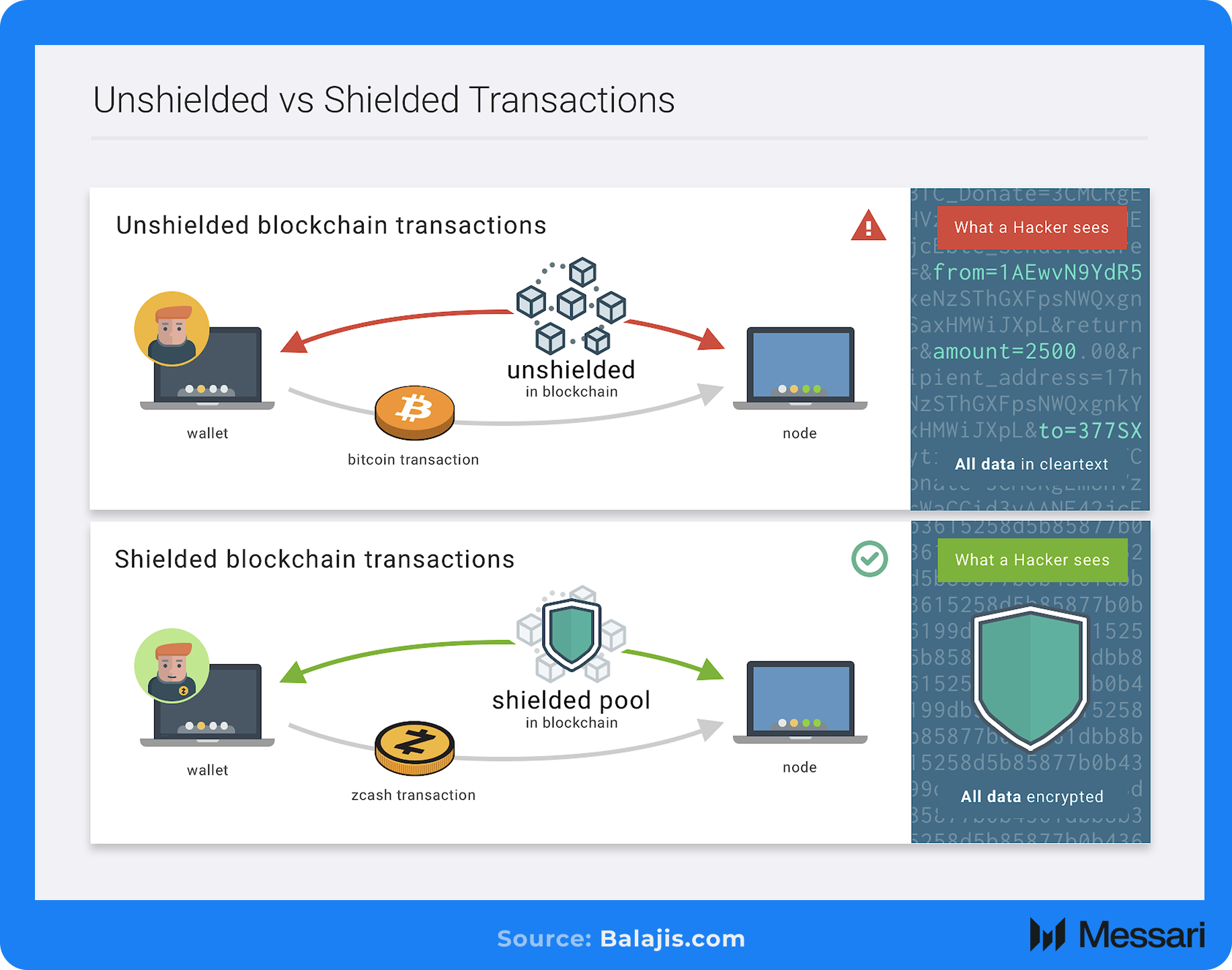
Understanding Zcash: A Comprehensive Overview | Messari
Google’s analysis actually gave Zcash a leg up. Because of its fast 75-second block times, the chance of a “on-spend” quantum attack succeeding drops dramatically—down to about 1 in 1,300 in some models. That’s far better than Bitcoin’s 10-minute blocks.
Zcash isn’t fully quantum-proof yet, but its team has been planning ahead longer than most. The upcoming Tachyon upgrade, targeted for mainnet by the end of 2026, will eliminate key vulnerabilities like in-band secret distribution and close retroactive privacy risks.
Add in the new Z Protocol for smart contracts and recent security fixes, and suddenly Zcash feels like the practical choice for anyone worried about tomorrow’s computers.
Beyond the Narrative: Other Factors Powering the Rally
Let’s be honest—the quantum story isn’t the only driver. A critical bug fix in the Sprout shielded pool removed a huge protocol risk (potential theft of 25,000 ZEC). Whale buying, technical breakouts, and the broader privacy coin resurgence (fueled by regulatory pressure) all played roles.
Still, the quantum narrative acted like rocket fuel. When Google’s paper dropped on April 1, “quantum-aware” coins jumped as a group. Zcash was repeatedly named a top beneficiary because of its cryptography and proactive upgrades.
For regular people, this matters. Privacy isn’t just for criminals—it’s about protecting your financial life from surveillance, hacks, and now quantum breakthroughs.
What This Means for Crypto Investors in 2026 and Beyond
The Zcash rally shows how fast narratives can move markets. One well-timed research paper turned theoretical quantum risk into a real trading theme. Here are three clear takeaways anyone can use:
- Check the tech roadmap: Coins with active post-quantum plans (like Zcash’s Tachyon) deserve a closer look.
- Privacy is becoming a feature, not a bug: As regulations tighten and quantum threats loom, opt-in shielded transactions look increasingly valuable.
- Don’t chase blindly: Zcash isn’t magically immune. Upgrades still need community support, and full quantum resistance will take years of careful work.

What is a Privacy Coin? 2026 Cryptocurrency Guide – NFT Plazas
The bigger picture? Crypto’s next big upgrade cycle might not be about speed or DeFi—it could be about surviving quantum computers. Zcash’s surge suggests the market is already pricing that in.
Whether the quantum risk narrative alone explains every dollar of Zcash’s 2026 rally is debatable. But it’s clearly a major piece of the puzzle, shining a spotlight on a coin that was quietly building defenses while others ignored the warning signs. As quantum timelines accelerate, expect more coins to play catch-up—and more eyes to turn toward projects like Zcash that got started early.
The future of money might just depend on who prepares for the quantum age first. Keep watching ZEC, but always do your own research before jumping in. The rally is real, the risks are real, and the story is only getting started.