
Picture this: You pour $75 million into a flashy crypto project tied to the Trump family, expecting a true decentralized finance revolution. Then, without any heads-up, your entire stake gets locked away like it never belonged to you. That’s not a nightmare scenario—it’s exactly what happened to Justin Sun, the billionaire founder of the TRON blockchain, in a drama that exploded into the spotlight on April 12, 2026.
Sun’s public bombshell accusation against World Liberty Financial (WLFI) has rocked the crypto world. He claims the project secretly built a “backdoor” into its smart contract—a hidden tool that lets insiders freeze anyone’s tokens on demand. This isn’t just insider gossip. It’s a high-stakes clash exposing cracks in a project marketed as the future of American DeFi. And as token prices have plunged and trust has evaporated, Sun’s warnings look more spot-on than ever.
Justin Sun: Crypto Trailblazer Turned Whistleblower
Justin Sun isn’t your average crypto investor. As the founder of TRON, one of the top blockchain networks, he’s known for bold moves and massive bets. He jumped into WLFI early, backing it with tens of millions because he bought into its promise: a DeFi platform that cuts out middlemen and brings financial freedom to everyday Americans.

Justin Sun, founder of blockchain platform Tron, poses for a… News Photo – Getty Images
But Sun says reality didn’t match the pitch. In a detailed statement posted on X (formerly Twitter), he revealed he became the project’s biggest individual backer—only to discover a secret feature that turned his investment into a trap. He still praises President Trump’s pro-crypto stance but points the finger squarely at WLFI’s team for shady tactics.
What Is World Liberty Financial and Its Trump Connection?
WLFI launched as a Trump family-backed DeFi venture, complete with a governance token ($WLFI) and a stablecoin called USD1. Promoted heavily after Trump’s 2024 election win, it aimed to make decentralized finance mainstream. The project raised funds from big players, with Sun’s $75 million investment helping boost its profile when sales were sluggish.
World Liberty Financial token valued at $0.20 in Trump crypto project’s ALT5 treasury deal – DL News
On paper, it sounded perfect—transparent, community-driven, and aligned with “crypto-friendly” policies. In practice, Sun alleges it operated more like a centralized operation with hidden controls. Recent reports show WLFI even used its own tokens as collateral for massive loans on a third-party platform, sparking liquidity fears and further price drops.
The Backdoor Reveal: Sun’s Explosive Allegations
Here’s the core of Sun’s claim, explained simply: Smart contracts are like unbreakable digital agreements on the blockchain. WLFI’s token contract supposedly included an undisclosed “blacklist function.” This backdoor lets the team add any wallet to a no-access list, freezing funds instantly—no explanation needed, no appeal process.
Sun called it “a trap door marketed as an open door.” He says it was never mentioned to investors like him. Worse, his own WLFI wallet holding hundreds of millions of tokens was blacklisted back in September 2025. No warning. No reason given. He estimates his peak paper value hit around $700 million before the freeze; today, it’s a fraction of that.
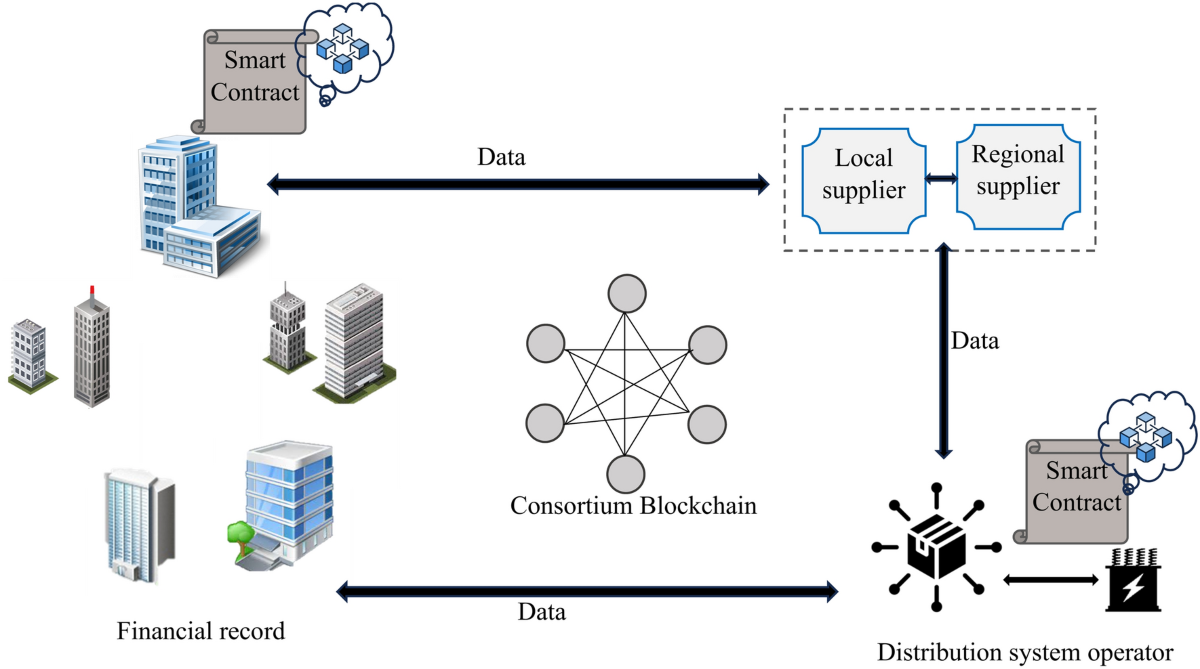
Advanced financial security system using smart contract in private ethereum consortium blockchain with hybrid optimization strategy | Scientific Reports
This isn’t theoretical. Blockchain experts note that such functions exist in some tokens (like certain stablecoins), but hiding them in a “decentralized” project violates the whole ethos. Sun went further, accusing the team of rigging governance votes to justify freezes and treating users like a “personal ATM” for fees and loans.
Hard Evidence: The Price Crash and Frozen Funds
Numbers don’t lie. WLFI’s token has cratered 83% from its all-time high of about $0.46, hitting record lows around $0.08 as the scandal unfolded. Sun’s frozen stake alone represents a massive paper loss—tens of millions wiped out overnight.
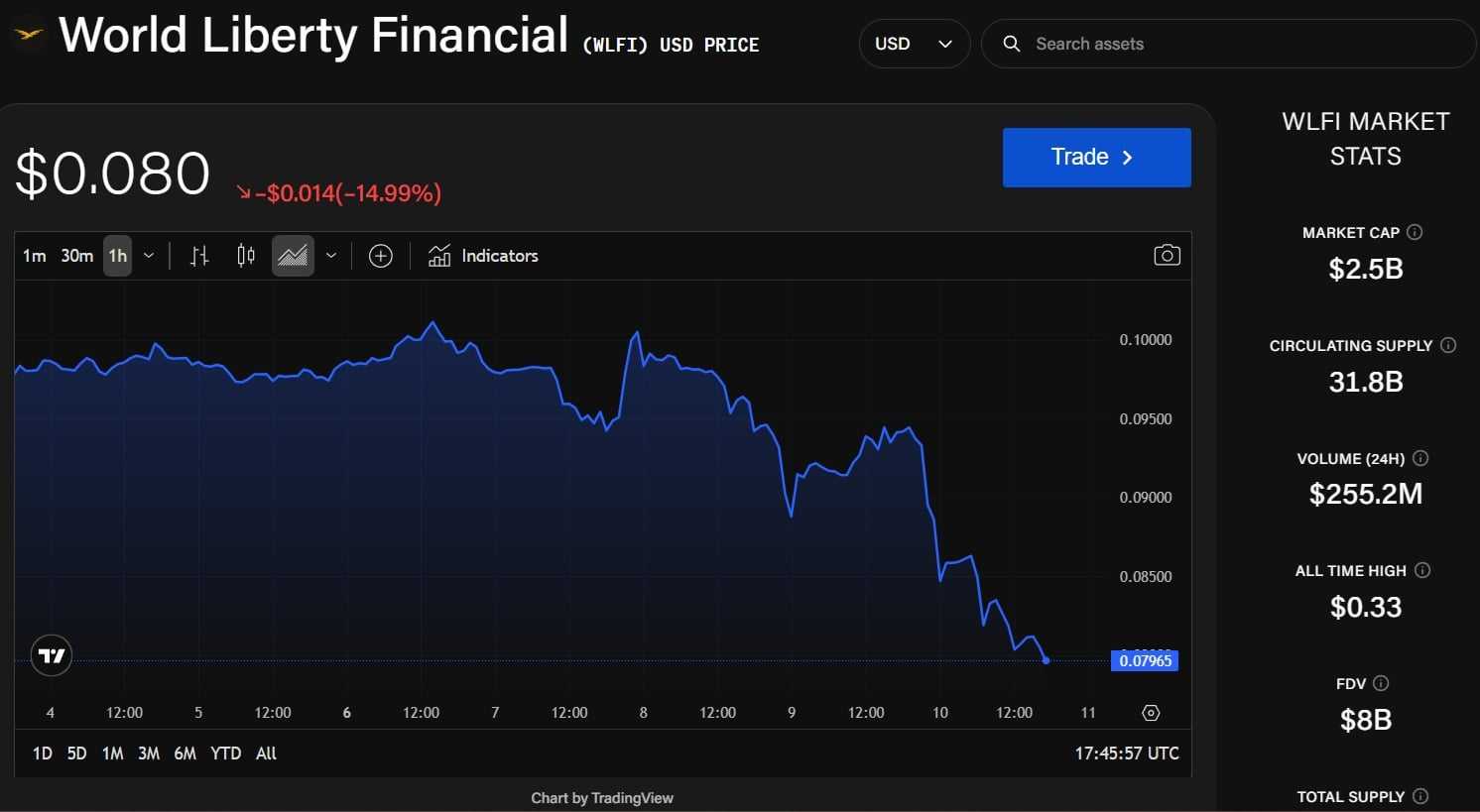
Justin Sun’s frozen WLFI takes $11 million hit as World Liberty brushes off liquidation fears | The Block
Independent on-chain data backs parts of the story: WLFI wallets have moved huge amounts of tokens for lending, sometimes against their own assets, raising red flags about self-dealing. Sun’s public posts detail how governance wasn’t truly open—key details were hidden, and votes felt pre-decided.
For regular investors, this hits hard. If a high-profile backer like Sun can get locked out, what protects smaller holders?
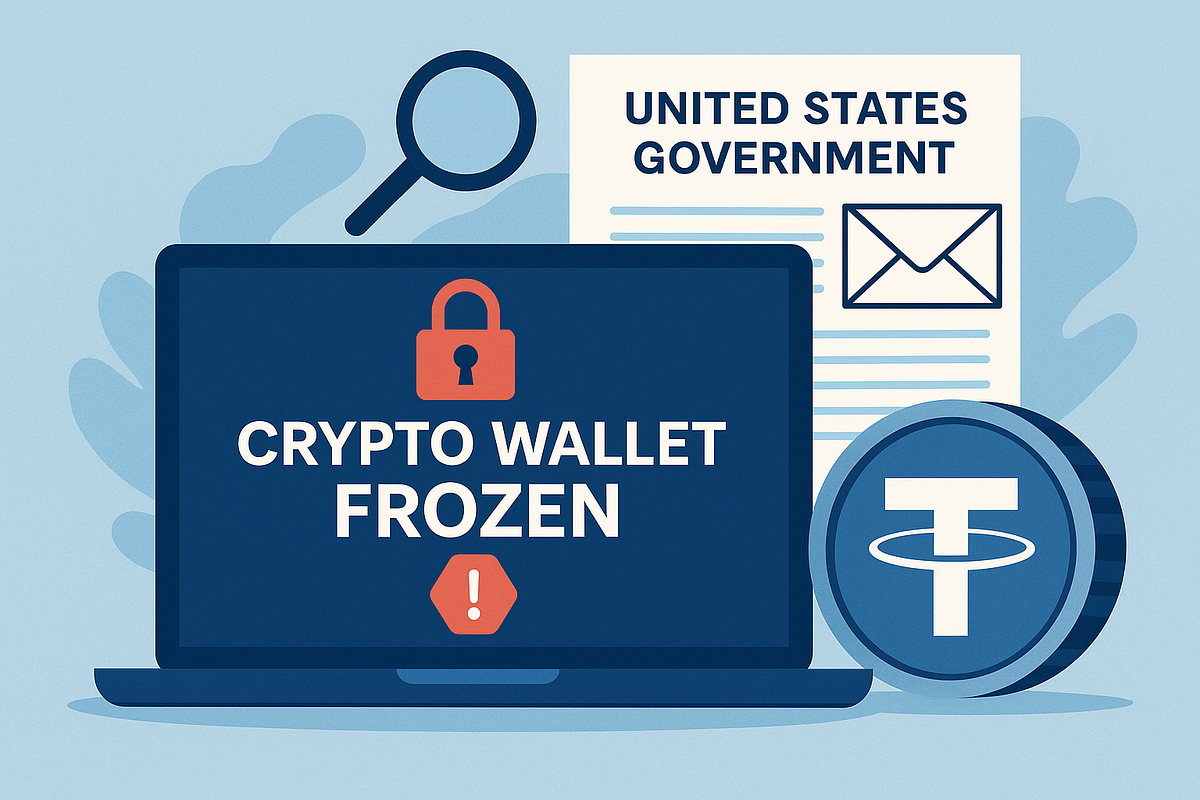
When the U.S. Government Freezes Your Crypto Wallet: Understanding Seizure, Forfeiture, Proffers, and Options for Getting Funds Back | by Todd A. Spodek | Medium
WLFI’s Counterpunch: Denial, Lawsuits, and More Drama
WLFI didn’t stay silent. The project’s official X account fired back, calling Sun’s claims “baseless” and accusing him of playing the victim to hide his own issues. They threatened legal action, saying they have contracts and evidence ready for court.
Yet Sun doubled down, demanding the anonymous team “step forward and identify yourself.” He insists the backdoor undermines everything WLFI promised. As of April 12, 2026, the feud shows no signs of cooling, with the token still bleeding value.
Why Sun’s Warnings Ring True for Everyday Crypto Users
Sun’s story isn’t just billionaire beef—it’s a wake-up call about real risks in crypto. True decentralization means no single group can seize control. A hidden backdoor flips that into a centralized power grab.
This matters because WLFI positioned itself as Trump-era innovation for Main Street. If even big investors get burned, it erodes confidence across the board. Crypto thrives on trust; scandals like this remind us why transparency and audits are non-negotiable.
Lessons from the WLFI Backdoor Raid for 2026 and Beyond
As crypto evolves in 2026, Sun’s accusations highlight three big truths:
- Always check the code: Smart contracts should be public and audited. Hidden functions are a giant red flag.
- Governance must be real: Votes that feel rigged destroy community faith.
- Politics and crypto mix uneasily: Trump support doesn’t guarantee project integrity.
Sun’s still betting on Trump’s policies, but he’s drawing a line at misconduct. For ordinary readers dipping toes into DeFi, the takeaway is simple: Do your homework, diversify, and never assume a shiny promise equals safety.
The WLFI saga isn’t over. Whether it ends in court, reforms, or more fallout, it proves one thing: In crypto, being “right” sometimes means calling out the backdoors before they raid your future. Stay informed, stay skeptical, and watch this space.