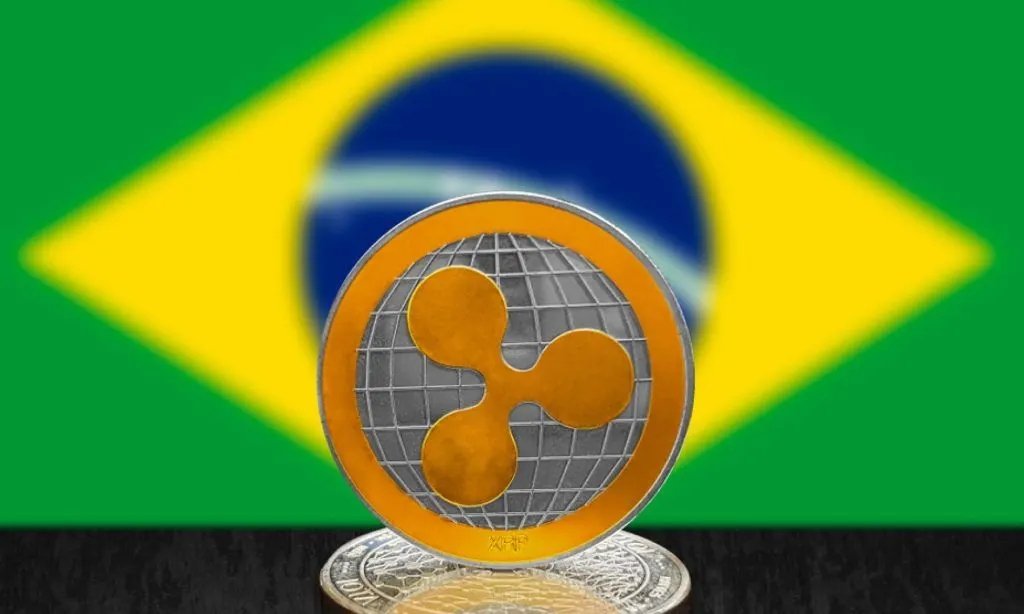
Imagine a Brazilian exporter getting paid from the United States in minutes instead of days, with rock-bottom fees and full transparency. Or a family in São Paulo sending money home from abroad without losing a big chunk to banks. That future just got much closer thanks to a bold move by Ripple.
On March 17, 2026, in São Paulo, the blockchain payments leader announced it is rolling out its complete set of enterprise tools across Brazil while preparing to apply for a key regulatory license. This isn’t just another tech update — it’s Ripple positioning itself as the one-stop shop for banks, fintechs, and big companies handling money and digital assets in Latin America’s largest economy.

Ripple (@Ripple) / Posts / X
Ripple’s Full Suite: Everything Institutions Need in One Place
Think of Ripple’s offering like a Swiss Army knife for modern finance — but built on blockchain for speed and security. No more piecing together different providers for different jobs.
The company now delivers:
- Cross-border payments that settle same-day in fiat or stablecoins.
- Digital asset custody with bank-level protection.
- Prime brokerage for trading and financing.
- Treasury management tools to handle liquidity 24/7.
Ripple claims it is the only platform in the region that covers this entire spectrum. Over $100 billion in payments already flow through its network globally, and Brazilian partners like Banco Genial, Braza Bank, and Nomad are already using it to move USD faster and even issue their own stablecoins.
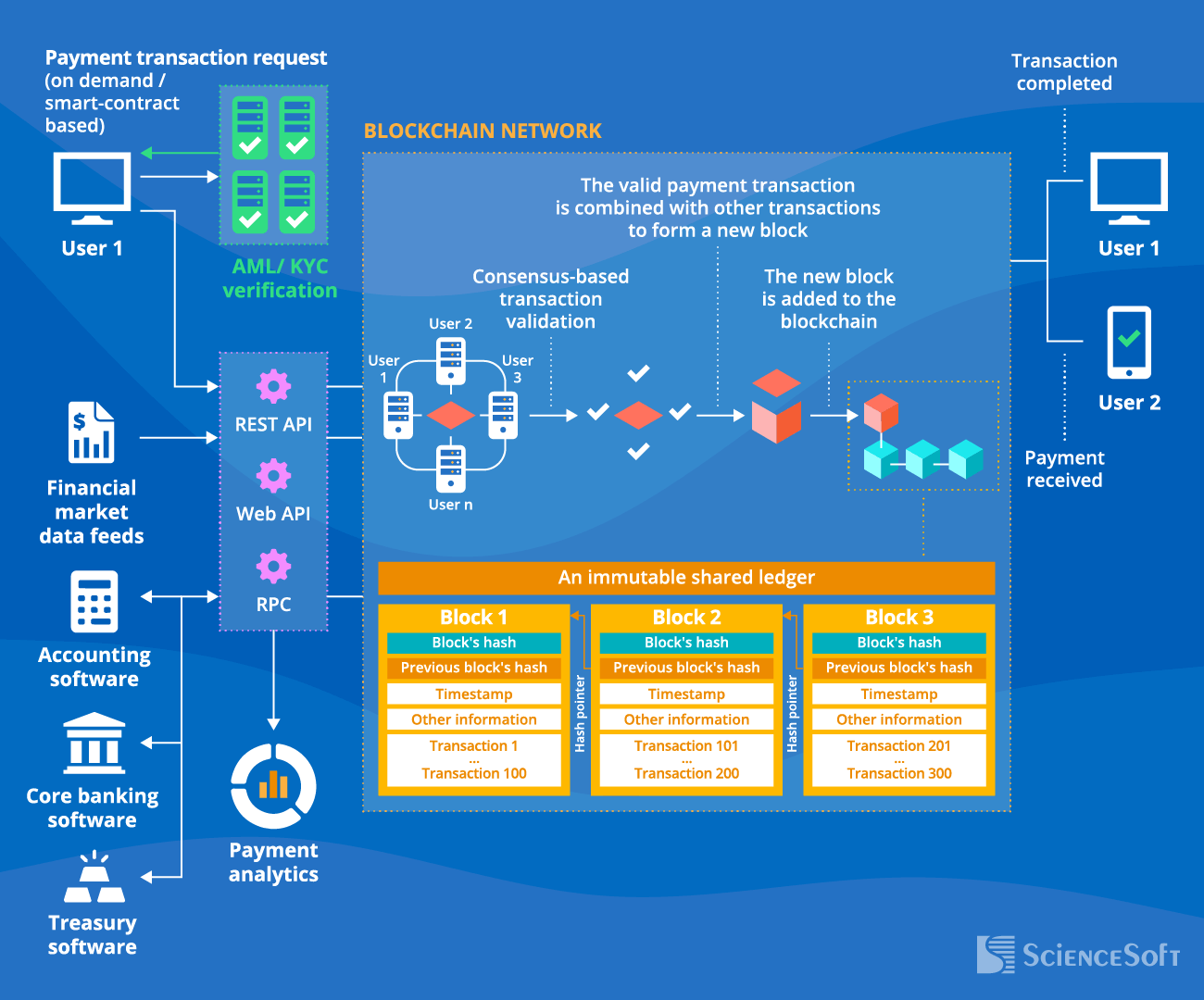
Blockchain for Cross-Border Payments in 2026 ⛓️💰
Making Cross-Border Payments Simple and Cheap
Traditional international transfers can feel like sending a letter by snail mail — slow, expensive, and hard to track. Ripple changes that.
Its payments solution lets Brazilian banks and fintechs send money across borders instantly using blockchain. Several local players already rely on it:
- Braza Bank streamlines USD flows.
- Nomad (serving millions of users) cuts treasury costs between Brazil and the U.S.
- Azify swaps stablecoins into local currencies effortlessly.
And Ripple’s own USD-backed stablecoin, RLUSD (now worth over $1.5 billion), is gaining traction with big names like Mercado Bitcoin and Ripio.
Safe Storage: Digital Asset Custody Arrives in Brazil
Holding crypto securely is a top worry for institutions. Ripple Custody brings enterprise-grade protection — real-time screening, support for multiple hardware security modules, and staking options — all in one easy system.
Partners like CRX and Justoken are already tokenizing real-world assets (think natural resources) on the XRP Ledger with nearly $100 million settled on-chain. For everyday users, this means the companies they deal with can handle crypto without risking hacks or lost funds.

Vault Infrastructure: The Institutional Upgrade Traditional Asset Management Has Been Waiting For | Zircuit
Why the VASP License Is a Game-Changer
Brazil introduced smart rules for virtual assets, and Ripple wants to play by them fully. It plans to apply for a Virtual Asset Service Provider (VASP) license from the Central Bank of Brazil (BCB).
In plain English, a VASP license is official permission to offer crypto services legally and safely. It signals trust, protects customers, and opens the door for wider adoption. Ripple has spent over a decade earning licenses worldwide — this move shows it’s committed to staying compliant while growing fast.
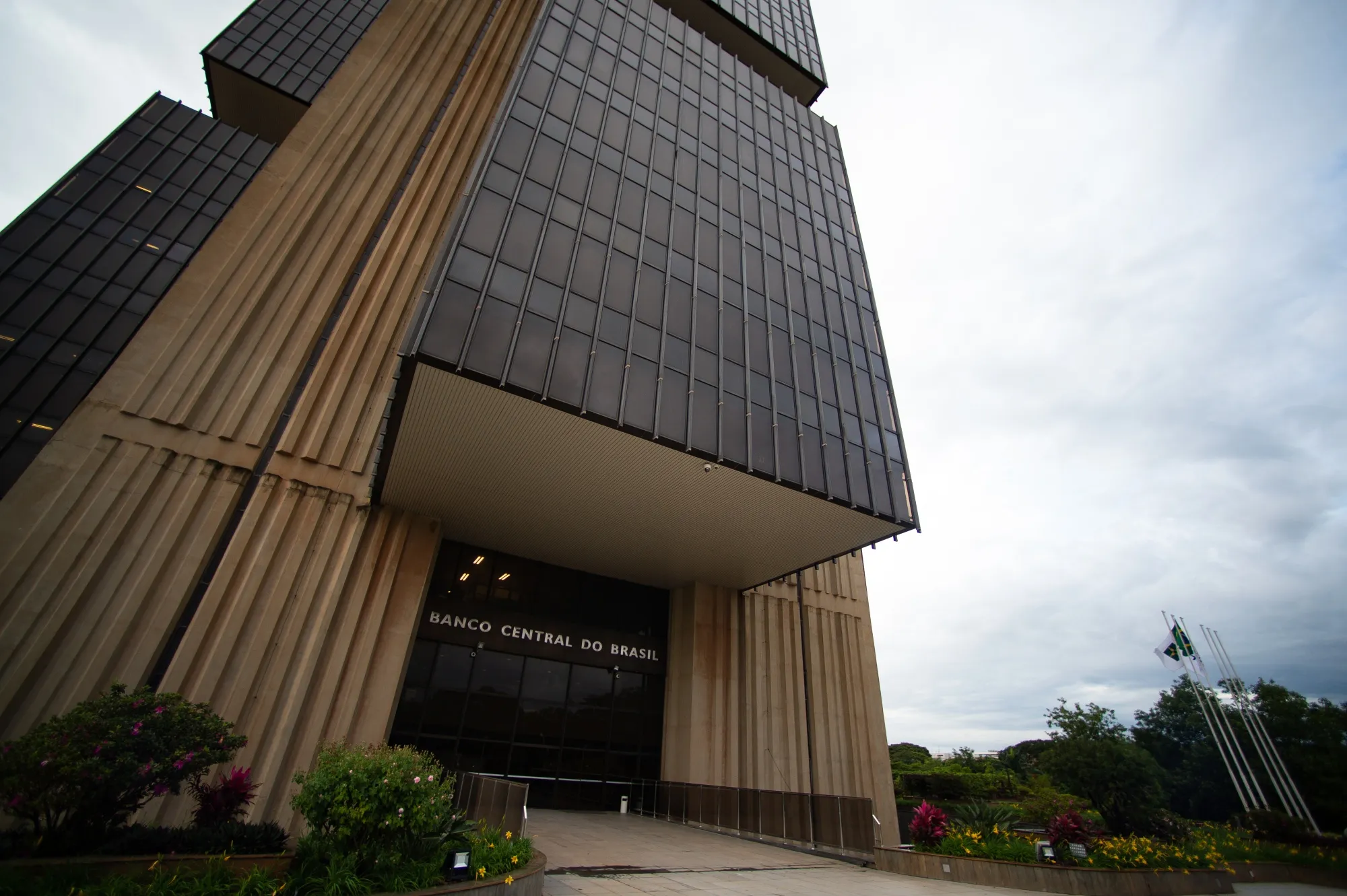
Lula’s Jab at Central Bank Puts Traders on Edge Across Brazil – Bloomberg
Ripple President Monica Long on Brazil’s Bright Future
Ripple President Monica Long put it perfectly:
“Latin America has always been a priority market for Ripple — not just because of the scale of the opportunity, but because Brazil has built one of the most advanced and forward-thinking financial ecosystems in the world. We’ve spent more than a decade building the trust, licensing, and technology required to operate in regulated markets. Now, with our expanded platform, we can meet institutions across the region with everything they need to compete in the modern financial system.”
Real Benefits for Ordinary Brazilians and Businesses
This expansion isn’t just for big corporations. Remittances — money sent home by Brazilians working abroad — total billions every year. Faster, cheaper transfers mean more money stays in families’ pockets.
Businesses get instant liquidity, lower costs, and the ability to accept stablecoins without headaches. Tokenization of assets (turning property or commodities into digital tokens) could unlock new investment opportunities for everyday investors too.
What’s Next for Crypto in Brazil?
With Brazil’s forward-thinking rules and Ripple’s full toolkit now available, the country is poised to become a digital finance leader in Latin America. More partnerships, smoother payments, and safer crypto handling are on the horizon.
Ripple’s message is clear: it’s here for the long haul, playing by the rules, and ready to help Brazil’s financial ecosystem thrive in the blockchain era.
Whether you run a small business, send money overseas, or just follow fintech news, this development is worth watching. The ripple effect could reshape how money moves in Brazil — and beyond.