

Imagine trillions of dollars in everyday institutional trades—think big banks and hedge funds swapping assets—suddenly finding a faster, cheaper way to settle thanks to blockchain tech. That’s the buzz right now around Ripple’s XRP Ledger (XRPL) following a major step by its prime brokerage arm. In early March 2026, Ripple Prime (formerly Hidden Road) got listed in the National Securities Clearing Corporation (NSCC) directory, opening doors for massive post-trade flows to potentially move onto the XRPL. This isn’t just tech talk; it’s a real bridge between Wall Street’s old-school systems and crypto’s speed. Let’s unpack what this means for regular folks interested in crypto’s future without getting lost in jargon.
The Big Acquisition That Started It All
Back in 2025, Ripple made headlines by buying Hidden Road—a respected prime brokerage firm—for $1.25 billion. This deal turned Ripple into the first crypto company to own a full global, multi-asset prime broker. Hidden Road wasn’t small; it handled about $3 trillion in annual trading volume for over 300 top institutional clients across forex, derivatives, digital assets, and more.
After the purchase, Hidden Road got rebranded as Ripple Prime. The goal? Shift parts of its post-trade work—like clearing and settling deals—onto the XRP Ledger. XRPL is known for quick transactions (settling in seconds) and tiny fees, compared to traditional systems that can take days and cost more.

These visuals capture the excitement of the Ripple-Hidden Road acquisition, showing logos coming together and announcement graphics that highlight this game-changing $1.25 billion move toward institutional crypto integration.
What the NSCC Listing Really Means
On March 2, 2026, the DTCC (which runs the NSCC) added Ripple Prime (still listed under its old Hidden Road name in some docs) to its participant directory. NSCC is a key part of U.S. securities clearing—it processes and settles trades safely for banks and brokers.
This listing lets Ripple Prime plug directly into established U.S. financial plumbing for over-the-counter (OTC) trades. Why care? It creates a regulated path to settle those trades on the XRPL instead of slow traditional methods. Even if only a fraction of that $3 trillion yearly volume shifts to on-chain settlement, it could boost XRPL’s real-world use hugely.
Ripple’s CTO, David Schwartz, called this update “important” for institutional crypto adoption, highlighting how it connects old finance to blockchain without hype.
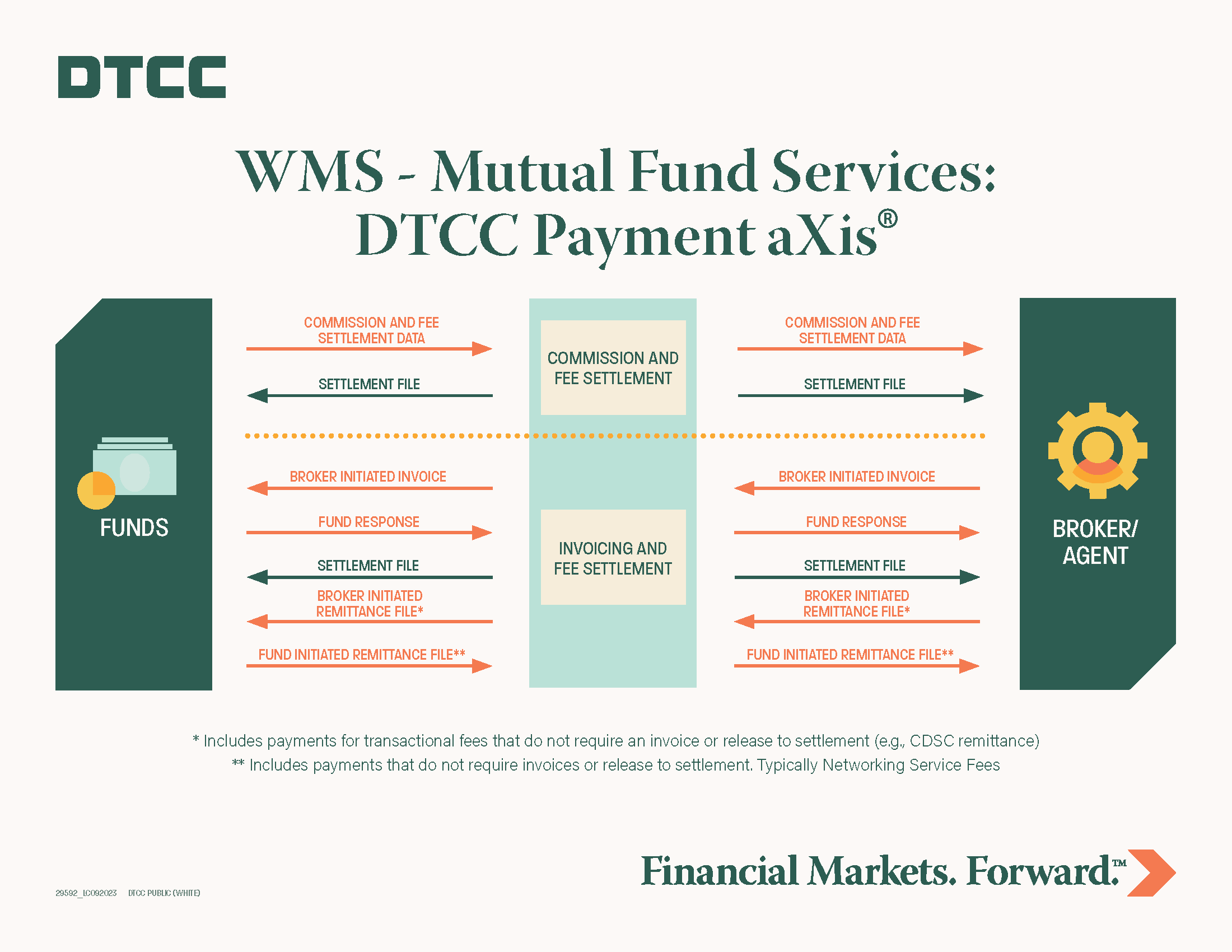
Here are diagrams and screenshots related to DTCC/NSCC operations, illustrating the clearing and settlement infrastructure that Ripple Prime now accesses—making the bridge to XRPL feel more concrete and regulated.
Why $3 Trillion Matters to Everyday Crypto Fans
$3 trillion is mind-boggling—it’s more than many countries’ GDPs. Hidden Road cleared this much yearly before the buyout. Now, with NSCC access, Ripple Prime can route institutional trades through trusted channels and settle them on XRPL where it makes sense.
This could mean:
- Faster finalization of big deals
- Lower costs for everyone in the chain
- More proof that XRPL works for serious finance, not just small payments
For regular investors, it signals growing mainstream trust in XRP and XRPL. When big institutions use a blockchain, it often brings stability, liquidity, and new features—like better tokenization of real-world assets.
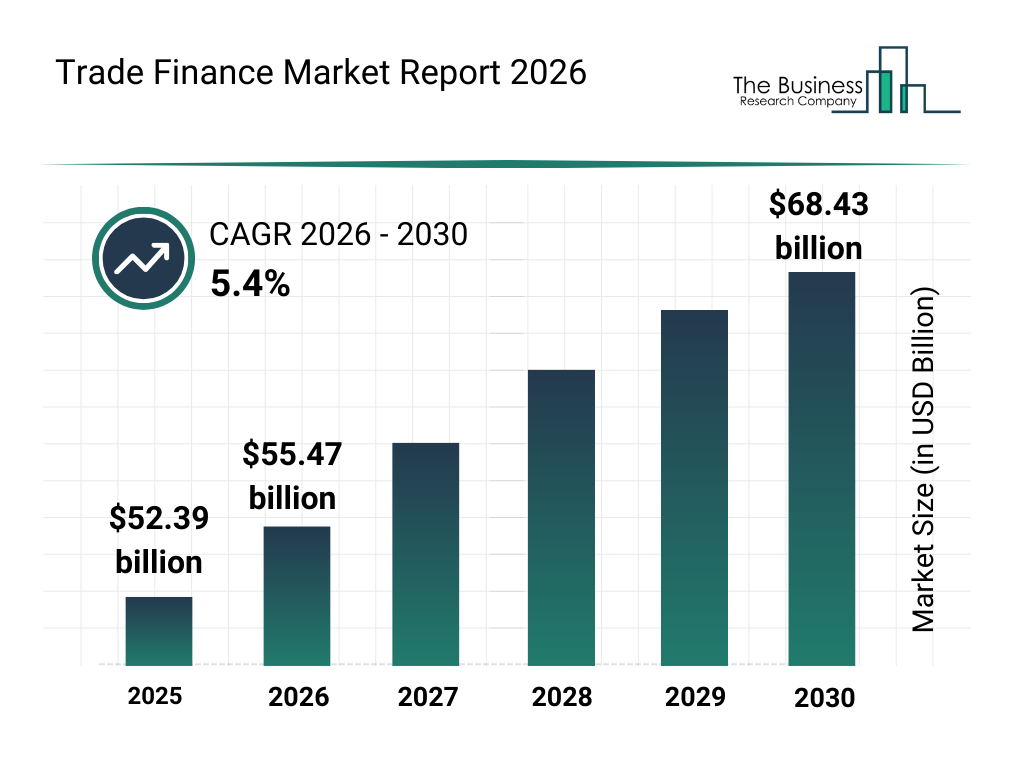
thebusinessresearchcompany.com
These charts show trading volume scales and market size comparisons, helping visualize just how enormous $3 trillion in annual clearing volume is—and why shifting even part of it to XRPL could be transformative.
XRPL’s Speed Advantage in Action
Experts note this fits Ripple’s push to make XRPL a go-to for institutional DeFi, using tools like its RLUSD stablecoin for collateral. XRPL settles in 3-5 seconds at fractions of a cent, crushing traditional systems that drag on for days.

Infographics here compare XRPL’s lightning-fast, low-cost settlements to slower traditional methods like SWIFT—driving home why institutions are eyeing this tech for efficiency gains.
Potential Benefits and Realistic Outlook
The upside looks exciting: XRPL could handle high-value settlements efficiently, cutting risks from delays or high fees. Ripple plans to migrate post-trade activity gradually, starting with eligible OTC products.
But keep expectations grounded—no one’s saying all $3 trillion jumps overnight. Integration takes time, regulations matter, and markets stay volatile. Still, this NSCC milestone is a concrete step toward blending tradfi and crypto.
XRPL logo and explanatory graphics showcase the ledger’s core design and ecosystem, emphasizing its reliability and growing role in bridging crypto with institutional finance.
Looking Ahead: XRPL’s Growing Role
In March 2026, Ripple’s move shows blockchain isn’t fringe anymore—it’s integrating with core finance infrastructure. The XRPL, with its proven speed and reliability, stands ready as institutions seek efficient alternatives.
For everyday people watching crypto, this development highlights real progress: big money testing blockchain for everyday operations. It could pave the way for broader adoption, making digital assets more useful beyond speculation.
Whether you’re holding XRP or just curious, keep an eye on Ripple Prime’s next updates—this bridge between Wall Street and XRPL might reshape how global finance works, one settlement at a time. Always do your research and remember: all investing involves risks.