

Turkey is stepping up its oversight of the cryptocurrency space with a fresh legislative push. On March 2, 2026, the ruling AK Party submitted a draft bill to parliament proposing a 10% withholding tax on profits from crypto transactions handled by regulated platforms, alongside a modest 0.03% transaction tax levied on crypto service providers. This comes amid Turkey’s crypto scene exploding—trading volumes approached $200 billion annually in 2025—driven by persistent inflation and a sliding lira that has driven everyday people to digital assets for financial stability.
The changes aim to bring structure, collect revenue, and encourage safer, regulated trading rather than outright restricting crypto use. For regular investors, this means clearer rules but also automatic deductions on gains in many cases. Let’s break it down simply.
Why Turkey Needs Crypto Rules Now
Inflation has stayed stubbornly high in Turkey for years, often exceeding 50%, eroding savings in traditional lira accounts. Many citizens turned to Bitcoin, Ethereum, and other cryptocurrencies as a practical way to protect their money. Global reports, including those from Chainalysis, consistently rank Turkey near the top for crypto adoption worldwide.
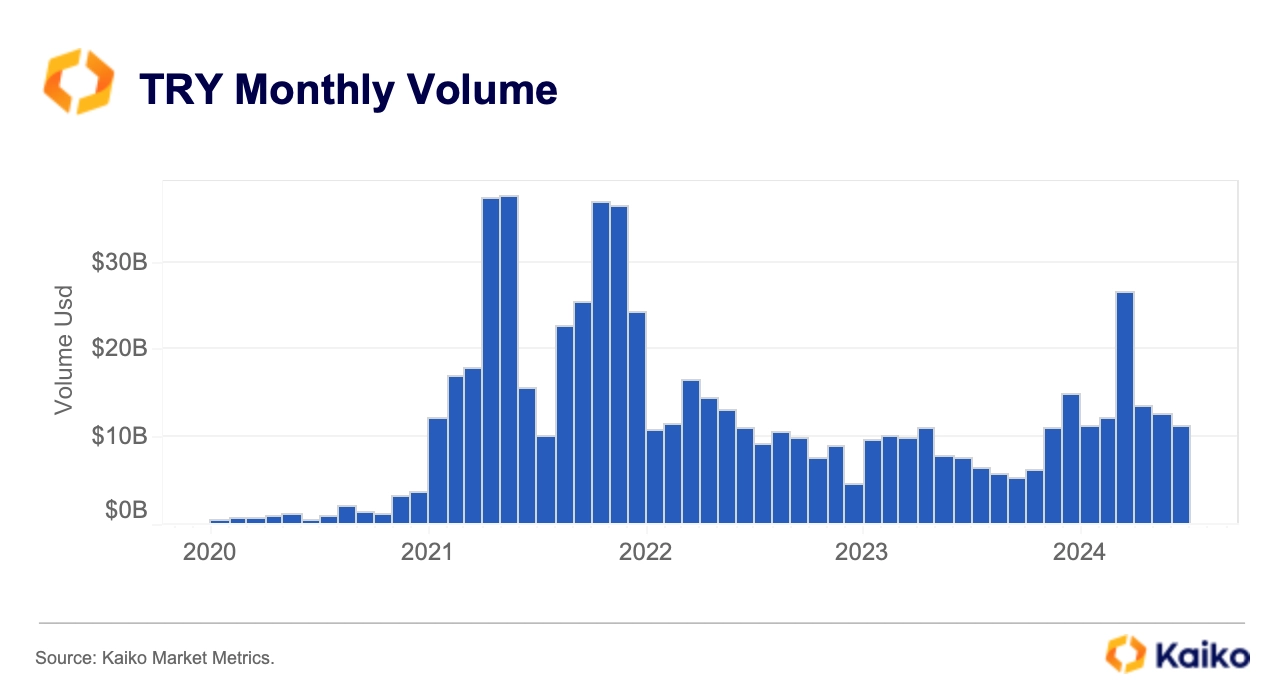
With such massive activity—hundreds of billions in trades—the government wants a share while reducing risks like scams and unregulated platforms. The proposal treats crypto profits like other investment income, pushing the market toward licensed operators for better transparency and user protection.
Breaking Down the 10% Withholding Tax on Gains
The core of the bill is a 10% withholding tax applied to income and profits from crypto trades on licensed platforms. These platforms handle the deduction quarterly and forward it to the state treasury.
- Profits mean the difference between buy and sell price (e.g., buy at ₺10,000, sell at ₺15,000 → tax on the ₺5,000 gain).
- It covers individuals and businesses, whether residents or not.
- The president gains authority to adjust the rate anywhere from 0% to 20%, potentially based on holding time, asset type, or other factors to encourage certain behaviors like longer-term investing.
For trades on unlicensed or peer-to-peer setups, users handle self-declaration and payment annually—more hassle and higher compliance risk.

This automatic system simplifies things for users on compliant exchanges while nudging everyone toward regulated options.
The Small but Important 0.03% Transaction Fee
Crypto exchanges and service providers face a separate 0.03% tax on the value of sales or transfers they process or facilitate. On a ₺100,000 trade, that’s only ₺30—a negligible amount.
Most analysts believe platforms will likely absorb this cost to stay competitive rather than adding it to user fees. It targets the high-volume infrastructure side, quietly generating government revenue without heavily impacting individual traders.
How This Compares to Other Countries
Turkey’s model draws from global examples. The 10% withholding echoes capital gains taxes in places like the United States (variable by income bracket) or India’s flat 30% on crypto profits plus fees. The tiny 0.03% provider levy resembles minor duties seen in some markets.
The presidential flexibility to drop rates stands out, potentially making Turkey more investor-friendly than stricter regimes. It also mirrors efforts in the EU under MiCA to favor licensed platforms.

As covered by Reuters and CoinDesk in their March 2, 2026 reports on the AK Party draft, this balances revenue needs with innovation in a high-adoption country.
What This Means for Everyday Crypto Users in Turkey
For the typical person buying or selling crypto:
- Stick to licensed Turkish platforms? Profits get hit with automatic 10% quarterly withholding—easier taxes but slightly reduced net gains.
- Casual or small trades? The 0.03% side is tiny and probably won’t reach your wallet directly.
- Prefer long holds? Adjustable rates could reward patience if lowered for certain assets.
- Use informal methods? Track everything yourself and declare annually—more work and potential audits.
Overall, crypto remains legal and accessible, just more taxed like stocks or property. It could cut shady activity and build greater trust in the ecosystem.

Looking Ahead: Timeline and Potential Impact
If parliament passes the bill, key parts would activate two months after official publication in the gazette. The treasury will release detailed implementation guidelines.
This could strengthen regulated exchanges, boost state income from the booming market, and position Turkey as a more structured player in regional digital finance. For users, it means adapting to taxes but gaining clearer legal safeguards.
Follow updates from official channels like the Turkish Grand National Assembly or reliable sources such as Reuters (March 2, 2026 coverage of the proposal) and CoinDesk (details on the withholding mechanism).

As crypto regulations evolve worldwide, Turkey’s approach highlights how nations with strong grassroots adoption are shifting toward balanced oversight—protecting users, spurring growth, and securing fiscal benefits.