Picture this: massive hedge funds and banks dipping into crypto derivatives trading — not through clunky DeFi wallets or risky direct blockchain interactions, but smoothly via familiar prime brokerage tools. On February 4, 2026, Ripple made exactly that possible by linking its Ripple Prime service directly to Hyperliquid’s powerful on-chain perpetuals platform. This isn’t just another integration — it’s a practical gateway that lets institutions trade crypto derivatives with the same ease they handle stocks or forex.
Understanding On-Chain Derivatives in Simple Terms
Derivatives are agreements that let traders bet on (or hedge against) price movements of assets like Bitcoin or Ethereum without owning them outright. Perpetual futures (often called “perps”) are especially popular in crypto because they never expire and allow high leverage.
When these trades happen “on-chain,” everything — from order matching to settlement — runs on blockchain technology. This brings transparency (anyone can verify trades), no single point of failure from a central company, and automatic execution via smart contracts.
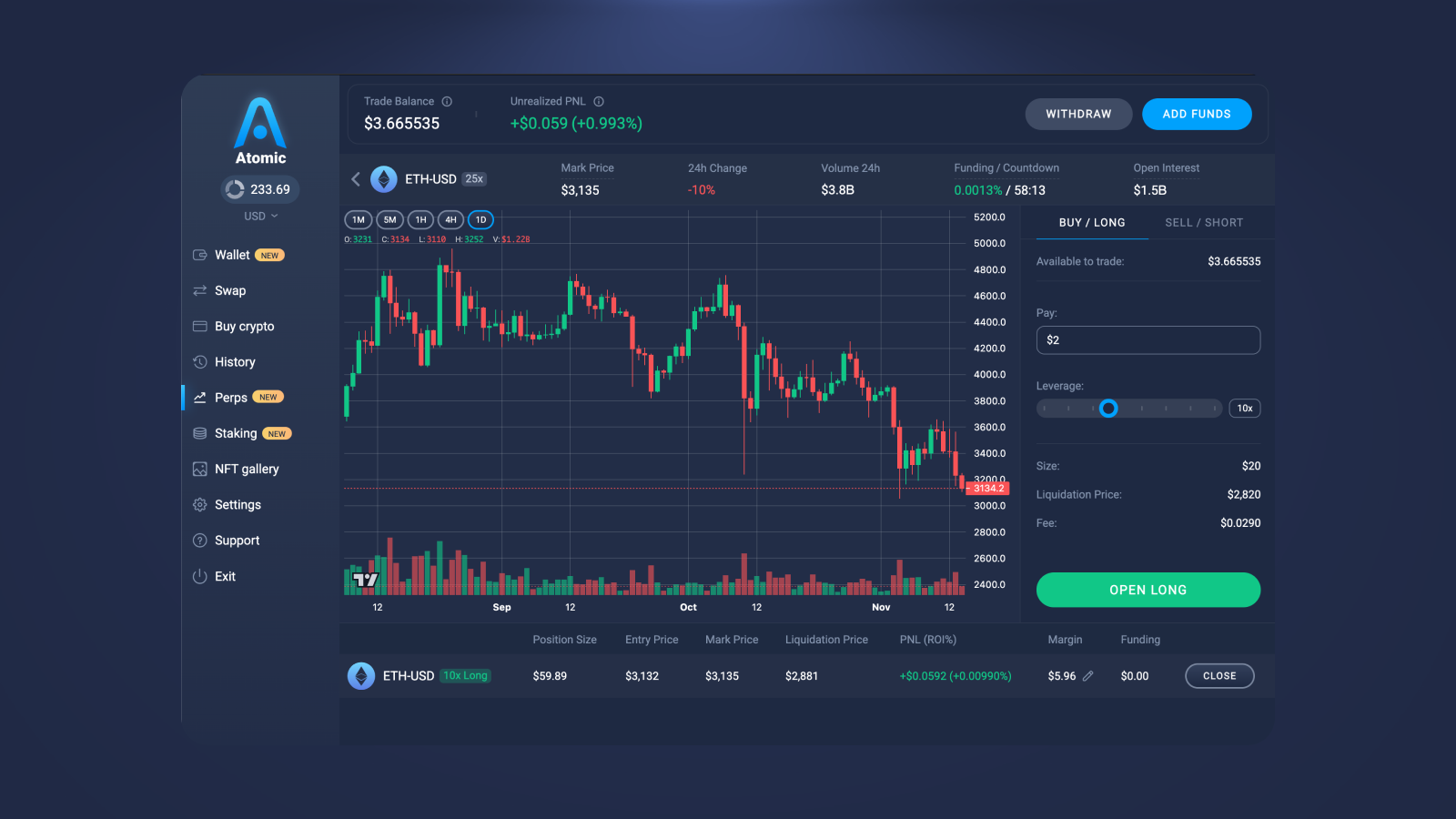
Hyperliquid has quickly become a standout in this space, delivering fast execution, deep liquidity pools, and competitive fees — all decentralized.
Ripple Prime: Making DeFi Feel Like Traditional Finance
Ripple Prime serves as a full-service prime broker tailored for institutions. It bundles custody, financing, margin lending, consolidated reporting, and multi-asset execution into one streamlined interface.
Previously, institutions wanting DeFi exposure had to juggle separate platforms — one for spot crypto, another for derivatives, plus legacy systems for traditional assets. That setup complicated risk oversight and wasted capital.
The Hyperliquid connection changes the equation: clients now tap into genuine on-chain perpetual liquidity while keeping centralized controls, cross-margining across asset classes, and unified risk dashboards.
As Ripple’s leadership highlighted in their February 2026 announcement, this step directly addresses what institutions have been asking for — greater efficiency without sacrificing the innovation that blockchain delivers.

Ways to Diversify Your Crypto Portfolio & Minimize Risk …
Hyperliquid’s Edge and Why Institutions Care
Hyperliquid operates on its own high-performance layer-1 blockchain optimized for derivatives. It supports rapid order books, minimal latency, and robust liquidity even in turbulent markets.
Through Ripple Prime, institutions gain:
- A single trusted relationship instead of dealing with raw DeFi protocols
- Shared collateral across crypto perps, spot positions, and traditional markets
- Professional-grade risk monitoring that includes DeFi exposures
This marks Ripple Prime’s initial foray into fully decentralized venues, showing institutions are increasingly willing to embrace on-chain products when wrapped in familiar safeguards.

The Bigger Picture: Accelerating Institutional Crypto Participation
Institutions manage enormous capital pools. When they participate more comfortably, markets gain depth, price discovery improves, and extreme swings can moderate over time.
This integration removes major friction points — complexity, compliance concerns, and operational silos — that previously kept big money on the sidelines of DeFi derivatives.
For everyday observers, it signals crypto maturing into a legitimate part of global finance, with more stable liquidity and broader acceptance on the horizon.

The Road Ahead: Blending Old and New Finance Seamlessly
The Ripple Prime + Hyperliquid partnership is more than technical plumbing — it’s evidence that traditional finance (TradFi) and decentralized finance (DeFi) are converging into hybrid models.
Institutions unlock fresh opportunities and better liquidity; the on-chain world gains credibility and volume from serious capital.
Whether you’re new to crypto or have followed it for years, moments like this highlight how quickly the financial landscape is evolving — and how accessible advanced tools are becoming for everyone involved.
(References include Ripple’s official February 4, 2026 announcement, coverage from major crypto news outlets like CoinDesk and The Block, and industry analyses on institutional DeFi adoption trends.)