Picture this: You send money to a supplier across the country at 2 a.m. on a Sunday, and the funds settle instantly—while staying safely inside the traditional banking system with full FDIC protection. No more waiting days for wires or relying on unregulated apps. This future just took a major step forward as U.S. regional banks team up to bring tokenized deposits to life using cutting-edge ZKsync technology.
In a landmark move announced on March 17, 2026, a group of prominent regional banks launched development of the Cari Network, the first major U.S. bank-led platform for tokenized deposits built on ZKsync’s Prividium infrastructure. This isn’t crypto hype—it’s regulated banks modernizing everyday money with blockchain speed while keeping everything safe, compliant, and familiar.
What Are Tokenized Deposits, and Why Do They Matter?
Tokenized deposits are simply your regular bank money turned into digital tokens on a blockchain. Each token represents real dollars sitting in a bank account—backed 1:1, fully insured by the FDIC, and always a direct claim on the bank.
Unlike stablecoins (issued by private companies and backed by reserves that may include Treasuries), tokenized deposits remain ordinary bank liabilities. They move instantly between banks via smart contracts but never leave the regulated banking perimeter. This gives businesses and consumers the best of both worlds: lightning-fast transfers with the trust and protections of traditional banking.
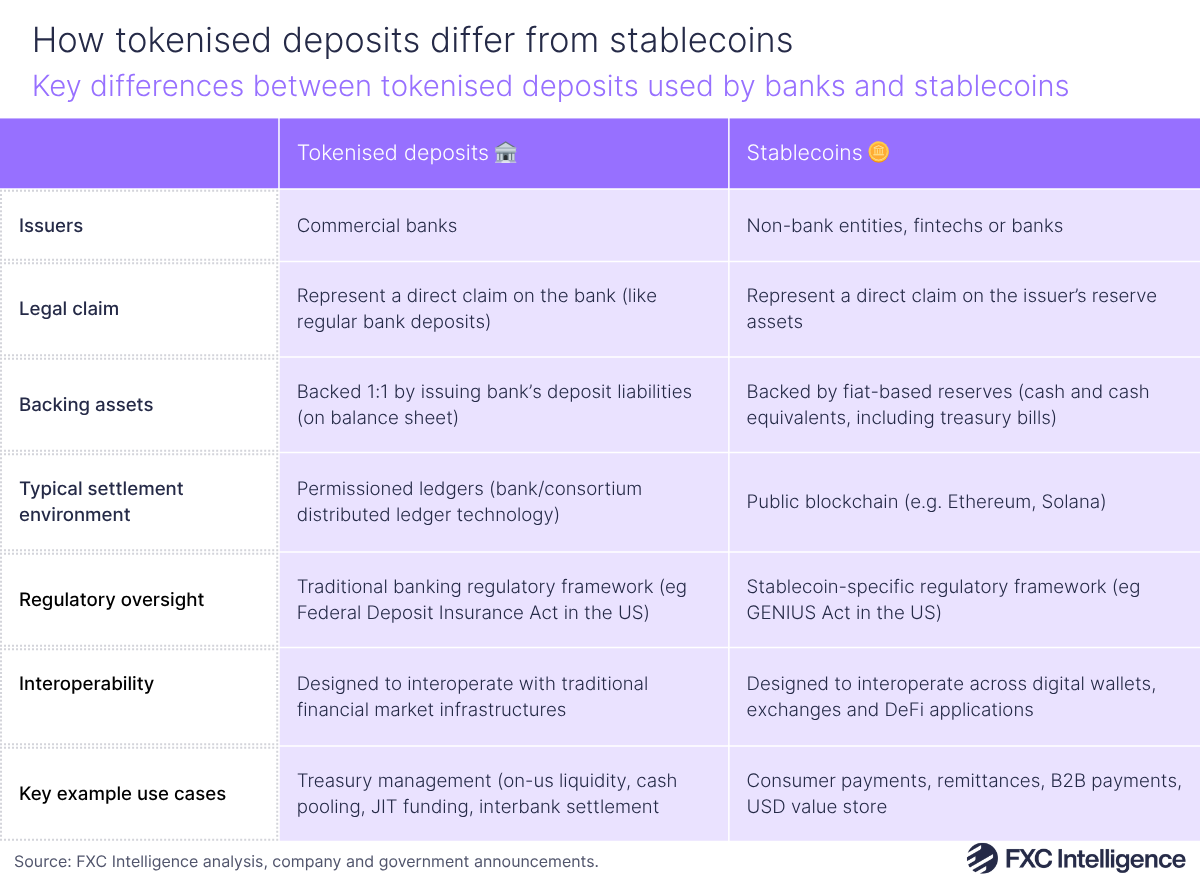
Tokenised deposits see bank interest as a stablecoin alternative
The Banks Behind This Historic Move
Five well-established U.S. regional banks are leading the design and testing:
- Huntington Bancshares
- First Horizon
- M&T Bank
- KeyCorp (KeyBank)
- Old National Bancorp
Together, these institutions manage hundreds of billions in assets and serve millions of everyday customers and businesses across the country. The project also enjoys support from the Mid-Size Bank Coalition of America.
The Cari Network uses a shared, fungible token that works seamlessly across participating banks. Your money feels the same no matter which bank you use, but it stays fully governed by the banks themselves.

Huntington Bank Welcomes a New Era with a Refreshed Brand, New Products and Digital Experiences :: Huntington Bancshares Incorporated (HBAN)
How ZKsync Technology Makes It Possible
ZKsync, developed by Matter Labs, brings powerful zero-knowledge (ZK) proof technology to this project through its Prividium stack. Prividium is a flexible, privacy-first, permissioned Layer-2 framework built on Ethereum standards but designed specifically for financial institutions.
Key advantages include:
- Privacy: Personal information stays off-chain in bank systems, while transactions remain verifiable and auditable.
- Speed and Efficiency: Instant settlement 24/7, even on weekends or holidays.
- Compliance Built-In: Full regulatory oversight, anti-money laundering controls, and seamless integration with existing banking infrastructure.
- Programmability: Smart contracts can automate complex treasury tasks, liquidity management, and settlements.
This setup lets banks issue, transfer, and redeem tokenized deposits securely without exposing sensitive customer data on a public ledger.

Ethereum Scaling Solution zkSync Unveils Latest Prover Tech ‘Boojum’ – Decrypt
Tokenized Deposits vs. Stablecoins: A Clear Distinction
Many people wonder how this differs from popular stablecoins like USDT or USDC. Here’s a simple breakdown:
- Tokenized Deposits: Issued by regulated banks → Direct bank liability → FDIC-insured → Designed for business and interbank use → Stays inside banking system.
- Stablecoins: Often issued by non-bank entities → Claim on issuer’s reserves → Varies in regulation → Popular for crypto trading and retail payments.
Banks see tokenized deposits as a way to compete with stablecoins on speed while offering superior safety and regulatory comfort. The goal isn’t to replace stablecoins entirely but to give customers and businesses a trusted on-ramp that keeps funds in the traditional financial system.
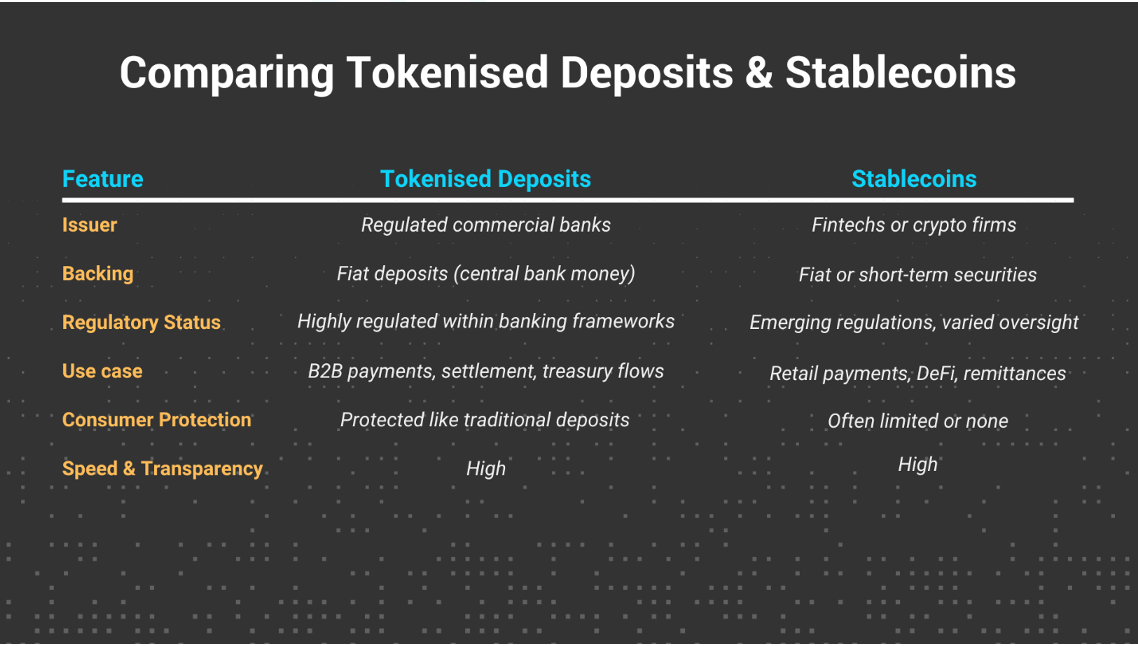
What are tokenised deposits and stablecoins? The future of digital payments explained | by Jonny Fry Editor of Digital Bytes | Medium
What This Means for Everyday People and Businesses
For small businesses, instant 24/7 settlements could transform cash flow management. Imagine paying suppliers or receiving payments without the delays and fees of traditional wires.
For consumers, future apps might let you move money between banks or pay bills with the same ease as sending a Venmo—but with bank-level security.
Early testing focuses on issuance, transfers between banks, and redemption back to regular dollars. Full rollout is targeted for later in 2026, starting with pilot programs among the partner banks.
The Bigger Picture for U.S. Banking
This initiative reflects a broader trend: traditional finance embracing blockchain without giving up control. By tokenizing deposits on a secure, bank-governed network, these regional banks aim to:
- Retain deposits that might otherwise flow to crypto platforms
- Offer modern payment rails that rival fintech and stablecoin solutions
- Strengthen the role of regulated banks in the digital economy
Former U.S. Comptroller of the Currency Gene Ludwig, who leads the Cari Network, has emphasized the importance of keeping money movement within the supervised banking system to support lending and local economies.

How payment cards can help stabilize the crypto ecosystem
Looking Ahead: A New Era of Digital Bank Money
The Cari Network on ZKsync represents the first coordinated effort by U.S. banks to bring tokenized deposits mainstream. While still in the testing phase, it signals a future where your everyday dollars gain superpowers—moving faster, smarter, and more efficiently—without sacrificing the safety you’ve come to expect from your bank.
As the 2026 launch approaches, keep an eye on how your own bank adapts. Whether you run a business needing quicker payments or simply want more convenient banking, tokenized deposits powered by ZKsync could soon make money feel truly 21st-century.
The revolution in bank money is here—and it’s being built by the banks themselves, one secure ZK-proof at a time. Stay tuned as this exciting development unfolds.