
Picture this: You’ve just sent a transaction on Ethereum that’s lightning-fast and dirt-cheap, thanks to cutting-edge scaling tech. But what if a hidden flaw in the system could let someone fake proofs and steal funds? That’s the wake-up call Ethereum faced in 2025, prompting a major pivot toward unbreakable security for its zero-knowledge scaling solutions.
The Big Shift: Why Ethereum Is Putting Security First
Over the past year, zkEVM technology—zero-knowledge Ethereum Virtual Machines—delivered massive wins in speed. Proving times for blocks dropped from minutes to seconds, and costs plummeted by over 45 times. But as the Ethereum Foundation noted in late 2025, raw performance isn’t enough when billions in value are at stake.
Now, the focus is on “provable security.” This means building systems where cryptographic strength can be mathematically verified, reducing risks like proof forgery that could undermine the entire network.
Understanding zkEVM: The Basics Made Simple
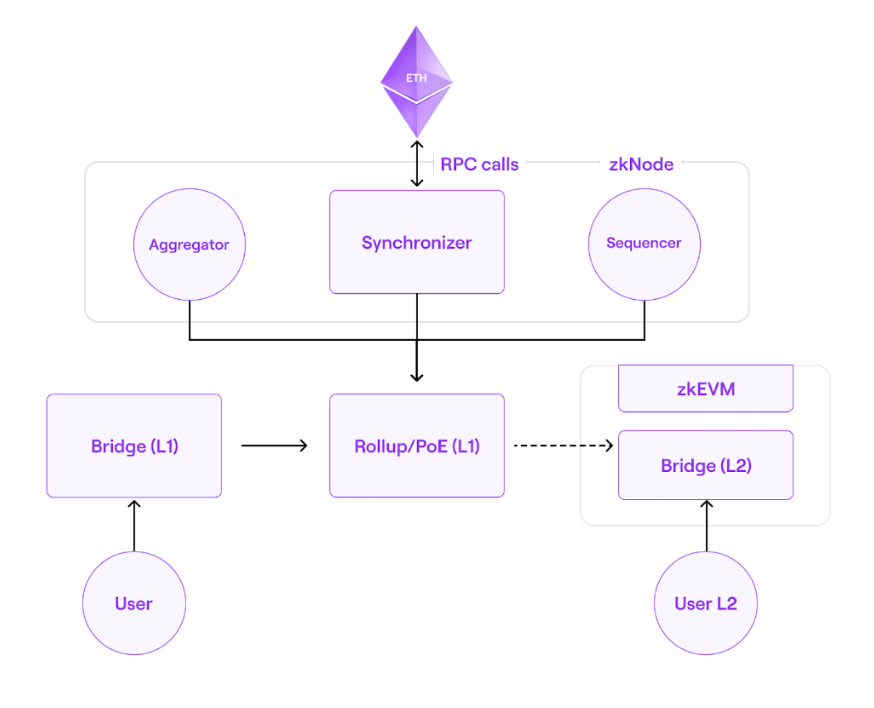
A zkEVM is like a mini version of Ethereum that runs off-chain but proves everything is correct using zero-knowledge proofs. These proofs let you verify transactions without revealing details—think of it as saying “I know the secret password” without actually sharing it.
Projects like zkSync, Scroll, and others use zkEVMs to bundle thousands of transactions, making Ethereum feel faster and cheaper while inheriting its security.
The 2026 Roadmap: Three Key Milestones
The Ethereum Foundation laid out a clear three-phase plan to reach top-tier security by the end of 2026:
- Early 2026: All zkEVM teams integrate with “soundcalc,” a new tool for standardized security measurements.
- Mid-2026: Achieve at least 100-bit security while keeping proof sizes manageable.
- End of 2026: Hit full 128-bit provable security, with proofs under 300 KB and formal checks on complex recursion designs.
This 128-bit standard matches recommendations from global cryptography experts, making it extremely hard for attackers to break.

Balancing Act: Security Without Sacrificing Speed
Stronger security often means larger proofs, which can slow things down. The roadmap tackles this head-on by setting proof size limits and encouraging innovations like better recursion—where proofs verify other proofs efficiently.
Recent advances make these goals realistic, ensuring Ethereum stays scalable for everyday use, from DeFi to gaming.

What This Means for You and the Future of Ethereum
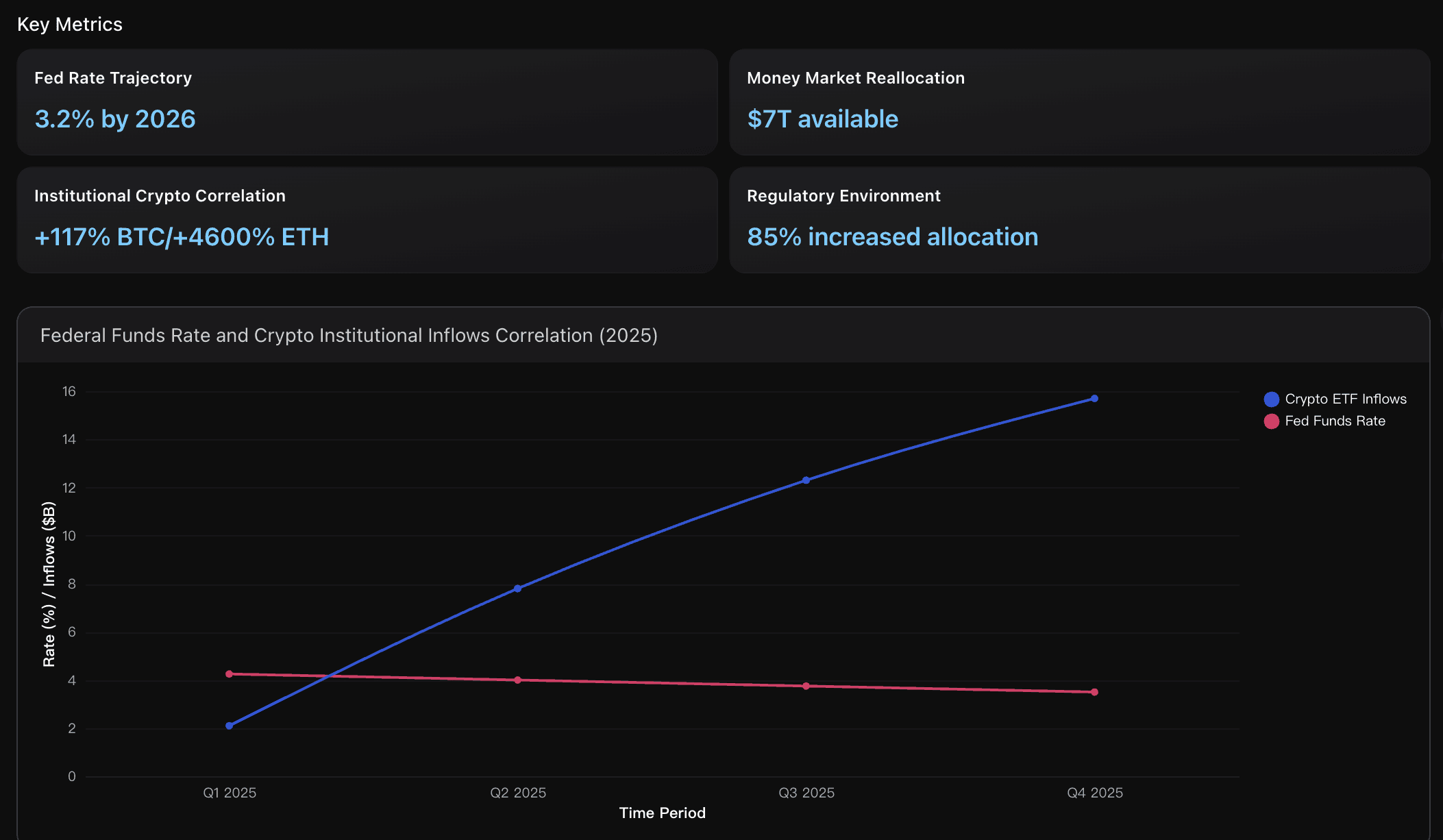
For regular users and investors, these upgrades could make Ethereum more trustworthy for big institutions, potentially driving wider adoption and stable growth. A safer network means less worry about exploits, paving the way for real-world apps like tokenized assets.
As the ecosystem matures, this security focus positions Ethereum as a rock-solid foundation for the next wave of blockchain innovation.

Sources: Ethereum Foundation updates (December 2025), reports from CryptoBriefing, CoinDesk, and Metaverse Post.