What if you could convince a bank you’re creditworthy without handing over your entire financial history, or prove to an app you’re over 18 without sharing your birthdate? In a world drowning in data breaches and privacy scandals, zero-knowledge proofs (ZKPs) offer a clever escape hatch—verifying facts without spilling secrets. This isn’t sci-fi; it’s practical cryptography that’s powering everything from secure voting to blockchain transactions in 2026. If you’ve ever worried about oversharing online, this guide strips away the math jargon to show how ZKPs work for everyday data checks, with real-world tips to get you started.
What Are Zero-Knowledge Proofs?
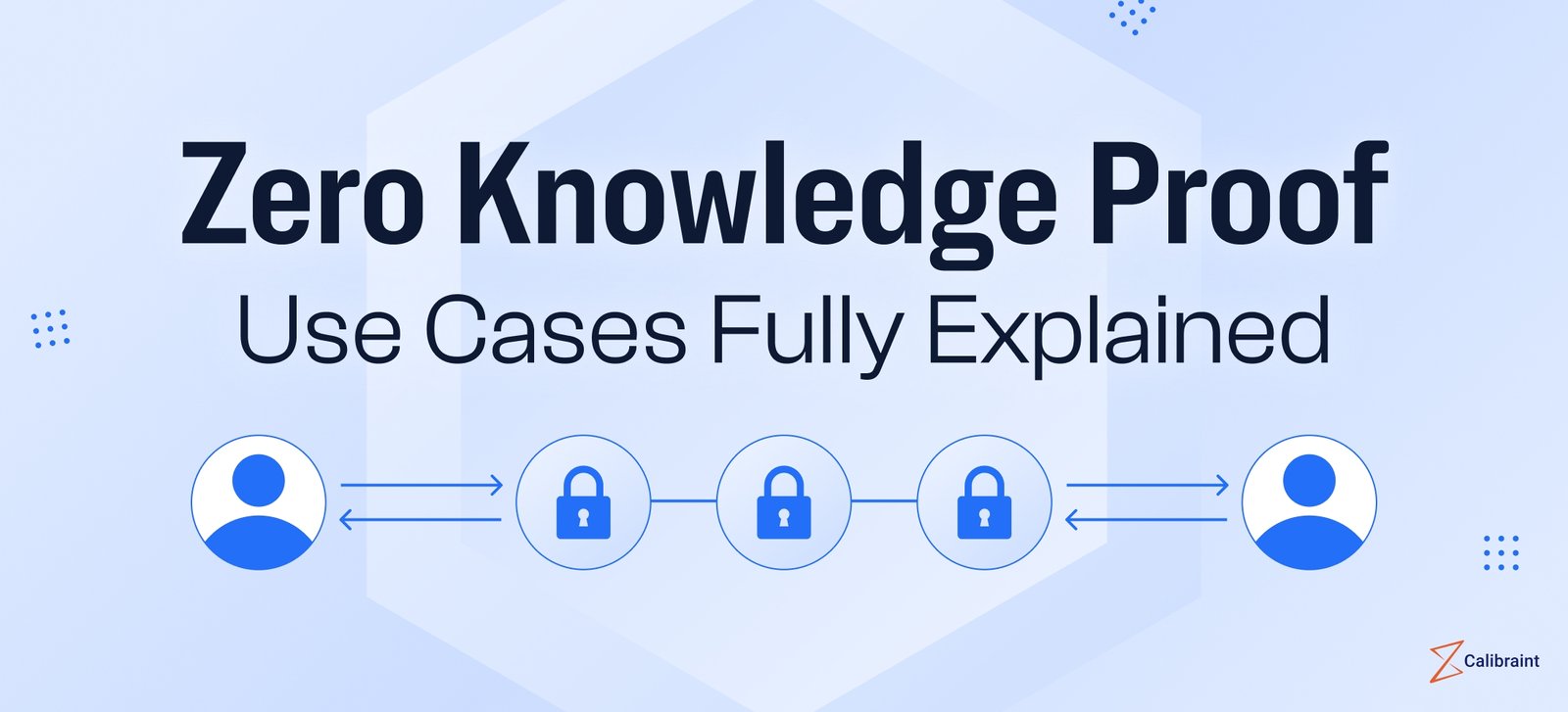
At its heart, a zero-knowledge proof is a way to confirm something is true without revealing why or how you know it. Picture two people: one (the prover) wants to show they have certain info, and the other (the verifier) just needs assurance it’s legit—no extras leaked.
These proofs hit three key marks: completeness (if true, the verifier buys it), soundness (can’t fake it easily), and zero-knowledge (no new info slips out). Born from 1980s research at MIT, ZKPs have evolved from theory to tools that protect privacy in digital life. For data verification, they’re like a locked box: you prove what’s inside matches the claim, but the verifier never peeks.
What is Zero Knowledge Proof? Understanding the Substrate …
How Do Zero-Knowledge Proofs Actually Work?
Let’s break it down with a fun analogy: the “Where’s Waldo?” puzzle. You claim you’ve found Waldo in a crowded scene. To prove it without showing the whole page, you cut out Waldo’s spot, show it, then reassemble to prove no tricks. The verifier sees Waldo exists but not his exact location in the book.
In tech terms, ZKPs use math puzzles. The prover turns data into a “circuit” of equations, runs a computation off-chain, and generates a tiny proof. The verifier checks this proof quickly without seeing inputs. Types like zk-SNARKs (short, non-interactive) make it efficient for real use, handling complex verifications in seconds.
Zero Knowledge Proofs, explained. | by Thinkin Clear | Medium
Real-World Applications for Data Verification
ZKPs shine in spots where trust meets privacy. In healthcare, prove your vaccination status to an airline without exposing medical details—perfect for global travel in a post-pandemic era. Blockchain fans use them for private transactions: confirm you have enough funds without broadcasting your balance.
In AI and machine learning, ZKPs verify model outputs on sensitive data, like proving an algorithm’s fairness without sharing training sets. Even voting systems benefit: voters prove eligibility without linking ballots to identities, boosting turnout while curbing fraud.

Protect Data with Zero Knowledge Proofs | Sedicii
Benefits and Challenges of Using ZKPs
The upsides are huge: ultimate privacy means less risk from hacks, as data stays hidden. They’re verifiable on-chain, cutting fraud in finance or supply chains. Efficiency has improved—proofs now fit in tweets, verifiable in milliseconds.
But hurdles exist: creating proofs demands heavy computing power, though optimizations like hardware acceleration are helping. Setup can be tricky for non-experts, and if not implemented right, subtle bugs could undermine security. Still, with user-friendly tools emerging, these are becoming manageable for everyday devs.

Zero Knowledge Proof: Complete Guide and Applications
Getting Started: Practical Steps for Beginners
Ready to try? Start small with age verification, a classic ZKP demo. Tools like Circom (for circuit design) and snarkjs (for proofs) are free and beginner-friendly.
Step 1: Install Node.js and snarkjs via npm.
Step 2: Write a simple circuit in Circom—e.g., “prove age > 18 without showing age.”
Step 3: Compile, generate keys, create a proof with your data.
Step 4: Verify it publicly.
Online playgrounds like zkREPL let you experiment without setup. For deeper dives, check courses from Berkeley RDI.
As ZKPs go mainstream in 2026, they’re not just for cryptographers—they’re for anyone valuing privacy in a connected world. Start tinkering today, and you’ll be ahead of the curve in securing data without compromise.