Introduction: A New Player in the Crypto Game
Picture this: you’re checking your crypto wallet, and a new kind of digital currency backed by China’s yuan is making waves across the globe. In 2025, China, once a crypto skeptic, is flipping the script with plans for a yuan-backed stablecoin—a move that could shake up the financial world. Unlike volatile coins like Bitcoin, this stablecoin promises steady value and a foothold in global trade. For everyday investors, this isn’t just news—it’s a chance to rethink your portfolio. Let’s dive into what a yuan stablecoin is, why China’s pushing it, and how it could impact your investments, all explained simply and clearly.

What Is a Yuan Stablecoin?
A Stable Coin with Chinese Backing
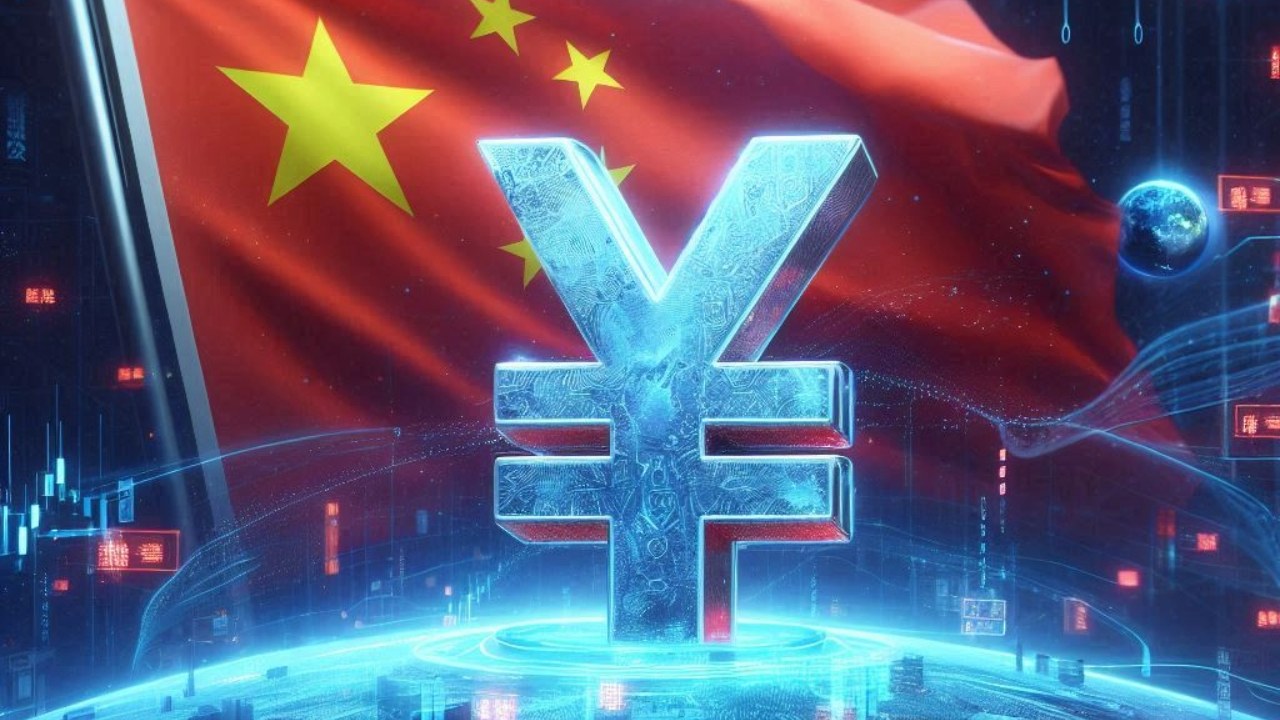
A stablecoin is a cryptocurrency pegged to something steady, like a currency or gold, to keep its value stable. China’s yuan stablecoin, expected to launch in 2025, will be tied to the Chinese yuan (RMB) and likely issued by state-backed firms in Hong Kong or Shanghai. Unlike Bitcoin, which can swing wildly, this coin aims to hold steady, making it ideal for payments and trade. As Forbes notes, China’s exploring this to “strengthen the renminbi’s role in the global economy” while keeping tight control over its financial system.
Why Is China Doing This?
China banned crypto trading and mining in 2021, but the rise of dollar-backed stablecoins like USDT and USDC (worth over $130 billion combined) has Beijing worried about losing financial influence. A yuan stablecoin could power cross-border trade, especially in China’s Belt and Road Initiative countries, without relying on U.S. dollar systems like SWIFT. Posts on X highlight the buzz: “China’s yuan stablecoin could speed up de-dollarization in Asia,” one user noted. This move is about making the yuan a global player, not just a local currency.
How Could a Yuan Stablecoin Affect Crypto Markets?
Shaking Up the Stablecoin Landscape
The global stablecoin market hit $238 billion in 2025, mostly dominated by U.S. dollar-backed coins. A yuan stablecoin could grab a slice of that pie, especially in Asia and Africa, where China’s trade ties are strong. By offering a low-cost, fast way to settle transactions, it could rival USDT and USDC, especially for businesses avoiding dollar-based systems. Cointelegraph reports that this “marks a major policy reversal” for China, aiming to compete with the U.S. in digital finance.

Boosting the Yuan’s Global Reach
Right now, the yuan accounts for just 3% of global payments, compared to the dollar’s 50%. A yuan stablecoin could change that by making it easier for countries to trade in yuan, especially in regions like Southeast Asia or the Middle East. The Diplomat suggests it’s a “strategic counterbalance to Washington’s stablecoin dominance,” potentially shifting how global trade payments work. This could make yuan-based assets more attractive in crypto portfolios.
What Does This Mean for Your Portfolio?
New Opportunities for Diversification
A yuan stablecoin could open new doors for investors. Unlike speculative coins, it’s designed for stability, making it a safer bet for hedging or payments. You could use it to:
- Diversify Currency Exposure: Holding yuan stablecoins could balance your portfolio against dollar-heavy assets, especially if the yuan gains global traction.
- Tap into Trade Markets: If you invest in DeFi or cross-border payment platforms, yuan stablecoins could become a key trading pair, boosting liquidity.
- Lower Risk: Stablecoins are less volatile, offering a calm harbor in the stormy crypto sea.
Risks to Watch
But it’s not all smooth sailing. China’s strict capital controls could limit the stablecoin’s global reach, as regulators fear capital flight. Hokanews warns that “overreliance on dollar stablecoins poses risks to China’s financial independence,” but a tightly controlled yuan stablecoin might lack the flexibility of USDT or USDC. Plus, geopolitical tensions—like U.S. sanctions—could complicate its adoption. Investors should also watch for regulatory clarity, as China’s still figuring out how to balance innovation with control.
How to Prepare Your Portfolio
Tips for Everyday Investors
Ready to navigate this new crypto wave? Here’s how to approach a yuan stablecoin:
- Start Small: Test the waters with a small allocation to stablecoins, keeping most of your portfolio diversified across assets like Bitcoin, Ethereum, or stocks.
- Track Hong Kong’s Role: Hong Kong’s Stablecoin Ordinance, effective August 1, 2025, makes it a testing ground. Follow news on platforms like Reuters for updates on pilot programs.
- Use Trusted Exchanges: If yuan stablecoins list on exchanges like OKX or Binance, ensure you’re using secure platforms with strong compliance.
- Monitor Global Adoption: Watch how Belt and Road countries adopt the yuan stablecoin, as this could signal its long-term value.
Why It’s a Big Deal
Unlike hype-driven tokens, a yuan stablecoin has state backing and a clear purpose: to boost China’s financial influence. It’s not about replacing Bitcoin but about creating a reliable digital currency for trade. With tech giants like JD.com and Ant Group lobbying for it, the infrastructure is already taking shape. As Stablecoin Insider puts it, “Yuan stablecoins could reshape global trade dynamics” by reducing reliance on dollars.
Conclusion: A Game-Changer for Crypto and You
China’s push for a yuan stablecoin in 2025 is a bold move to challenge the dollar’s grip on digital finance. For everyday investors, it’s a chance to diversify with a stable, state-backed asset that could gain traction in global trade. But with China’s tight controls and geopolitical risks, caution is key. By starting small, staying informed, and watching global adoption, you can position your portfolio to ride this wave—or at least avoid getting swept away. The crypto world is changing, and China’s new coin could be a big part of it.

Disclaimer: This article is for informational purposes only and not financial advice. Cryptocurrency investments are highly volatile and risky. Always conduct your own research and consult a professional before investing.