Picture this: a blockchain that’s been quietly powering fast, low-cost payments for years suddenly gets a massive vote of confidence from its biggest backer. In late February 2026, Ripple revealed it has poured more than $550 million into the XRP Ledger (XRPL) ecosystem since 2017. Now, the company is evolving its approach, moving toward a more community-driven and distributed way to fuel future development starting this year.
This isn’t just about throwing money at the problem—it’s a strategic pivot designed to make the XRPL more independent, innovative, and attractive to builders worldwide. For everyday crypto enthusiasts and potential users, it signals stronger long-term growth for one of the most established networks in the space.
A Look Back: How $550 Million Built the XRPL Foundation
Since launching its dedicated support programs in 2017, Ripple has funneled over $550 million into XRPL initiatives. This funding—through non-equity grants, builder incentives, hackathons, accelerators, and partnerships—has helped spark nearly 200 projects in areas like decentralized finance (DeFi), real-world asset tokenization, payments, AI integration, and more.
The investment has turned the XRPL from a niche payment-focused ledger into a versatile platform capable of handling complex applications. As detailed in Ripple’s official insights post on their website (ripple.com/insights/supporting-innovation-on-the-xrp-ledger), this capital has supported global developers and fostered real-world use cases, from cross-border transfers to emerging tokenized assets.
The Big Shift: Why 2026 Marks a Decentralized Turn
Ripple isn’t stepping back—it’s stepping smarter. In 2026, the company is transitioning from mostly centralized funding (where Ripple directly controls much of the allocation) to a broader, more distributed model. This means independent organizations, regional hubs, venture partners, and community-led groups will play bigger roles in deciding where money goes and how projects grow.
Key changes include:
- Launching a dedicated XRPL Funding Hub as a one-stop shop for grants, accelerators, and support programs.
- Introducing the FinTech Builder Program, focused on institutional-grade tools for stablecoins, credit, and tokenization.
- Expanding community governance through initiatives like the hybrid XAO DAO, giving builders and users more say in funding decisions.
- Creating regional entities (such as XRP Asia) to better serve local developers and markets.
This evolution aims to reduce reliance on any single entity, making the ecosystem more resilient and appealing to a wider range of innovators.
New Pathways for Builders and What It Means for Growth
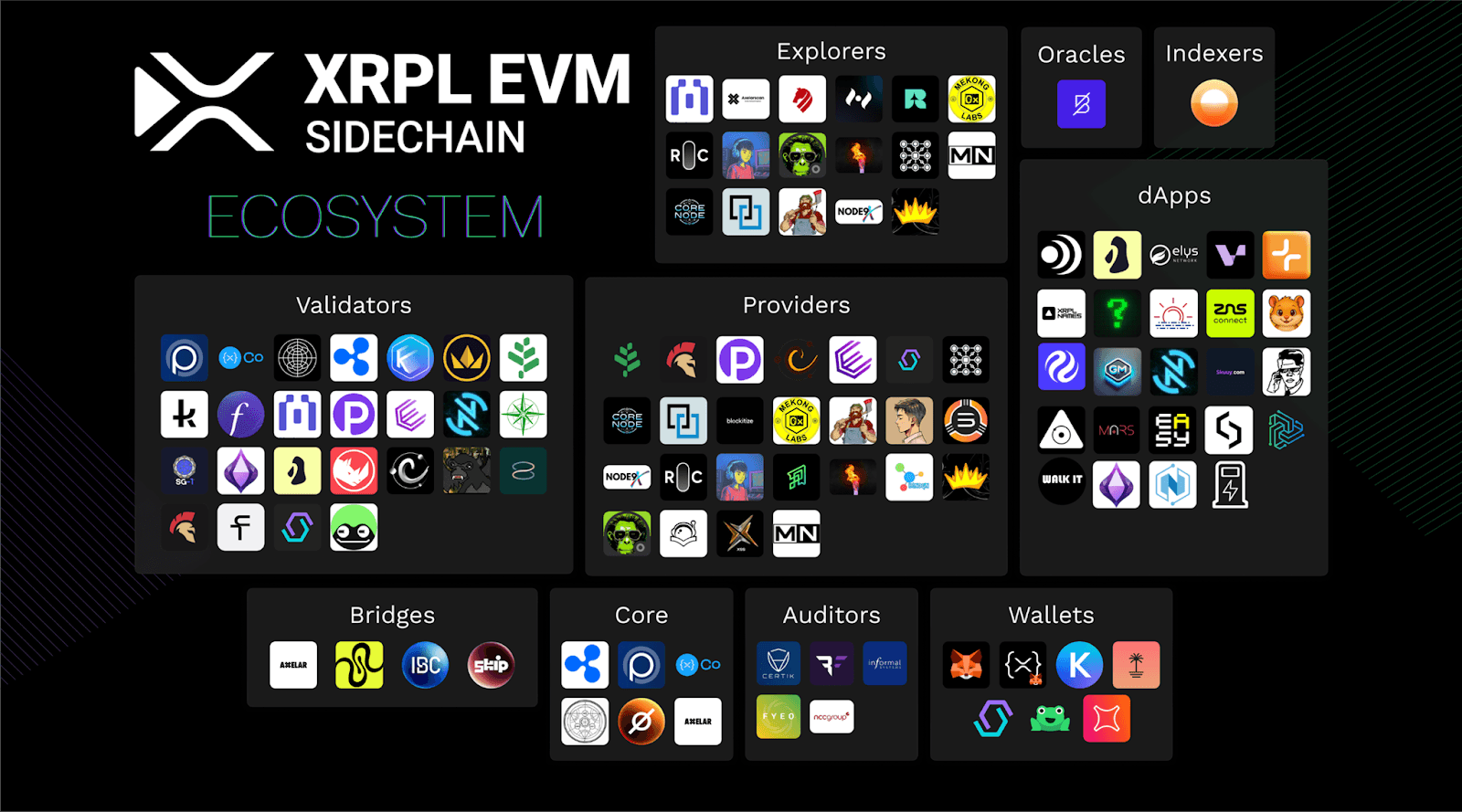
The shift opens fresh doors for developers. Instead of depending mainly on Ripple’s programs (like the now-closed XRPL Grants and Accelerator), builders can tap into multiple channels: DAOs for community votes on funding, venture networks for equity-style support, and regional hubs for tailored help.
Experts see this as a maturity move—similar to how other blockchains have decentralized over time to encourage broader participation. With over $550 million already deployed, the focus now is on sustainable, multi-source growth that could accelerate adoption in payments, DeFi, and beyond.

Why This Matters to Regular Crypto Users and Investors
For the average person dipping into crypto, this news is encouraging. A stronger, more decentralized XRPL could mean faster upgrades, more reliable apps, and potentially wider real-world use—like quicker international money transfers without high fees.
It also shows Ripple’s long-term commitment to XRP’s utility, even as the company broadens its strategy. Backed by institutional interest (including support from partners like SBI Holdings in Japan), the changes position the ledger for bigger things in 2026 and beyond.
Of course, crypto remains volatile—prices can swing based on market sentiment, regulations, and broader trends. But with this funding history and structural upgrade, the XRPL looks set for an exciting phase.

As the ecosystem becomes more community-powered, everyday users and developers alike stand to benefit from a network that’s built to last and innovate. Keep an eye on the XRPL Funding Hub launch—it’s likely to become the go-to spot for what’s next in XRP Ledger development.