Ever wondered if the Wild West of cryptocurrency is finally getting tamed, or if it’s just another showdown? Enter the latest twist: Unicoin, a real estate-backed crypto platform, is firing back at the U.S. Securities and Exchange Commission (SEC) over a whopping $100 million fraud accusation. This isn’t your average regulatory slap; it’s a courtroom battle that could redefine how crypto firms operate and what investors expect. As we dive in, we’ll explore the drama, the defenses, and why this matters for anyone eyeing digital assets in 2025.
The Ongoing SEC Crackdown on Crypto
The SEC has been on a mission to police the crypto space, viewing many tokens as unregistered securities that need to follow traditional investment rules. From high-profile cases against giants like Binance and Coinbase to smaller players, the agency argues it’s protecting investors from hype and hidden risks. In 2025 alone, the SEC has ramped up enforcement, with over 50 actions targeting fraud and non-compliance.
This regulatory heat stems from a post-FTX world, where collapses exposed vulnerabilities. The SEC’s stance? Crypto isn’t above the law—securities must be registered, and promises to investors can’t be empty. Unicoin’s case fits right into this narrative, highlighting tensions between innovation and oversight.

What Is Unicoin and Its Business Model?
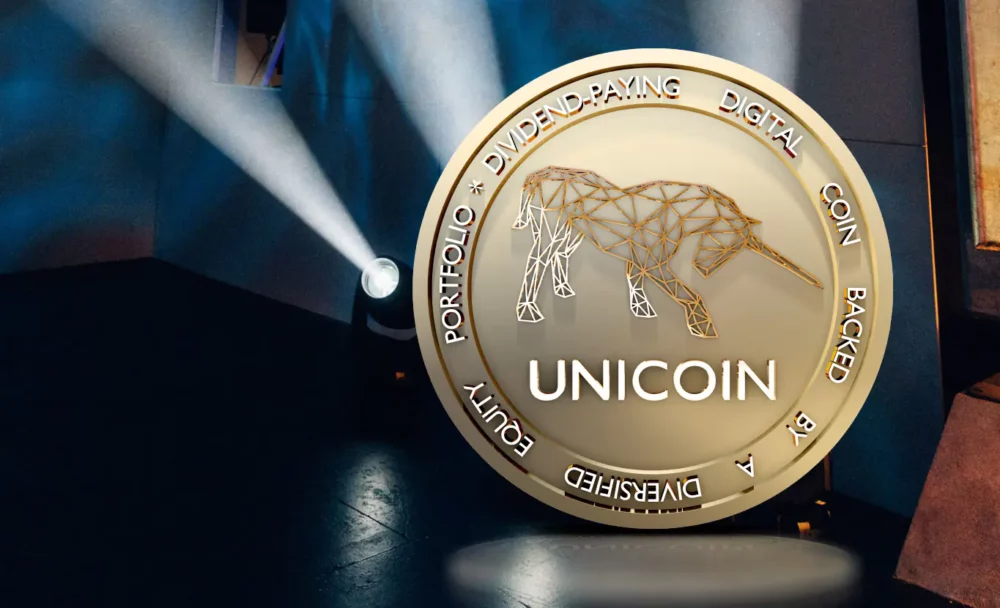
Unicoin isn’t your typical meme coin or speculative token; it’s pitched as a stable, asset-backed cryptocurrency. Founded by entrepreneur Alex Konanykhin, the company claims to back its tokens with a portfolio of real estate and other tangible assets, aiming to reduce volatility and appeal to cautious investors. Since launching, Unicoin has raised funds through token sales, attracting over 5,000 buyers with promises of high returns and security.
The idea is simple: Buy Unicoin tokens, and you’re essentially investing in a diversified real estate fund via blockchain. This model has drawn interest in a market weary of pure speculation, but it also caught the SEC’s eye for potentially skirting securities laws.
Details of the SEC’s $100 Million Fraud Lawsuit
Back in May 2025, the SEC dropped a bombshell lawsuit against Unicoin and three executives, including CEO Konanykhin. The charges? Allegedly misleading investors by inflating fundraising figures, exaggerating asset backing, and making false claims about token attributes. The agency says Unicoin raised over $100 million while hiding that much of the “backing” was illusory or overvalued.
Key allegations include misrepresentations in marketing materials and filings, where Unicoin touted extreme growth potential without basis. The SEC seeks to recover funds, impose penalties, and bar executives from future offerings. As one filing states, this is about ensuring “investors aren’t lured by false promises in the crypto frontier.”

Unicoin’s Bold Response and Motion to Dismiss
Fast forward to late August 2025, and Unicoin isn’t backing down. In a fiery court filing, the company moved to dismiss the case, accusing the SEC of “distorting” its disclosures and cherry-picking quotes to build a narrative of fraud. Unicoin argues there’s no evidence of “scienter”—the legal term for intent to deceive—and that all information was transparently shared in public filings.
Executives claim the SEC misrepresented asset valuations and ignored context, like market fluctuations. “This is selective enforcement at its worst,” Unicoin’s brief asserts, positioning the fight as a stand for crypto innovation against overreach. This challenge could drag on, but it’s already sparking debates on social media and among legal experts.
Broader Implications for the Crypto Industry
If Unicoin wins dismissal, it might embolden other firms to push boundaries, signaling that asset-backed tokens can thrive with proper transparency. On the flip side, a SEC victory could tighten the noose, forcing more projects to register as securities and slowing innovation.
For everyday investors, this underscores the need for due diligence—check filings, understand risks, and diversify. As crypto matures, cases like this could lead to clearer rules, making the space safer. Analysts predict that by 2026, regulated tokens might dominate, blending blockchain’s speed with traditional safeguards.
What Investors Should Do Next
Navigating this? Start by monitoring official sources like the SEC’s website for updates. If you’re holding Unicoin or similar tokens, consult a financial advisor—volatility is part of the game, but informed choices win out. This saga reminds us: Crypto’s potential is huge, but so are the pitfalls.
In essence, Unicoin’s challenge to the SEC’s $100M suit is more than a legal spat—it’s a microcosm of crypto’s fight for legitimacy. As the dust settles, it could pave the way for a more balanced ecosystem. Stay tuned; the next chapter in this regulatory rodeo might just surprise us all. What’s your view— is the SEC overstepping, or protecting the public?