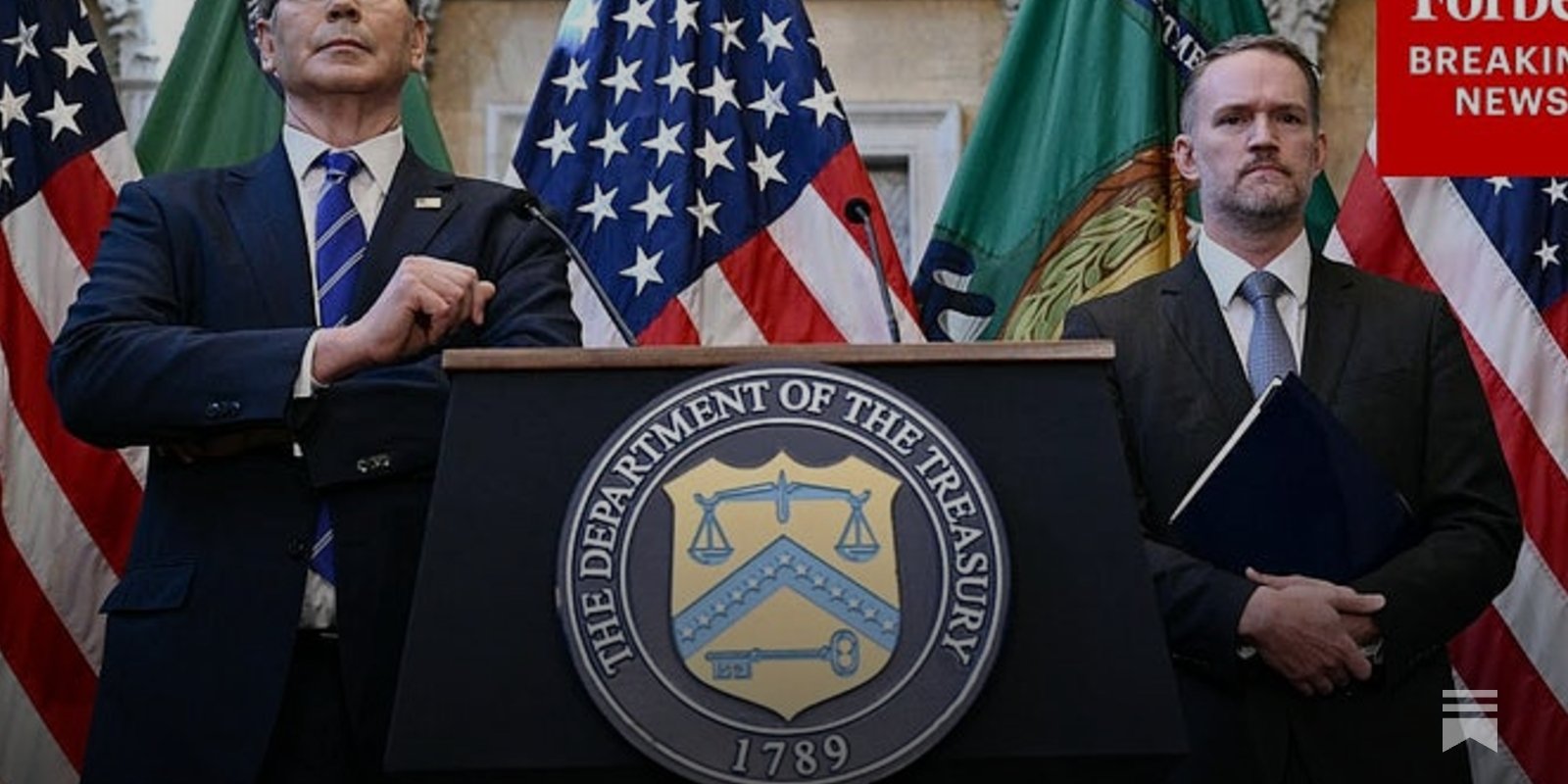
Picture this: the U.S. government quietly steps in and buys back $15 billion of its own old loans from investors. No drama, no headlines screaming across every screen — just a routine-sounding move that just shattered records and could quietly shape your wallet for years to come.
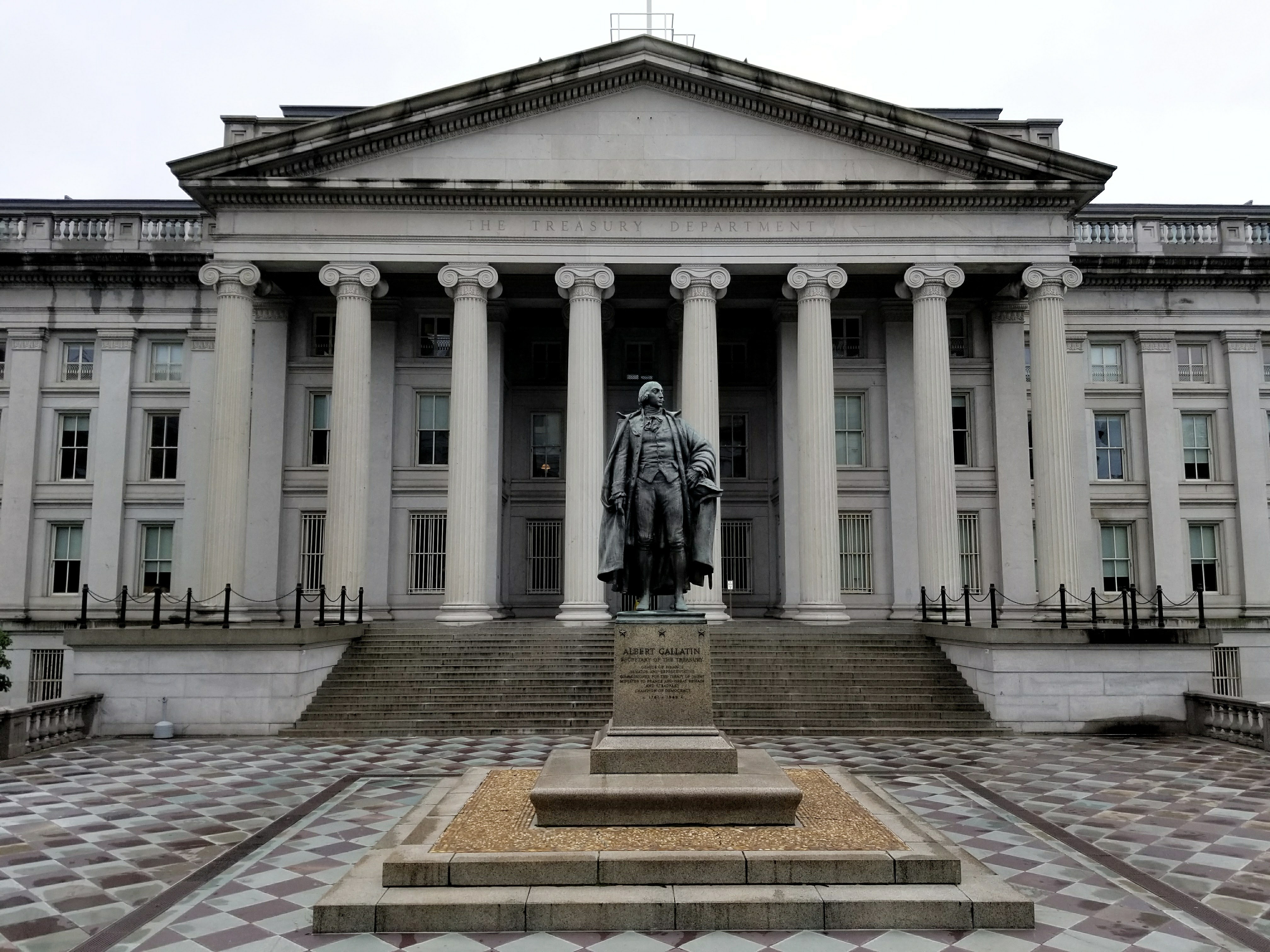
Treasury Building (Washington, D.C.) – Wikipedia
This isn’t some abstract Wall Street game. On March 17, 2026, the U.S. Department of the Treasury executed its largest-ever debt buyback operation, snapping up up to $15 billion in older Treasury securities. For everyday folks trying to keep up with bills, mortgage rates, and grocery prices, understanding this “inside baseball” move actually matters more than you might think.
What Exactly Is a Debt Buyback — And Why Should You Care?
Think of it like this: the government owes money through Treasury bonds and notes, kind of like giant IOUs it sold to investors worldwide. Some of these older IOUs (called “off-the-run” securities) aren’t traded as actively anymore.
By buying them back, the Treasury injects cash directly into the financial system and removes older debt from circulation. It’s a smart housekeeping tool to keep the massive $27 trillion Treasury market running smoothly.

475 Treasury Bonds Stock Photos – Free & Royalty-Free Stock Photos from Dreamstime
In plain English? It’s similar to you paying off an old credit card balance early so you have more breathing room in your monthly budget. The Treasury did exactly that on a gigantic scale this week — targeting securities maturing between April 2026 and March 2028.
Breaking Down the Record-Setting Numbers
The operation wasn’t small potatoes. The Treasury announced a maximum purchase of $15 billion and accepted offers across dozens of different securities. Market participants offered more than $33 billion worth, showing strong interest.
This topped the previous week’s already-record $14.7 billion buyback, making it officially the largest single-day debt repurchase in U.S. history.
Official results show the Treasury carefully selected which bonds to buy at specific prices, all conducted through the Federal Reserve Bank of New York in a short two-hour window.
Why Now? The Real Reasons Behind the Move
The Treasury runs these buybacks regularly as part of normal debt management — but this one stands out for its size. The main goals:
- Boost liquidity so investors can easily buy and sell Treasuries
- Help manage the government’s cash balance without needing to borrow as much new money
- Keep borrowing costs low for everyone
In a world where the U.S. national debt keeps climbing, these operations help prevent market glitches that could spike interest rates across the economy.

Public debt U.S. 2024| Statista
How This Historic Step Affects Everyday Americans
Here’s where it gets personal. The Treasury market sets the benchmark for nearly every loan in America — from your 30-year mortgage to car loans and even credit card rates.
When the government keeps this market healthy:
- Mortgage rates tend to stay steadier
- Businesses can borrow more easily to grow and hire
- Your retirement savings in bond funds stay more stable
Analysts note this buyback supports broader financial stability at a time when the national debt stands at record highs. It doesn’t erase the debt, but it helps manage it more efficiently so the burden doesn’t land harder on future taxpayers.
Expert Views and Market Reaction
Financial experts describe the move as a positive signal of proactive management. The bond market reacted calmly, with yields holding steady — exactly what officials hoped for.
This fits into the Treasury’s bigger quarterly plan, which includes tens of billions more in buybacks for liquidity and cash management throughout 2026.
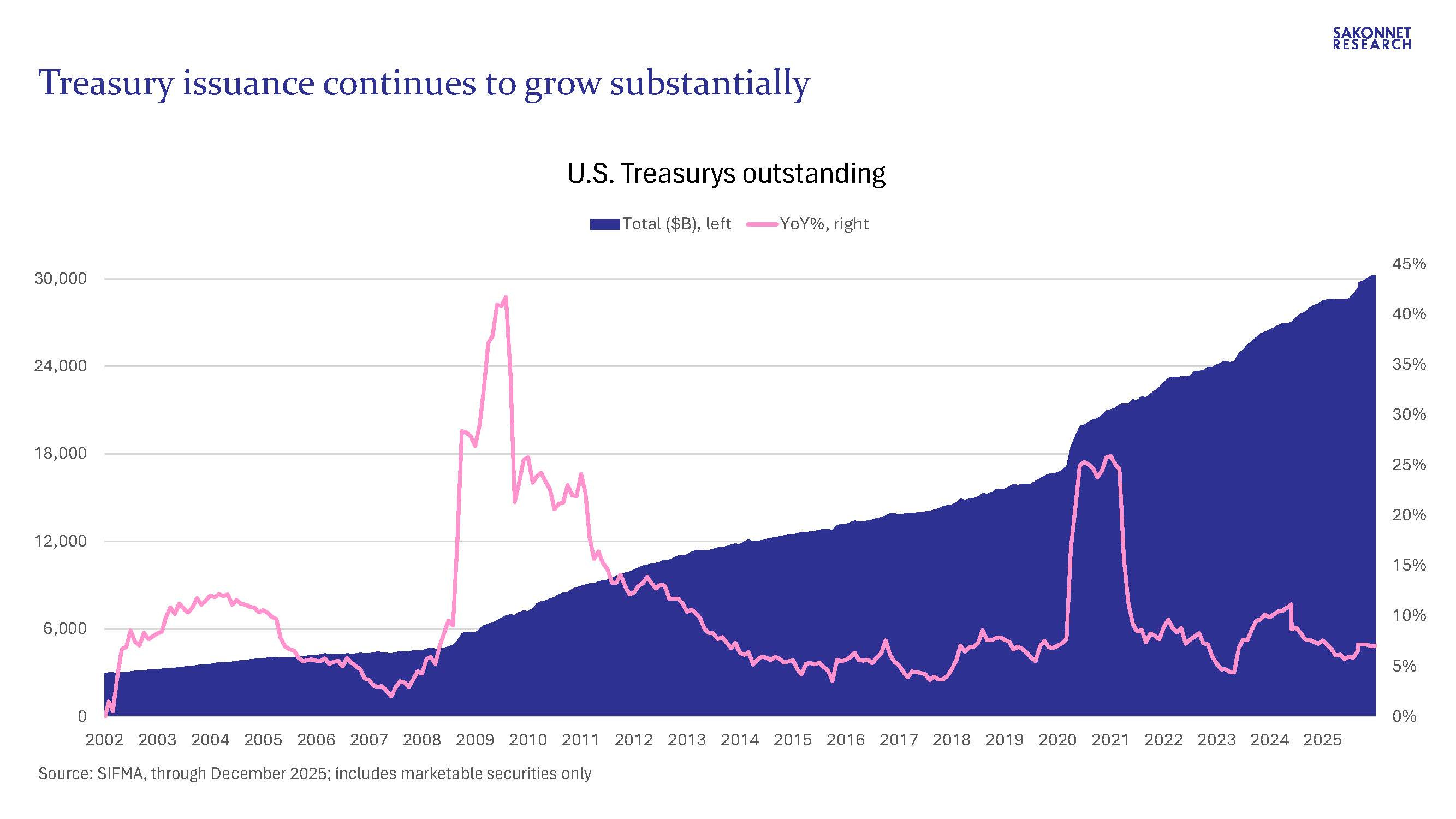
A Short Primer on Treasury Buybacks – by Adam Josephson
What Comes Next for U.S. Debt Strategy?
Don’t expect this to be the last headline. The Treasury has already scheduled more operations and released a tentative buyback calendar for the rest of the year.
As the national debt continues growing, these record buybacks could become a regular tool for keeping markets calm. For the average person, that means more predictable interest rates and a slightly smoother economic ride ahead.
The bottom line? This “historic” $15 billion debt buyback isn’t just government paperwork — it’s a behind-the-scenes move designed to protect the financial foundation we all rely on. The next time you hear about Treasury operations, you’ll know exactly why they matter to your daily life.