In the shadowy underbelly of the crypto world, where fortunes vanish overnight and trust is as fragile as a blockchain link, Faruk Fatih Özer’s story reads like a thriller gone wrong. Once hailed as a visionary in Turkey’s booming digital asset scene, the Thodex founder now lies at the center of a chilling mystery: discovered lifeless in a high-security cell, just days ago. Was it the weight of an unimaginable 11,196-year sentence that pushed him over the edge, or does this scream cover-up in a saga riddled with billions stolen and lives upended? As investigators scramble and victims whisper doubts, one thing’s clear—this isn’t just a death; it’s a puzzle that could rewrite the rules of crypto accountability. Let’s peel back the layers on a tale that’s equal parts heartbreak and high stakes.
The Rise and Ruin of Thodex: From Startup Darling to $2.6 Billion Nightmare
Flash back to 2017. Turkey’s lira was in freefall, inflation biting at heels, and folks were flocking to crypto like moths to a neon flame. Enter Faruk Fatih Özer, a high-school dropout turned entrepreneur, who launched Thodex with a modest ₺400,000 ($13,000 at the time). What started as a scrappy exchange quickly ballooned into one of the country’s top platforms, boasting over 400,000 users chasing Bitcoin dreams amid economic chaos.
Özer positioned Thodex as the go-to spot for lira-to-crypto swaps, promising low fees and lightning trades. By early 2021, it handled millions daily, riding the global bull run. But cracks showed fast. Users reported glitchy withdrawals, and whispers of liquidity woes bubbled up. Then, on April 21, 2021, the hammer dropped: Thodex froze all outflows, citing a vague “temporary suspension” for “international investigations.” Özer vanished, jetting off to Albania with, prosecutors later claimed, user funds in tow.
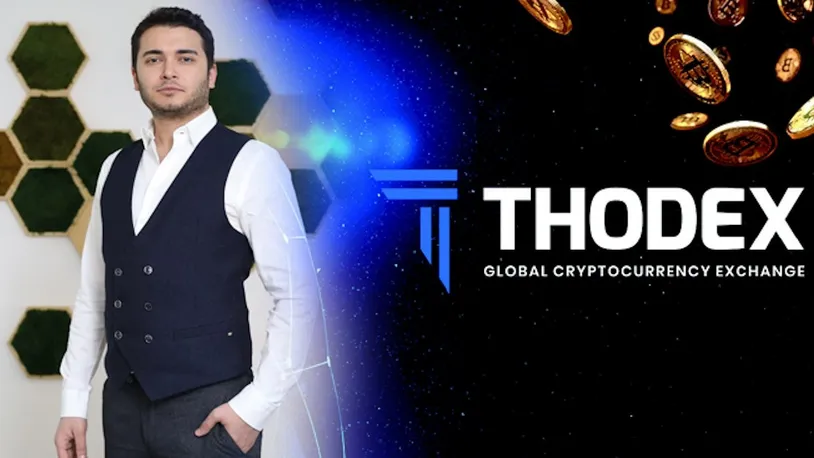
The fallout? Devastating. Blockchain sleuths at Chainalysis pegged losses at $2.6 billion across 400,000 accounts—many from everyday Turks who’d poured life savings into the platform. Retirees, young families, even farmers: All left high and dry. Protests erupted in Istanbul, with crowds chanting for justice outside the exchange’s ghost office. Turkey’s Financial Crimes Investigation Board (MASAK) traced ₺253.7 million ($8.9 million) funneled to Özer-linked wallets in Malta, painting a picture of deliberate siphoning. It wasn’t just theft; it was a gut punch to a nation betting big on digital gold.
The Chase and the Crushing Verdict: From Fugitive to Inmate
Özer’s escape was straight out of a spy novel. Holed up in Albania under a false name, he posted a bizarre video manifesto: “I considered suicide or surrender, but chose to fight and repay debts,” he claimed, vowing to return funds from “abroad.” Fat chance. Interpol slapped a red notice, and Albanian cops nabbed him in Tirana on August 30, 2022, after a tip-off. Extradited to Istanbul in April 2023, he faced the music: Charges of aggravated fraud, money laundering, and helming a criminal syndicate.
The trial was a spectacle. Özer’s siblings—brother Güven and sister Serap—sat beside him, accused of aiding the scheme. Prosecutors laid out a web of deceit: Fake trades, insider transfers, and a “criminal organization” that preyed on trusting users. In September 2023, an Istanbul court dropped the gavel: 11,196 years each for the trio—a symbolic tally reflecting victim counts, not literal time served. Özer, once a crypto wunderkind, was shipped to Tekirdağ F-Type High Security Closed Prison, a fortress of isolation dubbed “the tomb” by inmates for its solitary cells and stark silence.
Life inside? Bleak. Human rights watchdogs like Amnesty International have slammed F-Type facilities for psychological tolls—prolonged isolation fueling despair. Özer’s lawyer, Sevgi Erarslan, later told DL News his client’s “passing has deeply shaken us,” hinting at a man unraveling under the strain.

The Discovery: A Hanged Man in Solitary—What Officials Say
Saturday, November 1, 2025: Prison guards at Tekirdağ make routine rounds. In Özer’s single-occupancy cell, they find him unresponsive, suspended by a bedsheet from the bathroom fixture. No signs of struggle, no forced entry—just a quiet end in a place built to contain chaos. Justice Minister Yılmaz Tunç confirmed the grim news to state broadcaster TRT: “Initial findings indicate suicide,” but a full probe—autopsy, forensics, witness interviews—is underway.
Bloomberg and Crypto Briefing echoed the reports, noting the cell’s isolation minimized external interference. Özer’s defense team expressed shock but held back on speculation, per local outlets. On X (formerly Twitter), the news rippled fast: One user posted, “Thodex founder dead in jail—suicide? After stealing billions? Justice or just the end?” capturing the raw mix of schadenfreude and skepticism.
For many, the “why” feels obvious: A lifetime of regret, hounded by ghosts of ruined lives. But in a case this explosive, nothing’s ever that tidy.
Whispers of Foul Play: Victims Demand Answers, Conspiracy Theories Brew
Not everyone’s buying the suicide line. Victims’ lawyer Meltem Banko told DL News the timing “raises serious questions,” pointing to unresolved appeals and fresh regulatory scrutiny on Thodex’s lingering assets. Why now, with Turkey’s new crypto laws (enacted May 2024) mandating audits and reserves that could expose more accomplices? Online forums buzz with theories: Silenced by powerful backers? A hit to bury evidence of bigger players? The Merkle News even floated “suicide or cover-up,” noting Özer’s video hints at external pressures.
Skeptics cite the prison’s rep—F-Type spots have seen suspicious deaths before, per human rights reports. No note found yet, and the bedsheet method? Common in suicides, but in a monitored cell? Cameras were off for “maintenance,” officials say, fueling the fire. As one X post quipped, “From $2B heist to hanging sheet—too poetic for coincidence.”
Echoes in Crypto: A Wake-Up Call for the Digital Wild West
Özer’s end isn’t isolated—it’s a stark reminder of crypto’s double-edged sword. Thodex’s implosion turbocharged Turkey’s regs, birthing the 2024 Digital Assets Law for user protections like segregated funds. Globally, it echoes FTX’s Sam Bankman-Fried saga: Charisma crumbles to cuffs, and questions linger. For everyday investors, the lesson? Vet exchanges like your wallet’s life depends on it—proof-of-reserves, cold storage, red flags on hype.
As CoinTribune notes, this “textbook example” underscores governance’s role: Without it, 24/7 markets morph into minefields. Victims still chase scraps via class actions, but closure? Elusive.
Final Threads: Justice Served, or Story Silenced?
Suicide or foul play, Faruk Fatih Özer’s death snaps the final thread on Thodex’s tapestry of tragedy. For the defrauded, it’s bittersweet—no more appeals, but no full reckoning either. As probes grind on, one victim’s X lament sums it: “He stole our futures; now death steals his answers.” In crypto’s unforgiving arena, this saga warns: Build on sand, and the tide always comes. What’s your take—tragic end or timely exit? The blockchain remembers; the courts, maybe not.