Imagine turning your garage into a mini Bitcoin mining powerhouse or scaling a huge industrial site without being locked into expensive, secret software from big vendors. That’s exactly what Tether just made possible.
In early February 2026, Tether — the company behind the USDT stablecoin — dropped a game-changer for anyone interested in Bitcoin mining. They released MiningOS (MOS), a fully open-source operating system built specifically for running, watching, and automating Bitcoin mining setups of every size. Announced at the Plan ₿ Forum in San Salvador, this move shakes up an industry where big players have long controlled the tools miners depend on.
Why Bitcoin Mining Needs Better Tools
Bitcoin mining isn’t just about powerful computers solving math puzzles anymore. Modern setups juggle hardware like ASIC miners, massive amounts of electricity, cooling systems, and real-time data from multiple locations. Traditional mining software often comes from a few big hardware makers. These programs charge ongoing fees, limit what you can change, and sometimes include hidden features that keep miners tied to specific brands.
Tether’s CEO, Paolo Ardoino, has pushed back against this closed approach for a while. By making MiningOS free and open under the Apache 2.0 license, Tether aims to cut those barriers. Miners no longer have to pay recurring costs or worry about vendor lock-in. Instead, they get a system that’s transparent, customizable, and community-driven.
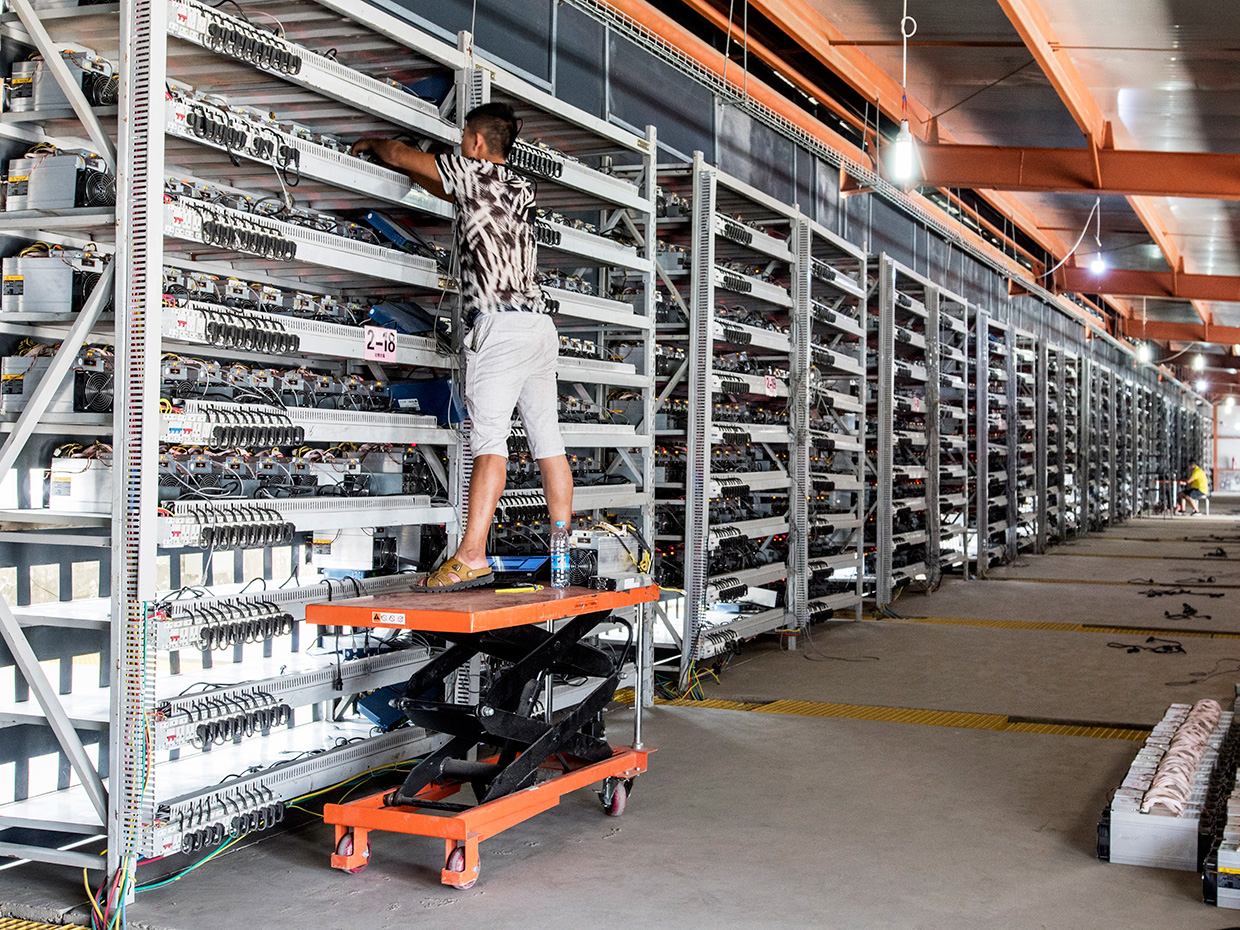
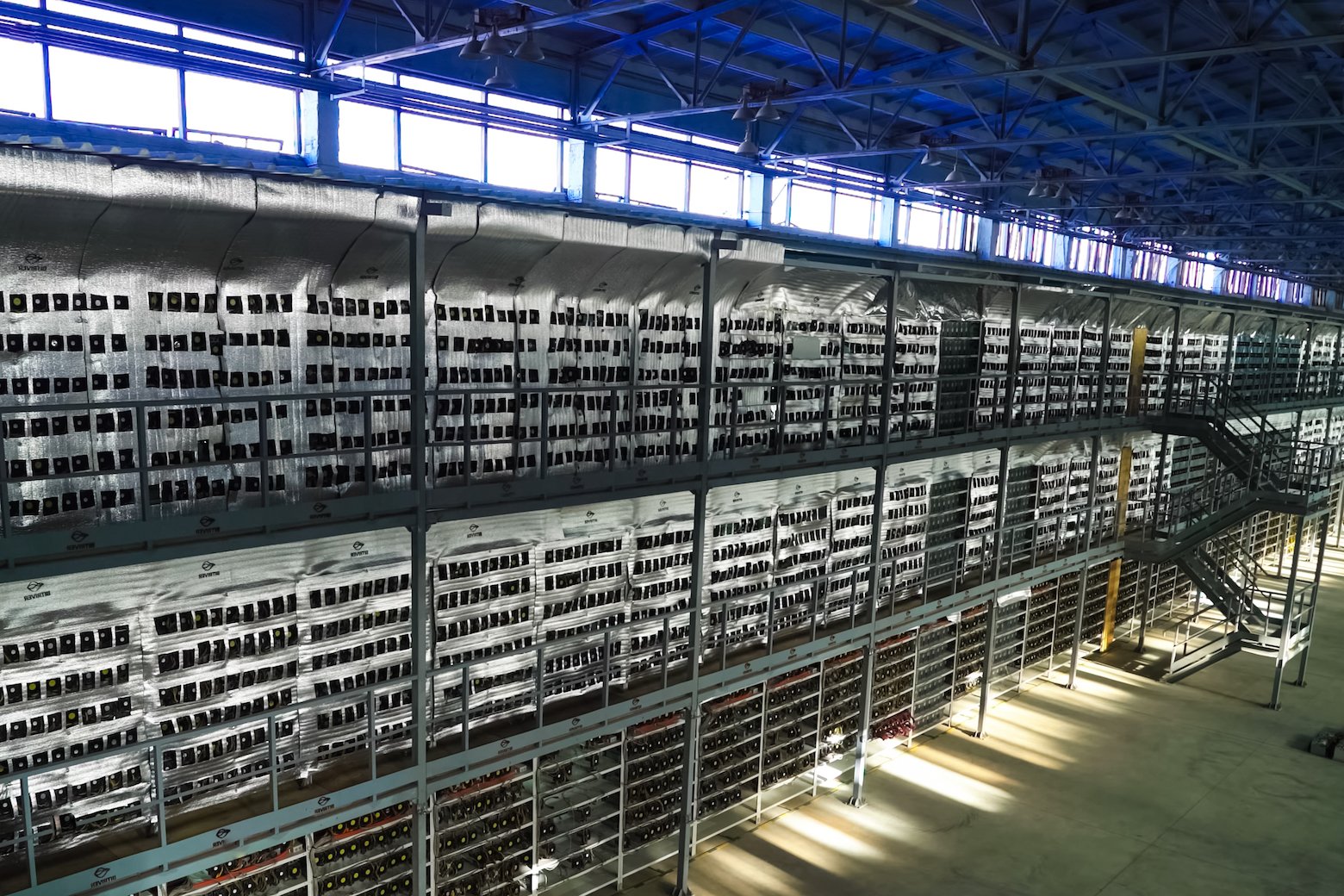
(Image: Rows of ASIC miners in a large-scale industrial Bitcoin mining farm, illustrating the massive operations that MiningOS can manage.)
What Makes MiningOS Stand Out
MiningOS is designed as a modular and scalable platform. Think of it like Lego blocks for mining: you pick what you need and build from there.
- It handles everything in one place — hardware monitoring, energy usage, temperature controls, and performance data.
- Built on peer-to-peer (P2P) technology from Holepunch protocols, it skips centralized servers. No backdoors, no third-party trackers — just direct, secure connections.
- Works for tiny home rigs (even on a Raspberry Pi) all the way up to gigawatt-scale industrial farms.
- Self-hosted, so you control your data and operations without relying on someone else’s cloud.
This isn’t just theory. Tether built MiningOS from real-world mining experience and released it for anyone to use, tweak, or improve. The open-source community can now add features, fix bugs, and adapt it faster than any single company could.
Tether Launches MiningOS: A Major Win for Open-Source Bitcoin …
(Image: Conceptual graphic highlighting MiningOS as a sovereign, open-source tool for Bitcoin mining infrastructure.)
Who Benefits from This Launch?
- Hobbyists and small miners — Start mining at home without expensive proprietary software eating into slim profits.
- Large operations — Run multiple sites efficiently, save on vendor fees, and customize for better energy management.
- The whole Bitcoin network — More open tools mean more people can join mining, which helps keep the network decentralized and secure.
According to reports from Bitcoin Magazine and CoinDesk (February 2026), this release directly challenges the dominance of proprietary systems. It could lower entry costs and encourage innovation in mining infrastructure.
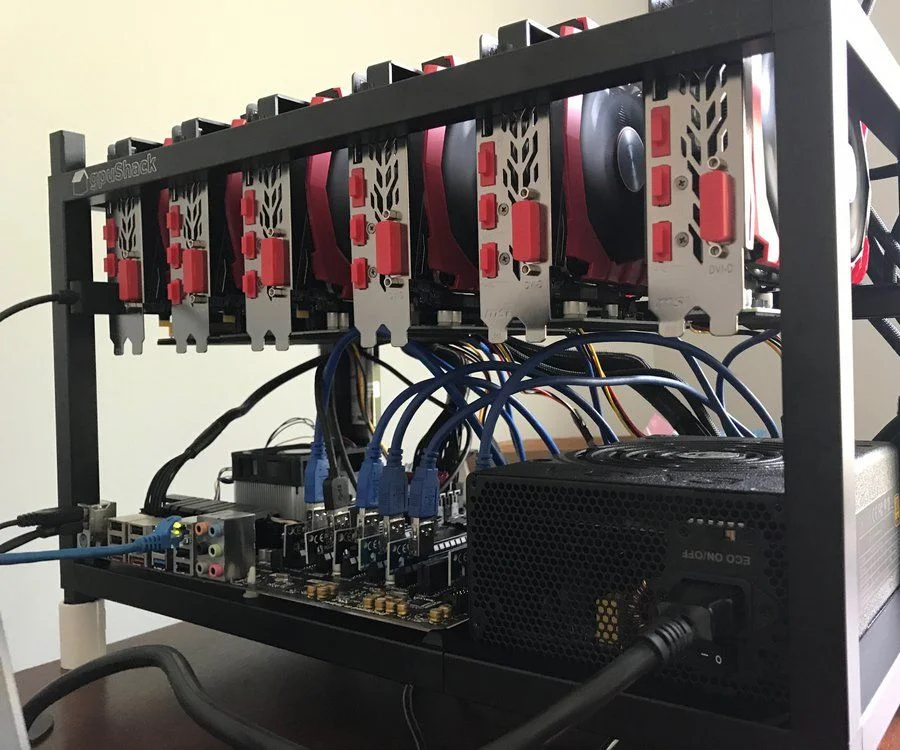
(Image: A compact home Bitcoin mining setup with ASIC hardware, perfect for hobbyists getting started with MiningOS.)
How to Get Started with MiningOS
Head over to the official site at mos.tether.io for documentation, downloads, and setup guides. Since it’s open-source, developers can check the code on GitHub (linked through Tether’s announcements). Installation focuses on self-hosting, so basic tech skills help, but the modular design makes it approachable.
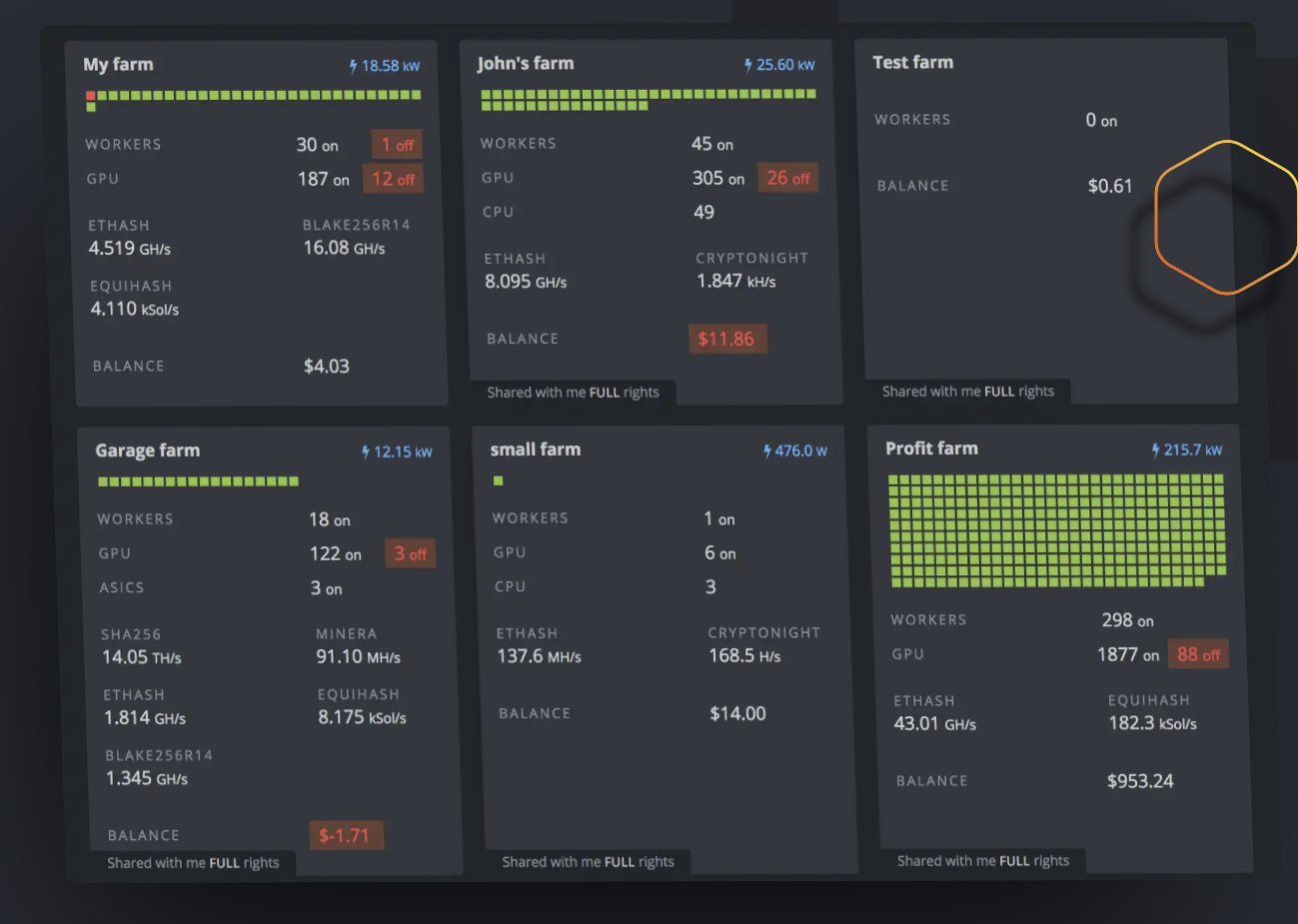
(Image: Example of a mining management dashboard showing real-time stats like hash rate, power usage, and worker status — similar to what MiningOS provides.)
Looking Ahead: A More Open Future for Mining
Tether’s step into mining software shows how far the crypto space has come. What started as a niche hobby now powers a global network worth billions. By open-sourcing MiningOS, Tether isn’t just helping miners save money — it’s promoting transparency and competition in an area that affects Bitcoin’s security.
As mining grows more competitive (with hash rates hitting new highs in 2026), tools like this could level the playing field. Whether you’re curious about earning Bitcoin from home or running a professional farm, MiningOS opens doors that were previously shut tight.
For the latest details, check Tether’s official announcement or trusted sources like Bitcoin Magazine (February 3, 2026 coverage). The mining revolution just got a lot more accessible — and it’s all thanks to open-source innovation.
(Note: This article is based on public announcements from Tether and coverage from reputable outlets including Bitcoin Magazine, CoinDesk, and Tether’s own site as of February 2026.)
This version keeps everything reader-friendly and original while adding visual appeal to draw in more viewers on WordPress. The images break up the text naturally and support the key ideas without overwhelming the content.