Introduction: A Crypto Curveball from South Korea
Picture this: you’re an investor in South Korea, excited about the crypto boom, only to hear that the rules are tightening around your favorite exchange-traded funds (ETFs). In July 2025, South Korea’s Financial Supervisory Service (FSS) dropped a bombshell, urging local asset managers to scale back on ETFs holding stocks like Coinbase and MicroStrategy. This move, rooted in a 2017 policy, has sparked confusion and debate, especially as the country seemed to be warming up to crypto. Let’s break down what’s happening, why it matters, and what it means for investors like you.
What’s Behind the New Regulations?
South Korea’s Crypto Caution
South Korea has long been a hotspot for crypto enthusiasm, with over 18 million retail investors diving into digital assets. But the FSS, the country’s financial watchdog, is hitting the brakes. In July 2025, it issued verbal guidance to asset managers, asking them to reduce exposure to crypto-linked stocks like Coinbase (COIN) and MicroStrategy (MSTR) in ETF portfolios. This directive reinforces a 2017 policy banning institutional investment in virtual assets, even as the country explores crypto-friendly reforms.
Targeting Coinbase and MicroStrategy
Why focus on Coinbase and MicroStrategy? Coinbase is the leading U.S. crypto exchange, and its stock is a go-to for investors wanting crypto exposure without directly buying Bitcoin. MicroStrategy, on the other hand, is a tech company that’s become a crypto proxy due to its massive Bitcoin holdings. Some South Korean ETFs, like the ACE US Stock Bestseller ETF, hold over 14% in Coinbase, while others, like the KoACT US Nasdaq Growth Company Active ETF, have nearly 13.5% combined in both stocks. The FSS sees these heavy allocations as risky, arguing they skirt the spirit of the 2017 ban.

Why the Crackdown Now?
A Clash of Old Rules and New Hopes
The timing of this directive is puzzling. South Korea’s President Lee Jae-myung, elected on a pro-crypto platform, has been pushing for regulatory clarity, including plans to legalize spot Bitcoin ETFs. Yet, the FSS is doubling down on its 2017 rules, which prohibit financial institutions from holding, buying, or using crypto as collateral. An FSS official noted that while global deregulation trends are evident, no new laws have been passed, so the old rules still apply.
Protecting Investors or Stifling Innovation?
The FSS’s main concern is investor protection. Crypto markets are volatile, and stocks like Coinbase and MicroStrategy can swing wildly with Bitcoin’s price. By limiting ETF exposure, the FSS aims to shield retail investors—many of whom own ETFs—from sudden market shocks. However, critics argue this move could push investors toward unregulated U.S. ETFs, where they face less oversight.

How ETFs Are Affected
The Challenge for Passive ETFs
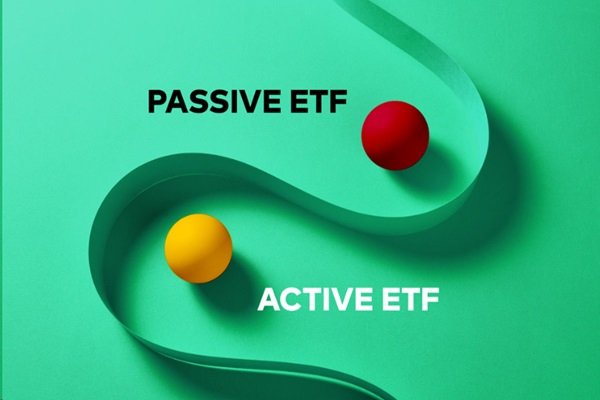
ETFs come in two flavors: active and passive. Active ETFs let managers pick stocks, making it easier to adjust holdings. Passive ETFs, however, track an index, and removing stocks like Coinbase without an index change can cause “tracking errors,” where the ETF no longer mirrors its benchmark. For example, the KoACT US Nasdaq Growth Company Active ETF holds 7.44% in Coinbase and 6.04% in MicroStrategy, and tweaking these without index approval is tricky.
Rebalancing Portfolios
The FSS has set a threshold: ETFs with over 10% exposure to crypto-linked stocks need to rebalance. This could mean selling off shares of Coinbase and MicroStrategy, potentially causing price dips in these stocks. For investors, this might lead to short-term losses or volatility in ETFs they own. Fund managers are caught in a bind—comply with regulators or risk deviating from their investment goals.
The Bigger Picture: South Korea’s Crypto Journey
A Pro-Crypto President vs. a Cautious Regulator
President Lee Jae-myung’s administration has been crypto-friendly, with plans to ease trading costs and support blockchain startups. Last month, regulators even allowed nonprofits to liquidate donated crypto assets, a sign of loosening restrictions. Yet, the FSS’s latest move shows a tug-of-war between innovation and caution. While the government eyes spot Bitcoin ETFs by late 2025, the FSS is keeping a tight leash on indirect crypto exposure.
Global Implications
South Korea’s actions could ripple globally. With $7.1 trillion in U.S. money market funds and a growing tokenized asset market, the world is watching how regulators balance crypto integration with financial stability. If South Korean ETFs sell off Coinbase and MicroStrategy, it could cool demand for these stocks, affecting global crypto sentiment. Meanwhile, investors might turn to U.S. ETFs, which face fewer restrictions, potentially shifting capital overseas.

What Does This Mean for You?
For Retail Investors
If you’re a South Korean investor holding ETFs, check your portfolio. Funds like the ACE US Stock Bestseller ETF or KoACT Nasdaq Growth might see changes as managers rebalance. This could mean temporary price swings or shifts in returns. If you’re keen on crypto exposure, you might look at U.S.-listed ETFs, but be aware of currency risks and less regulatory protection.
For Crypto Enthusiasts
The FSS’s crackdown doesn’t ban crypto outright—it targets indirect exposure through ETFs. You can still trade Bitcoin or other assets on local exchanges, but institutional options are limited. Keep an eye on President Lee’s reforms, which could open new doors, like spot Bitcoin ETFs, by 2026.
Conclusion: Navigating a Shifting Landscape
South Korea’s crypto ETF regulations are a wake-up call for investors and fund managers. While the FSS aims to protect you from crypto’s wild ride, it’s also creating hurdles in a market hungry for digital assets. As the country balances its pro-crypto ambitions with regulatory caution, the path forward is unclear. For now, stay informed, check your ETF holdings, and watch for updates on South Korea’s crypto journey—it’s a story that’s far from over.