Imagine a container ship loaded with electronics leaving Singapore for Europe. In the old days, the seller might wait weeks—or even months—for payment while banks shuffle paperwork across borders. Today, Ripple is changing that story. The company just got the green light to test its RLUSD stablecoin inside Singapore’s new BLOOM regulatory sandbox, teaming up with supply-chain tech firm Unloq to make cross-border trade payments faster, smarter, and almost automatic.
This isn’t just another crypto headline. It’s a real-world trial that could slash costs and delays for businesses moving goods around the globe. Let’s break it down in plain English so anyone can follow.
What Is Ripple’s RLUSD Stablecoin?
Think of RLUSD as a digital version of the US dollar that stays rock-solid at $1. Every token is backed one-to-one by real cash, US Treasuries, and other safe assets held in separate accounts. Ripple publishes regular checks so everyone can see the reserves are really there.
Unlike some wilder cryptocurrencies that swing wildly in price, RLUSD is built for serious use—like paying suppliers or settling big trade deals. It runs on the fast, low-cost XRP Ledger (and also Ethereum), which means money can move in seconds instead of days.
Inside Singapore’s BLOOM Sandbox: The Smart Money Playground
Singapore’s Monetary Authority (MAS) created BLOOM—short for Borderless, Liquid, Open, Online, Multi-currency—to test the next generation of digital money. Launched in late 2025, BLOOM builds on earlier experiments like Project Orchid and lets banks and companies safely try tokenized bank money and well-regulated stablecoins for real settlements.
It’s basically a protected testing ground where regulators watch closely, but innovators can experiment without breaking rules. Ripple’s selection shows MAS sees RLUSD as a trustworthy player in this new world.

MAS Launches BLOOM Initiative to Extend Settlement Capabilities – Asian Wealth Management and Asian Private Banking
Ripple + Unloq: Bringing Programmable Payments to Trade Finance
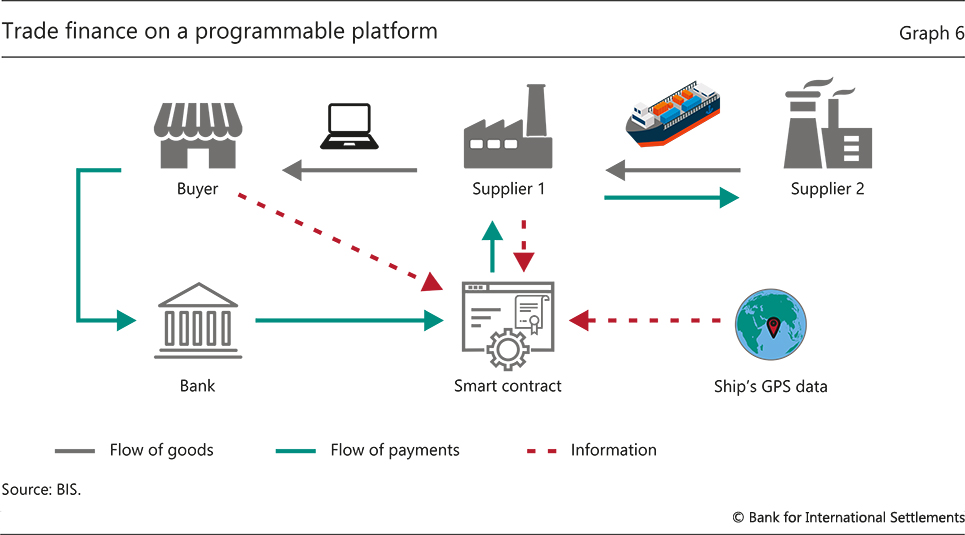
Here’s where it gets exciting. Ripple is partnering with Unloq, a company that helps businesses finance their supply chains. Together they’re building a system on the XRP Ledger that uses RLUSD for programmable payments.
Picture this: A buyer in Europe orders goods. The smart contract (a piece of self-running code) checks shipping updates, GPS data from the vessel, and delivery confirmation. The moment everything matches the agreed conditions, RLUSD is automatically released to the seller—no waiting for banks to approve paperwork.
No more piles of documents. No more weeks of uncertainty. Just faster cash flow that helps small factories, exporters, and importers breathe easier.
III. Blueprint for the future monetary system: improving the old, enabling the new
Why Traditional Trade Finance Needs This Upgrade
Right now, cross-border trade still relies on letters of credit, manual checks, and correspondent banks. It’s slow, expensive, and full of errors. The World Trade Organization and major banks have said for years that blockchain could fix this—cutting fraud, speeding up visibility, and lowering costs by up to 50% in some cases.
Ripple’s BLOOM pilot puts that theory into practice. By triggering payments automatically when real-world conditions are met, it turns trade finance from a paperwork nightmare into a smooth, digital handshake.
What This Means for Businesses and Everyday Life
For Companies Big and Small
Exporters get paid the same day instead of waiting 30–90 days. Importers reduce the risk of delayed shipments. Supply-chain managers can track everything on one transparent ledger. Lower costs mean cheaper products on store shelves.
For Regular People
When businesses save money on international payments, those savings often trickle down—think lower prices on imported phones, clothes, or groceries. Plus, more efficient global trade supports jobs in shipping, manufacturing, and logistics worldwide.
The Bigger Ripple Effect
This pilot isn’t happening in a vacuum. Singapore has positioned itself as Asia’s fintech leader, and BLOOM is part of a global push to make digital dollars work safely in real commerce. Ripple already offers RLUSD for treasury operations and remittances; adding programmable trade finance shows how stablecoins can solve everyday business headaches.
Looking Ahead: A New Chapter for Global Trade?
If the BLOOM trial succeeds, we could see RLUSD-powered settlements rolled out more widely. Companies might adopt similar programmable systems for everything from invoice financing to insurance claims.
Of course, regulators will keep a close eye on risks like compliance and cybersecurity—exactly why testing happens inside a sandbox first. But the direction is clear: digital money that’s stable, programmable, and regulated is moving from concept to everyday tool.
Ripple’s move into Singapore’s BLOOM sandbox isn’t just good news for crypto fans. It’s a practical step toward a world where moving money across borders feels as simple as sending a text. For anyone who buys, sells, or ships goods internationally, that future can’t come soon enough.