Imagine a tech giant pouring a billion dollars into its own digital currency, not just to hoard it, but to fuel a new era of financial tools. That’s exactly what’s unfolding with Ripple and XRP right now—a move that’s turning heads in the crypto world and sparking debates about whether everyday investors should jump in or watch from the sidelines.

What is Ripple and XRP?
At its core, Ripple is a company focused on making global money transfers faster and cheaper than traditional banking systems. Think of it as the plumbing behind international payments—efficient, reliable, and built for speed. XRP, on the other hand, is the cryptocurrency that powers Ripple’s network, acting like a bridge currency to facilitate these transactions without the usual delays or high fees.
Unlike Bitcoin, which is often seen as digital gold for storing value, XRP is designed for practical use in cross-border payments. Ripple holds a significant portion of XRP tokens, and the company has been actively managing its supply to support the ecosystem. As of recent updates, XRP’s market cap hovers around hundreds of billions, making it one of the top cryptocurrencies by value.
The $1B Bet Explained
Ripple’s latest announcement involves leading a $1 billion fundraising effort to create a dedicated XRP digital asset treasury. This isn’t a straightforward buyback like repurchasing company stock; instead, Ripple is reportedly using a Special Purpose Acquisition Company (SPAC) to raise at least $1 billion specifically for acquiring and holding XRP tokens. The goal? To build a robust treasury that could stabilize XRP’s value and support broader adoption in financial services.
This comes on the heels of Ripple’s earlier moves, such as a $285 million share buyback in 2024, which valued the company at $11 billion and signaled confidence to investors. Now, with the crypto market showing volatility, this $1B initiative could act as a safety net, potentially reducing selling pressure and boosting long-term confidence.
Why Now?
Timing is everything in crypto. Ripple’s push coincides with the resolution of its long-standing lawsuit with the U.S. Securities and Exchange Commission (SEC). In August 2025, the case wrapped up with Ripple agreeing to a $125 million civil penalty, providing much-needed regulatory clarity. This settlement removes a major overhang, allowing Ripple to focus on growth without the constant threat of legal battles. Plus, with global interest in digital assets rising, Ripple sees an opportunity to position XRP as a key player in efficient, borderless finance.
Opportunities for Investors
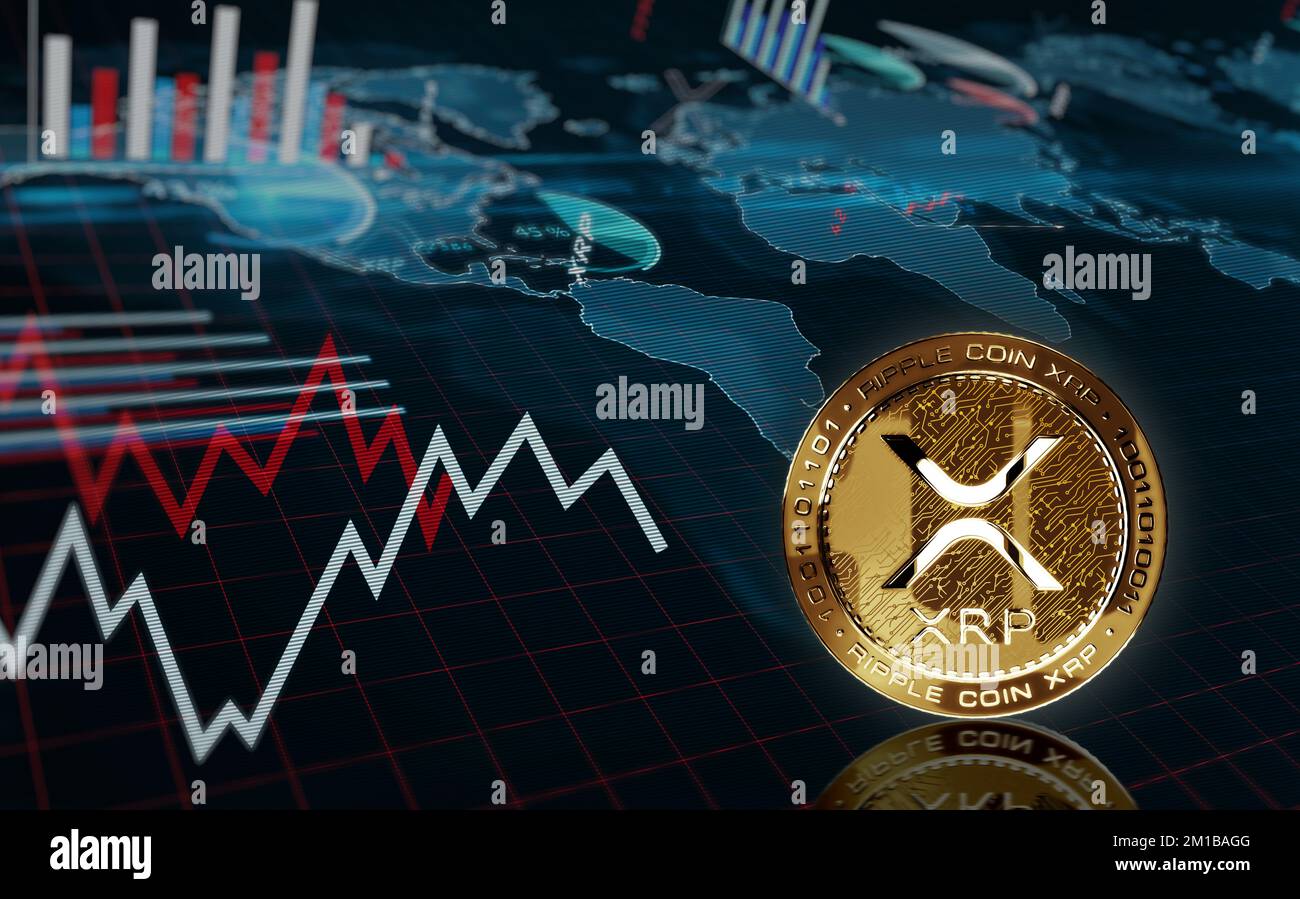
For the average person dipping their toes into crypto, Ripple’s bet opens up intriguing possibilities. First off, the treasury plan could provide price support. If Ripple starts acquiring XRP en masse, it might help prop up the token’s value during dips, similar to how corporate buybacks stabilize stock prices. Recent market reactions show XRP holding steady around $2.20 to $2.41, with analysts suggesting potential upside if the buyback materializes.
Price Potential
Looking ahead, some forecasts paint an optimistic picture. With clearer regulations post-SEC settlement, XRP could see increased institutional interest, potentially pushing its price toward $5 or higher in a bull run scenario. This isn’t guaranteed, but the treasury could act as a catalyst, reducing supply on the open market and encouraging more banks and payment providers to integrate XRP.
Adoption and Use Cases
Beyond price, the real excitement lies in real-world applications. Ripple is already partnering with financial institutions to use XRP for remittances and settlements. Imagine sending money overseas in seconds instead of days—that’s the promise. As more companies adopt this tech, XRP holders could benefit from network effects, where increased usage drives demand. For everyday investors, this means XRP isn’t just a speculative bet; it’s tied to tangible improvements in global finance.
Risks to Consider
No investment is without pitfalls, and XRP is no exception. The crypto market’s inherent volatility means prices can swing wildly—XRP has seen panic selling recently, dropping amid broader market jitters. Even with the SEC case settled, regulatory risks linger, especially if new rules emerge in other countries.
Competition is another factor. XRP faces rivals like stablecoins and other payment protocols that could steal market share. Plus, Ripple’s large holdings of XRP (about 40% of the total supply) mean the company’s decisions heavily influence the token’s fate—if things go south, it could amplify losses for holders. Always remember: only invest what you can afford to lose, and diversify to spread the risk.

Conclusion
Ripple’s $1 billion commitment to XRP isn’t just a headline—it’s a strategic play that could reshape investor landscapes in crypto. By unpacking this bet, we’ve seen how it ties into regulatory wins, potential price boosts, and real-world utility, all while acknowledging the bumps along the way. If you’re curious about dipping in, start small, stay informed, and watch how this unfolds. Crypto’s future is bright, but it’s the informed moves that pay off.