Picture a future where sending money across the globe is as easy as texting a friend—fast, cheap, and secure. Ripple’s recent $200 million acquisition of Rail Financial, announced in August 2025, is a major step toward making that vision real. With its new stablecoin, RLUSD, and a strengthened payments network, Ripple is gearing up to challenge the giants of the stablecoin market. But can it truly dominate? Let’s explore what this deal means, why stablecoins are a big deal, and whether Ripple has what it takes to lead the pack.
Ripple’s Big Move: The Rail Financial Acquisition
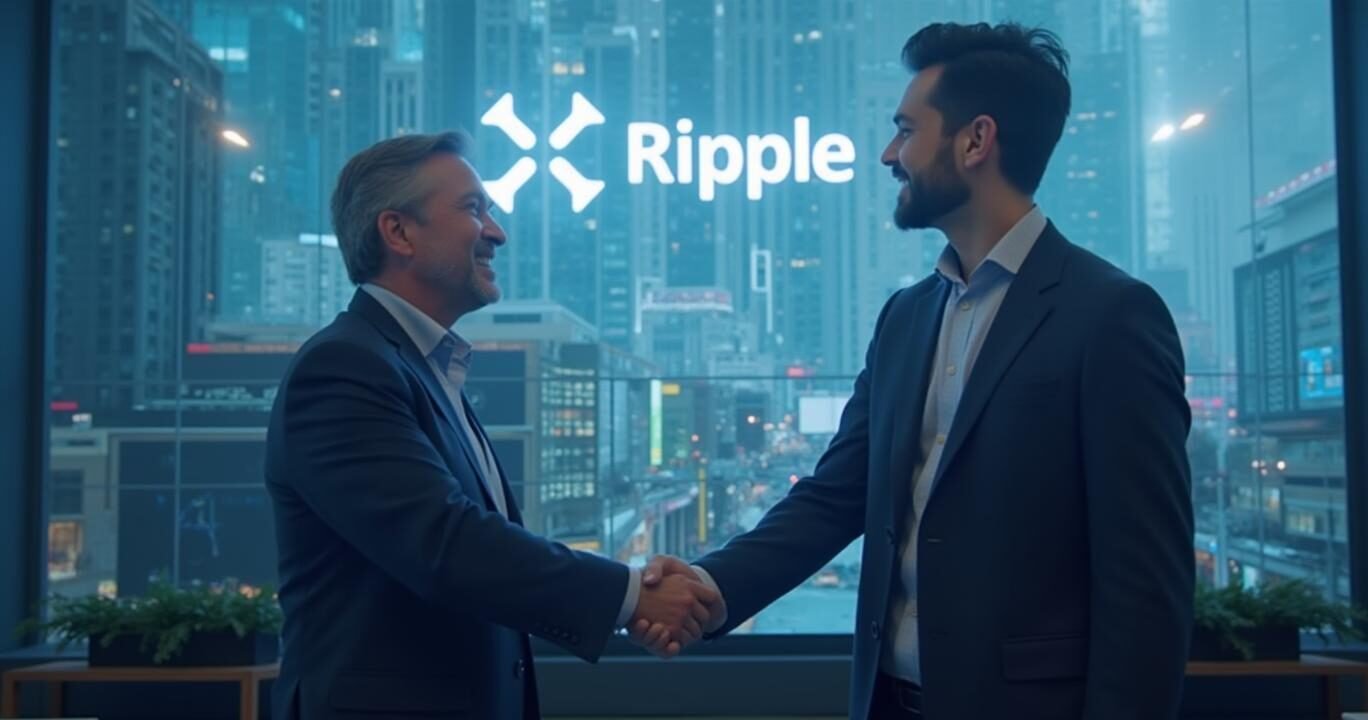
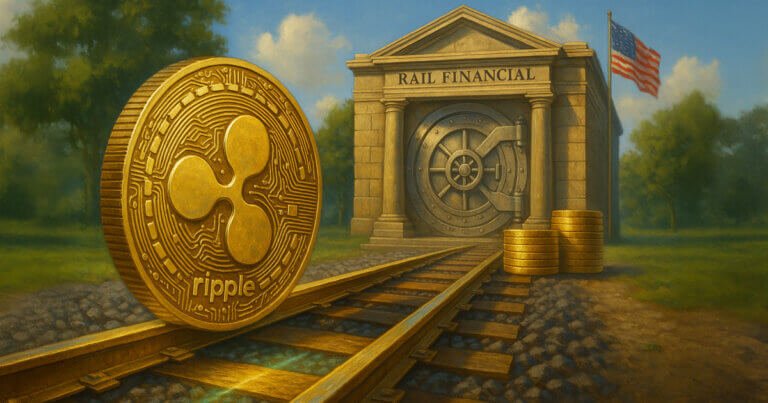
On August 7, 2025, Ripple acquired Rail Financial, a company specializing in back-office and virtual account solutions for payments, for $200 million. This deal boosts Ripple’s ability to handle large-scale, cross-border transactions with greater efficiency. By integrating Rail’s technology into its global payments network, Ripple aims to make its Hong Kong dollar-backed stablecoin, RLUSD, a go-to choice for businesses and individuals alike.
For everyday people, this means Ripple is building a system where you could send money internationally without the usual delays or high fees charged by traditional banks. It’s like upgrading from snail mail to instant messaging for your money.
Why Stablecoins Are the Future of Money
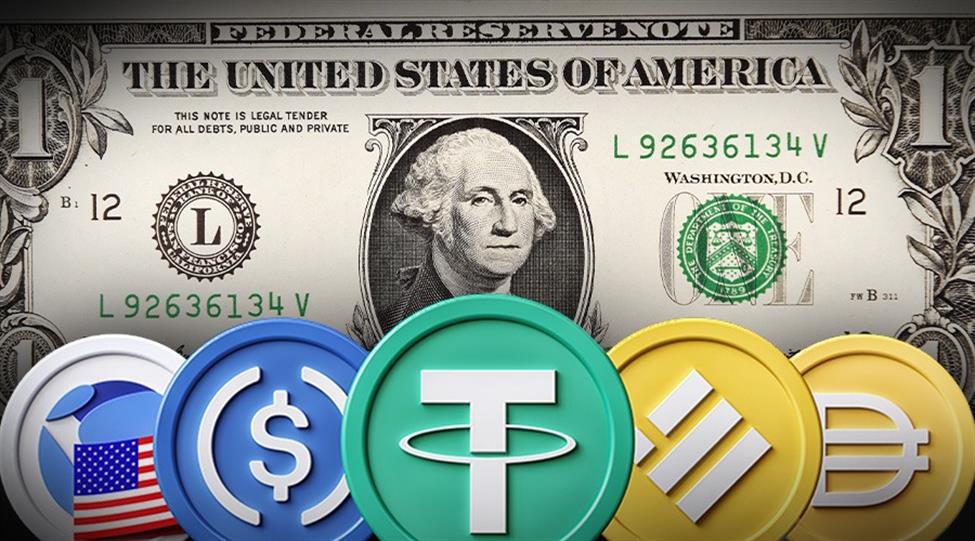
Stablecoins are digital currencies pegged to stable assets, like the U.S. dollar or, in Ripple’s case, the Hong Kong dollar. Unlike volatile cryptocurrencies like Bitcoin, stablecoins hold steady value, making them ideal for everyday transactions, international transfers, or even holding savings without worrying about wild price swings.
For the average person, a stablecoin like RLUSD could simplify life. Imagine paying for groceries, settling a bill overseas, or even investing in digital assets without needing a crypto exchange. Ripple’s focus on stablecoins taps into a growing demand for fast, affordable, and transparent payments, as noted in recent X posts about the inefficiencies of traditional cross-border transactions.
How the Rail Deal Strengthens Ripple’s Game Plan
Enhanced Payment Infrastructure
Rail Financial’s technology allows Ripple to streamline payment processing, especially for businesses handling high volumes of transactions. This means faster settlements and lower costs, which could make RLUSD more attractive to companies compared to competitors like USDT or USDC.
Boosting RLUSD’s Appeal
Ripple’s RLUSD stablecoin, issued on the XRP Ledger, is designed for speed and low fees. The Rail acquisition adds robust back-office capabilities, making it easier for businesses to adopt RLUSD for payments or as a bridge currency in cross-border trades. This could give Ripple an edge in markets where efficiency is king.
Competing with Traditional Systems
Recent X posts suggest Ripple’s technology could challenge systems like SWIFT, which is slow and costly for international transfers. With Rail’s integration, Ripple is better equipped to offer a faster, more efficient alternative, potentially capturing a slice of the $2 trillion stablecoin market projected by some analysts.
Ripple’s Edge in the Stablecoin Race
Ripple isn’t new to the payments game. Its XRP Ledger already powers fast, low-cost transactions, and RLUSD builds on that foundation. Here’s why Ripple could stand out:
- Cross-Border Expertise: Ripple’s focus on cross-border payments, as highlighted in a recent White House crypto report, aligns with global demand for better financial systems. RLUSD could become a key player in this space.
- Regulatory Wins: Ripple’s 2023 victory over the SEC cleared XRP of security status in secondary markets, boosting confidence in its ecosystem. This clarity makes RLUSD more appealing to cautious institutional investors.
- Strategic Partnerships: Ripple’s work with companies like FIS, which provides indirect access to Federal Reserve infrastructure, strengthens its credibility and reach.
For everyday users, this means Ripple’s stablecoin could be a trusted, widely accepted option, unlike some competitors with shakier reputations.

Challenges Ripple Faces
Dominating the stablecoin market won’t be easy. Here are some hurdles Ripple must overcome:
Fierce Competition
USDT and USDC, issued by Tether and Circle, respectively, hold the lion’s share of the stablecoin market. Convincing businesses and users to switch to RLUSD will require proving its superiority in speed, cost, and reliability.
Regulatory Risks
While Hong Kong’s Stablecoins Ordinance offers a clear framework, global regulations vary. Ripple must navigate a patchwork of rules to ensure RLUSD can operate worldwide without legal snags.
Public Trust
Some X users express skepticism about stablecoins, citing concerns over centralization or transparency. Ripple will need to build trust by ensuring RLUSD is fully backed and secure, addressing doubts raised in online discussions.
What This Means for Everyday People
For the average person, Ripple’s push into stablecoins could make digital money more accessible. You wouldn’t need to be a crypto expert to use RLUSD—just a smartphone and an app could let you send money abroad or pay merchants instantly. The Rail deal could also lower costs for businesses, which might pass savings on to customers.
However, it’s worth staying cautious. The stablecoin market is crowded, and Ripple’s success isn’t guaranteed. Keep an eye on how RLUSD performs as it rolls out and whether it gains traction with businesses and consumers.

What to Watch in 2025
As Ripple moves forward, here are key developments to track:
- RLUSD Launch: Will Ripple’s stablecoin gain traction in Hong Kong and beyond?
- Market Adoption: Watch how businesses, especially in finance and tech, respond to RLUSD.
- Regulatory Updates: Hong Kong’s licensing process and global regulations will shape Ripple’s path.
- Competitor Moves: Keep an eye on Tether, Circle, and others to see how they counter Ripple’s push.
Conclusion
Ripple’s $200 million Rail Financial acquisition is a bold bet on the future of stablecoins. By strengthening its payments network and launching RLUSD, Ripple is positioning itself to challenge the likes of USDT and USDC while offering a faster, cheaper alternative to traditional systems like SWIFT. For everyday people, this could mean easier access to digital money that’s as reliable as cash but built for the modern world. While challenges remain, Ripple’s track record and strategic moves make it a contender to watch in 2025. Stay tuned—things are about to get exciting.