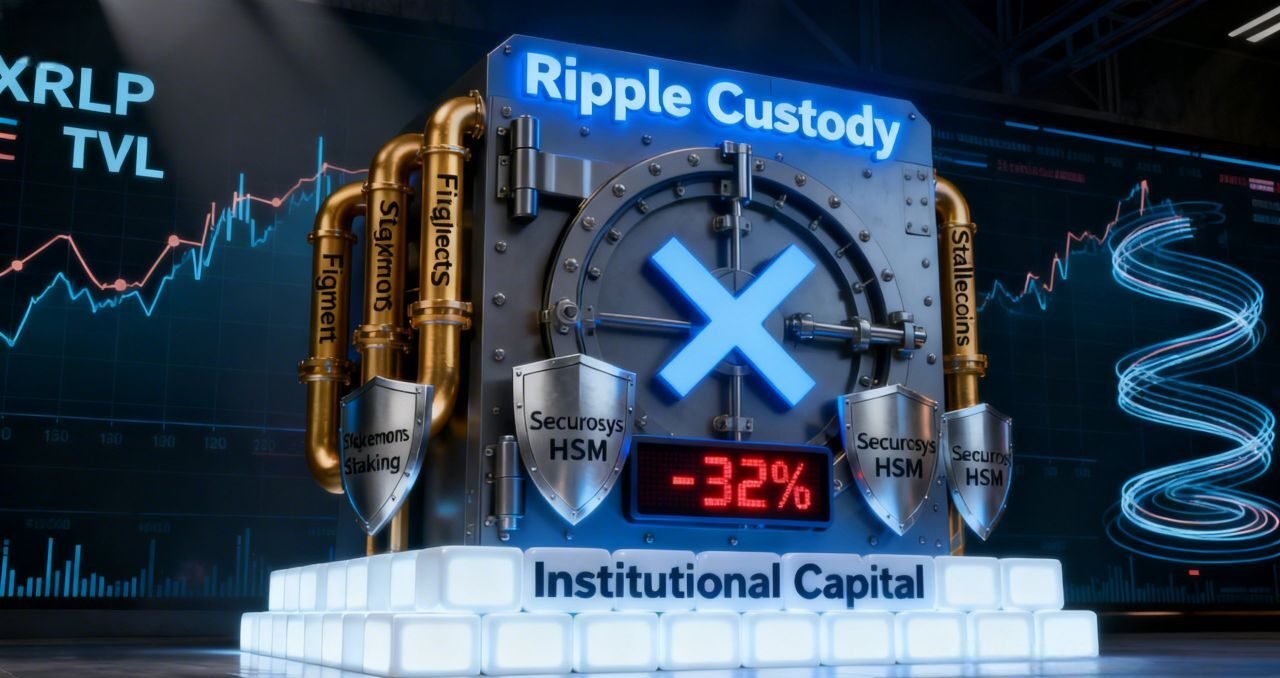
The recent upgrade to Ripple Custody marks a significant step forward for banks and traditional financial institutions entering the world of digital assets. Announced in early February 2026, this enhancement—through partnerships with cybersecurity specialist Securosys and staking provider Figment—focuses on stronger security via advanced hardware security modules (HSMs) and the ability to earn rewards through staking. These changes make it easier and safer for banks to hold and manage cryptocurrencies like Ethereum and Solana, without needing to build everything from scratch.
This development arrives as more regulated entities seek reliable ways to handle digital assets amid growing institutional interest in blockchain technology.
What Is Ripple Custody and Why Does It Matter for Banks?
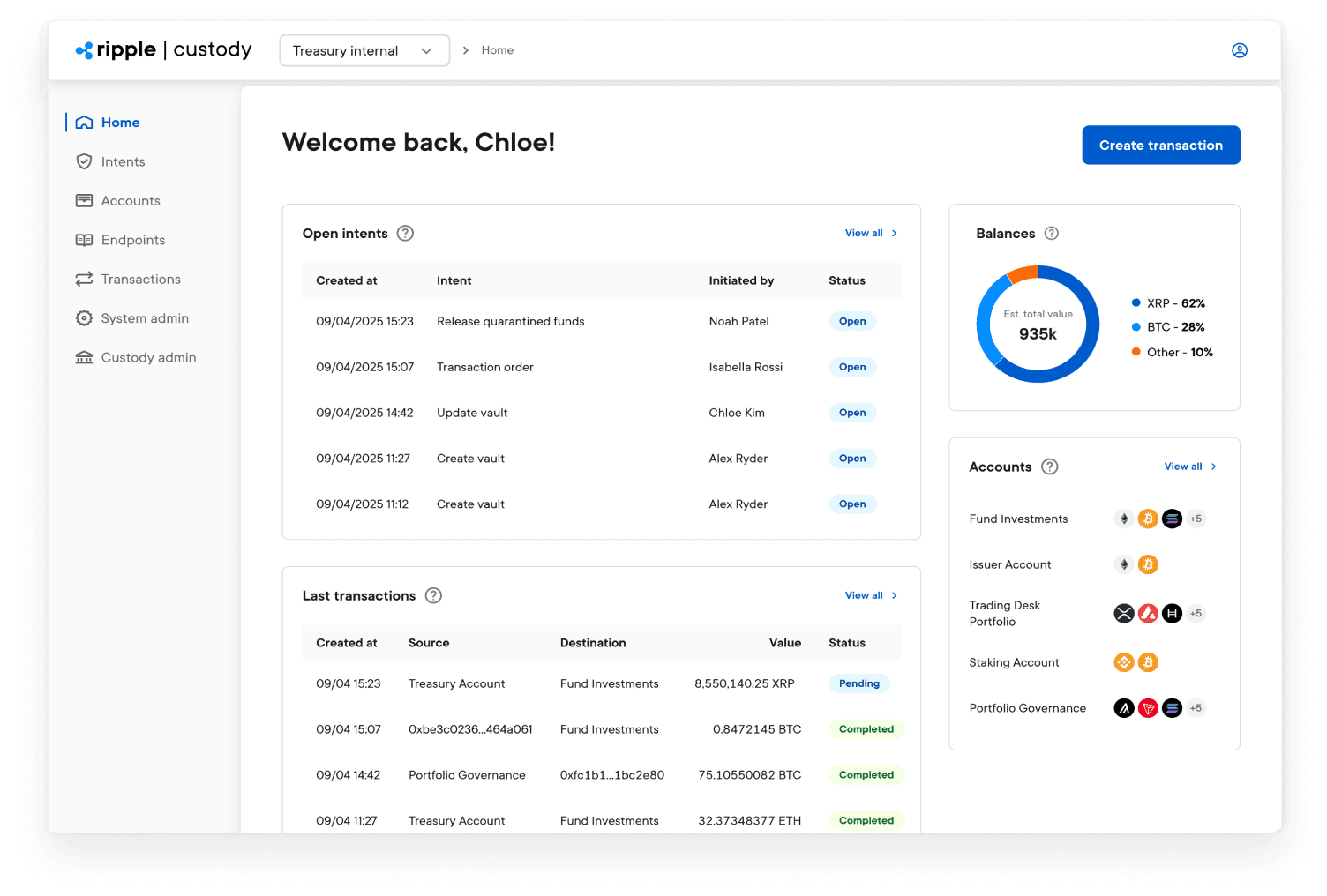
Ripple Custody is a specialized service designed for institutions to securely store, manage, and transact digital assets. Unlike everyday crypto wallets used by individuals, it meets strict banking standards for security, compliance, and control.
Banks face unique challenges when dealing with cryptocurrencies: they must protect private keys (the “passwords” to digital assets), follow heavy regulations, and avoid operational risks. Ripple Custody helps by providing a ready-made platform that integrates these needs.
The latest upgrade builds on prior moves, such as Ripple’s acquisition of Palisade and integration with Chainalysis for better compliance monitoring. Now, with Securosys and Figment onboard, it becomes even more appealing for banks looking to offer crypto services to clients.
Boosting Security with Securosys HSM Integration
One of the biggest highlights is the addition of Securosys‘ CyberVault HSM and CloudHSM solutions. HSMs are specialized hardware devices that protect cryptographic keys—the critical elements securing digital assets—from theft or unauthorized access.
Traditional HSM setups often come with high costs, long setup times, and complicated procurement. Securosys changes this by offering an “out-of-the-box” integration that allows banks to deploy these secure modules either on their own premises or in the cloud, while keeping full control over their keys.
According to Securosys CEO Robert Rogenmoser, this partnership delivers “an enterprise-grade solution that can be deployed quickly, without added complexity, while retaining full control over their cryptographic keys” (Business Wire, February 9, 2026).
This upgrade supports one of the broadest ranges of HSM providers in the industry, helping banks comply with regulations in different countries more easily.
Unlocking Staking Rewards for Institutions
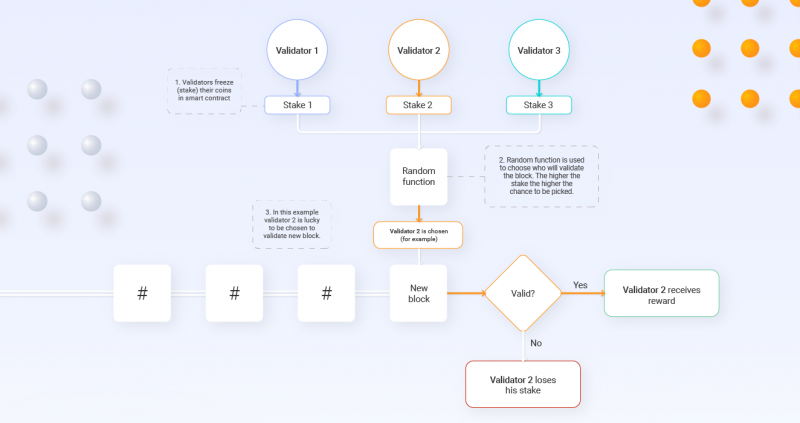
Another key feature is the new staking capability through the partnership with Figment. Staking involves locking up certain cryptocurrencies (on proof-of-stake networks) to help secure the blockchain and earn rewards in return—similar to earning interest on a savings account.
Previously, institutions had to set up their own validator nodes (complex computers that process transactions), which required technical expertise and risked operational issues. Now, Ripple Custody clients can offer staking for major networks like Ethereum and Solana directly within the platform, without building or managing that infrastructure.
This means banks can provide clients with passive income opportunities on held digital assets, all while maintaining control and compliance.
As Ripple’s Senior Vice President of Product Aaron Slettehaugh noted, these additions remove “the friction of managing complex tech stacks” and help institutions “go live faster and scale with confidence” (Ripple official announcement, February 2026).
Why This Upgrade Appeals to Banks and Everyday Readers
For banks, these enhancements lower barriers to entry in the crypto space. They can now offer secure custody and staking services faster, meeting client demand for digital assets while staying compliant.
From a broader perspective, this reflects the maturing crypto industry: tools once limited to tech-savvy users are becoming accessible to traditional finance. Everyday people benefit indirectly as banks integrate crypto options into wealth management or payment services.
The focus on security (via HSMs) and rewards (via staking) addresses common concerns about crypto safety and profitability.
Looking Ahead: The Bigger Picture for Digital Asset Adoption
With these upgrades, Ripple Custody positions itself as a comprehensive solution for regulated entities. It combines top-tier security, built-in compliance, and income-generating features like staking.
As more banks explore digital assets—driven by client interest and potential revenue streams—solutions like this could accelerate mainstream adoption. The partnerships signal confidence in secure, scalable infrastructure for the future of finance.
For more details, refer to Ripple’s official press release (Business Wire, February 9, 2026) and Securosys announcements.
This evolution isn’t just technical—it’s a practical bridge between traditional banking and blockchain innovation.