Picture this: A shadowy trader sits at their keyboard, betting on real-life military strikes that haven’t even been announced yet. Hours later, the bombs drop exactly as predicted, and nearly a million dollars land in their crypto wallet. This isn’t a spy thriller—it’s the latest jaw-dropping drama unfolding on Polymarket, the world’s biggest prediction market platform. With a reported 93% win rate on big bets tied to U.S. and Israeli actions against Iran, one anonymous player (or possibly a small group) turned geopolitical tension into a massive payday. But behind the big win lies a high-stakes world where fortunes flip on a dime, and questions about fair play are exploding.
What Is Polymarket? Betting on the Future, One Event at a Time
Polymarket is like a stock market, but instead of company shares, people buy and sell “yes” or “no” shares on real-world outcomes. Will a politician win an election? Will interest rates drop? Or, in this case, will the U.S. strike Iran by a certain date? Users deposit crypto (usually USDC), place bets, and if they’re right when the event resolves, they cash out big. It’s simple, fast, and open to anyone with an internet connection—no traditional bank required.
The platform exploded in popularity during major news cycles, with billions traded on everything from politics to sports. What makes it addictive? The odds shift in real time based on what traders believe, creating a crowd-sourced forecast that often beats traditional polls. But when the bets involve live conflicts, things get intense fast.
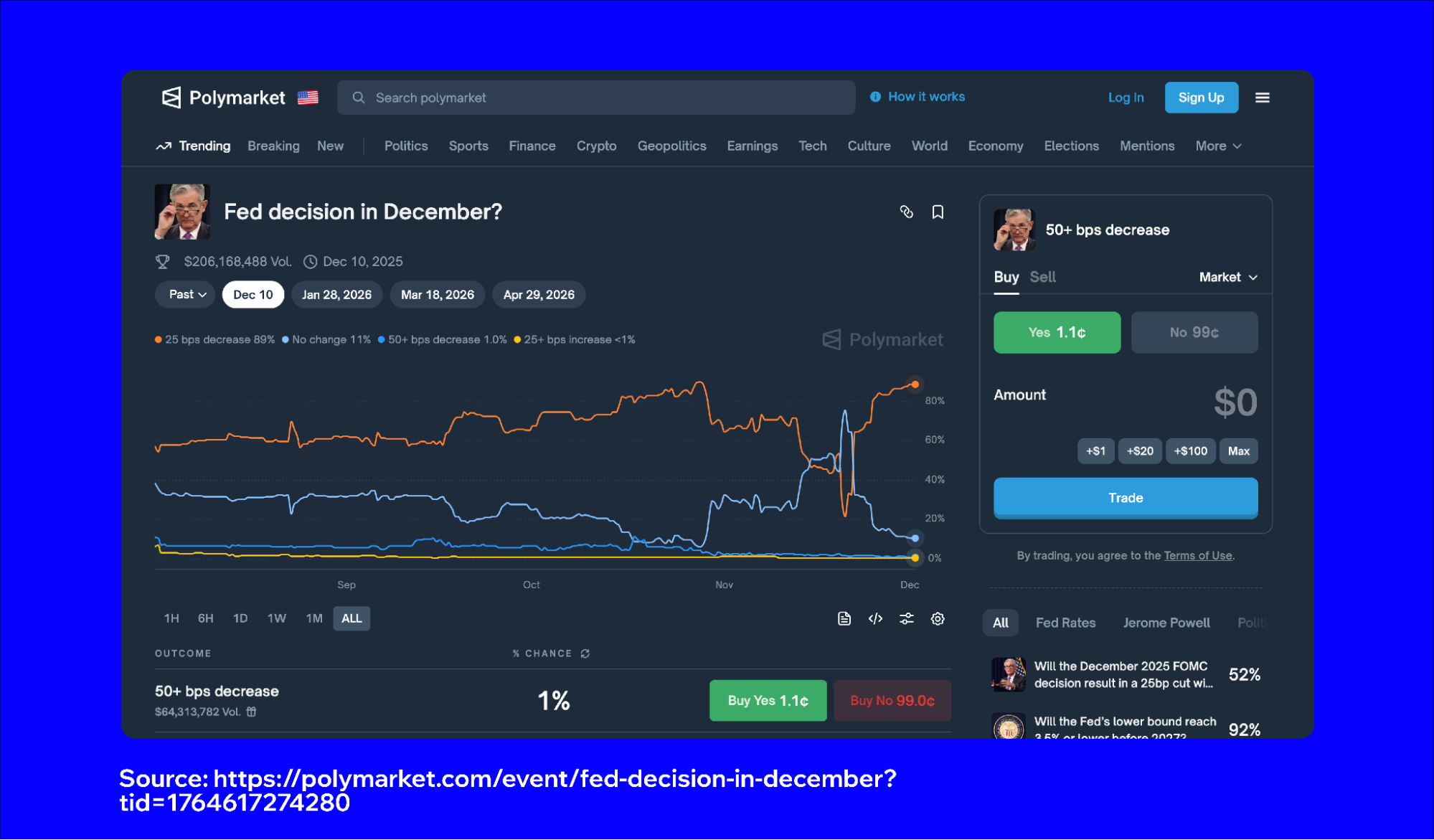
What is Polymarket? | Trust
The Mystery Trader’s Million-Dollar Streak: How It All Went Down
According to fresh analysis shared with major outlets, a handful of newly created accounts on Polymarket raked in roughly $1 million in profits from bets on U.S. and Israeli military moves against Iran. These weren’t random guesses. Many five-figure wagers were placed just hours before unannounced strikes, and the trader (or traders) nailed the timing with stunning accuracy.
Over the past two years, their success rate on major Iran-related bets hit 93%—a number that sounds almost too good to be true in the unpredictable world of global conflicts. Total trading volume on these Iran-linked markets alone topped $529 million, showing just how much money was riding on every headline.
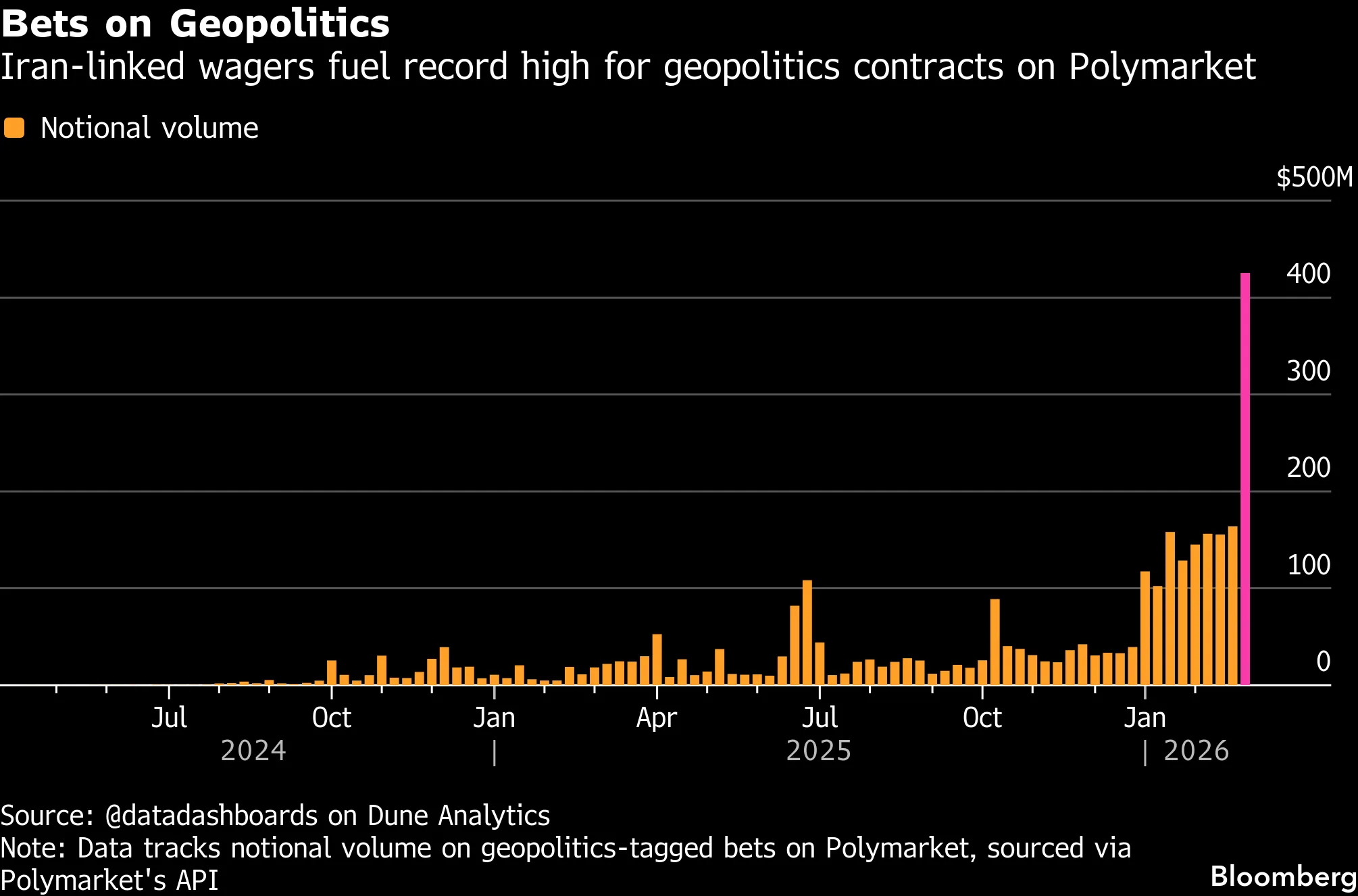
Iran War, Conflict-Related Bets Surge on Prediction Markets – Bloomberg
Timing Was Everything: Bets Placed Right Before the Action
Reports detail how six fresh wallets popped up and correctly predicted a U.S. strike by February 28, 2026. Hundreds of bets worth at least $1,000 flooded in at the last minute—totaling around $855,000 in one surge alone. When the strikes happened on schedule, the payouts rolled in like clockwork. It wasn’t one lucky hit; it was a string of precise calls across multiple events.
Cracking the 93% Code: Pure Genius or Inside Edge?
How does anyone hit 93% on bets about secret military operations? Skeptics point to skill and sharp analysis of public signals like satellite images or news leaks. Fans of the trader call it masterful reading of the “battlefield” dynamics—Polymarket’s own category for war and conflict predictions.
But the numbers raise eyebrows. Placing bets right before unannounced actions feels too perfect for pure luck. Experts tracking the data say the pattern suggests someone might have had non-public information, though no charges have been filed yet. Prediction markets thrive on information, but when that info feels privileged, it sparks heated debate.
Why Prediction Markets Feel Like a True Battlefield
Geopolitics markets on Polymarket turn global flashpoints into tradable events. You’re not just watching the news—you’re betting on it. The “high risk, high reward” label fits perfectly here. A single correct call can multiply your money overnight, but a wrong one wipes you out. Most everyday traders lose money, just like in any betting game. Yet the thrill pulls in thousands, especially when real-world drama like U.S.-Iran tensions drives massive volume.
Think of it as the ultimate “what if” game. The platform’s battle predictions section lets users wager on everything from NATO clashes to specific strike dates. It’s exciting, informative, and—yes—risky. But that risk is what makes the wins so sweet for those who get it right.
High Odds, Low Risk? Uncover Value Bets in Soccer Betting
Insider Trading Fears: Is the Game Rigged?
The big question everyone’s asking: Was this a fair win or something shadier? Onchain analytics firm Bubblemaps flagged the suspicious wallets, and CNN’s exclusive reporting highlighted the 93% hit rate as unusually high. Academics who study these markets, like Dartmouth professor Eric Zitzewitz, note that last-minute betting surges often point to someone “who knew something about the timing.”
Polymarket itself has built a reputation for accuracy—sometimes beating polls in elections—but incidents like this test trust. Regulators are watching closely. If insider info from military or government circles is leaking into bets, it could undermine the entire system. For now, it’s all speculation, but the story has everyone talking about guardrails for these fast-moving platforms.
What This Million-Dollar Win Means for You and the Future
This isn’t just one trader’s jackpot—it shines a light on how prediction markets are reshaping how we understand (and profit from) news. Ordinary people can now turn their hunches about world events into real gains, but the flip side is clear: big money attracts big risks, including potential foul play.
For curious newcomers, Polymarket offers a fun, transparent way to engage with current events. Just remember, it’s high risk—93% wins like this are rare. Most participants walk away with lessons instead of loot. As the platform grows, expect more scrutiny, better rules, and maybe even more million-dollar stories.
In the end, the battlefield of Polymarket proves one thing: In a world of uncertainty, the right bet at the right time can change everything. Whether you’re in it for the thrill, the insights, or the profits, one thing’s certain—stay informed, bet smart, and never risk more than you can afford to lose.