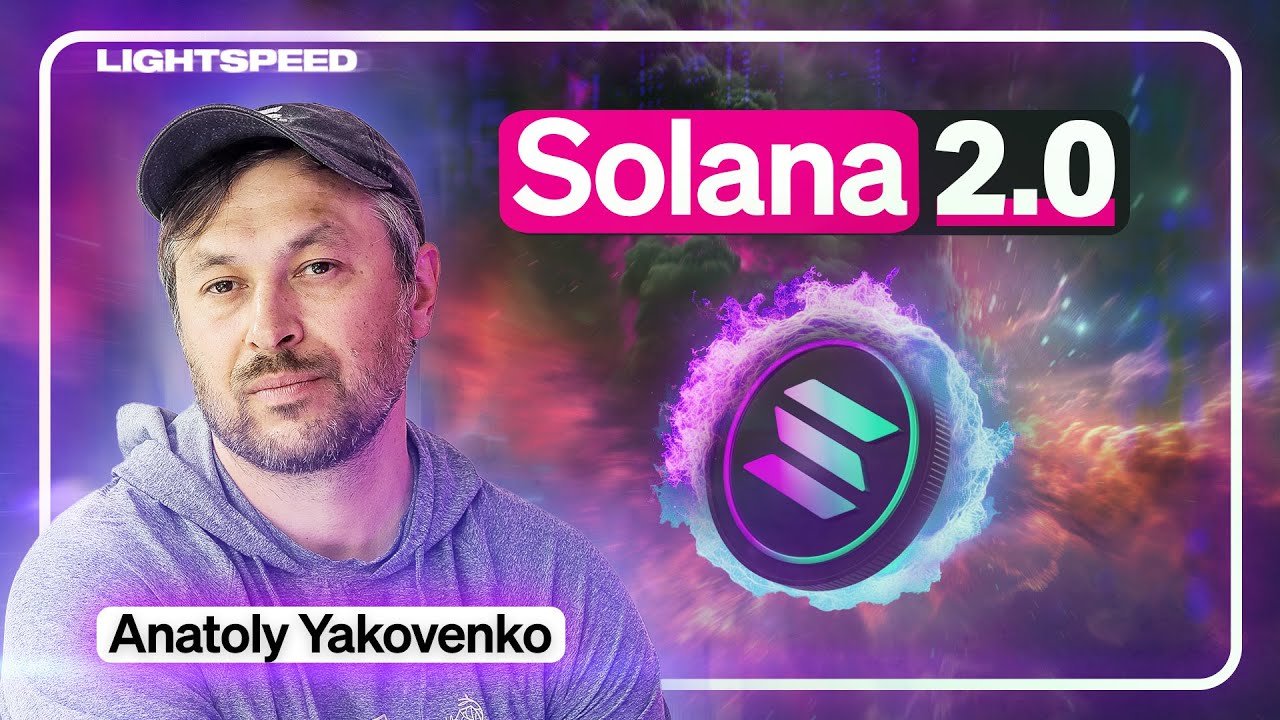
Imagine a world where trading cryptocurrencies feels as smooth and fast as ordering your morning coffee—without the long lines or high fees. That’s the vibe Solana’s co-founder Anatoly Yakovenko is channeling with his latest project, Percolator, a fresh take on decentralized exchanges that’s brewing up excitement in the crypto community.

Who is Anatoly Yakovenko?
Anatoly Yakovenko, often called “Toly” in crypto circles, is the brains behind Solana, one of the fastest-growing blockchains out there. Before diving into crypto, he worked at big tech firms like Qualcomm and Dropbox, where he honed his skills in building high-performance systems. His vision for Solana was to create a blockchain that could handle thousands of transactions per second without breaking a sweat, and now he’s applying that same ingenuity to Percolator.

Yakovenko recently shared details about Percolator on GitHub, describing it as an “implementation-ready” design for a perpetual futures DEX. This isn’t just a side hobby; it’s a strategic move to keep Solana competitive in the fast-paced world of decentralized finance (DeFi).
What is Percolator?
At its core, Percolator is a decentralized exchange (DEX) focused on perpetual futures—think of these as contracts that let you bet on the price of assets like Bitcoin or Ethereum without an expiration date. Unlike traditional stock trading, perps allow for leverage, meaning you can amplify your gains (or losses) with borrowed funds.
What sets Percolator apart is its “sharded” design. Sharding is like dividing a big task into smaller, parallel pieces to make everything run faster and more efficiently. In Percolator’s case, this means multiple independent “slabs” (think mini-engines) handling different parts of the trading process, reducing bottlenecks and boosting speed on the Solana network.
This approach draws inspiration from successful platforms like Hyperliquid, which has seen massive trading volumes, but Yakovenko aims to bring that success back home to Solana.
How Does Percolator Work?
Let’s break it down without the jargon overload. Percolator has two main components: a router program and slab programs.
The router acts like a traffic cop, managing your collateral (the money you put up for trades), calculating risks, and directing orders across different slabs. It ensures everything is secure with features like vaults and escrows to protect against funny business.
Then there are the slabs—these are the workhorses. Each slab is a self-contained matching engine that handles order books (lists of buy and sell orders), positions, and settlements. They use a two-phase system: first, you reserve your spot, then commit to the trade. This helps prevent manipulation and keeps things fair.
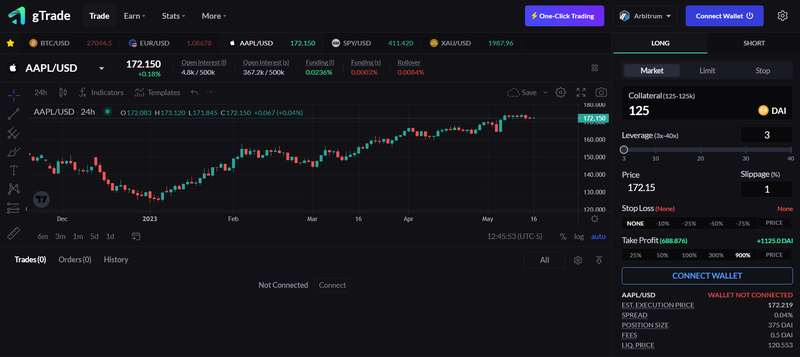
Upcoming features include funding rates (small payments to balance long and short positions) and automated liquidations to manage risky trades. It’s all built on Solana’s high-speed blockchain, which can process trades in milliseconds, making it feel more like a centralized exchange but with the security of decentralization.
Why is This a Big Deal?
Crypto trading has exploded, but many users flock to platforms like Hyperliquid because they’re fast and reliable. Percolator could change that by offering similar perks right on Solana, potentially drawing back billions in trading volume. For everyday traders, this means lower fees, quicker executions, and more opportunities to profit without leaving the Solana ecosystem.
Plus, it’s self-custodial— you control your keys and assets, not some company. In a world where hacks and rug pulls make headlines, that’s a huge win for trust and security.
Potential Impact on Solana
If Percolator takes off, it could supercharge Solana’s DeFi scene. Analysts speculate it might push Solana’s native token, SOL, to new heights by attracting high-value users and increasing network activity. Community buzz is already high, with developers invited to contribute via GitHub, fostering innovation and collaboration.
In the broader crypto landscape, projects like this highlight how blockchains are evolving to rival traditional finance. Percolator isn’t just another DEX; it’s a step toward making crypto trading accessible, efficient, and exciting for everyone—from beginners dipping their toes in to seasoned pros chasing the next big move.
Stay tuned as Yakovenko and the Solana team percolate this idea into reality— it might just be the jolt the market needs.