
Picture this: You’re holding a key to future earnings in the crypto world, but it’s stuck in a vault you can’t open for years. That’s the old way some DeFi platforms worked. Now, Pendle is flipping the script with a fresh upgrade that lets you access your assets faster while still calling the shots on decisions. This isn’t just a tweak—it’s a leap toward making decentralized finance work better for everyday users like you, blending flexibility with real rewards. As we hit 2026, Pendle’s move to sPENDLE is sparking buzz, promising smoother staking and stronger growth for the yield trading scene.
Understanding Pendle: The Yield Trading Powerhouse
Pendle isn’t your average crypto project; it’s a specialized platform in decentralized finance (DeFi) that lets users trade and manage future yields from assets like stablecoins or staking rewards. Think of it as splitting a bond into its principal and interest parts—you can buy, sell, or hedge them separately. This innovation has helped Pendle rack up impressive numbers, with an average total value locked (TVL) hitting $5.7 billion in 2025 alone.
At its heart, Pendle tokenizes yields, turning unpredictable earnings into tradable tokens called Principal Tokens (PT) and Yield Tokens (YT). This setup appeals to traders chasing fixed rates or speculators betting on yield spikes. With integrations across chains like Ethereum and others, it’s become a go-to for savvy DeFi players.

Pendle: A New Era in Yield Trading?
From vePENDLE to sPENDLE: Why the Shift?
The original token model, vePENDLE, relied on a vote-escrow system where users locked up their PENDLE tokens for up to four years to gain voting power and boosted rewards. It was great for committed holders but created headaches—like tying up capital that could be used elsewhere in DeFi. Low adoption rates highlighted these issues, as not everyone wanted to commit long-term.
Enter sPENDLE, the new liquid staking token launched on January 20, 2026. This upgrade scraps the multi-year locks, replacing them with a more user-friendly approach. Now, staking PENDLE gives you sPENDLE, which you can unstake after just 14 days or instantly with a small 5% fee. It’s designed to boost participation by making governance and rewards accessible without the old constraints.

Pendle Announces Token Upgrade as Its DeFi Yield Platform Scales …
Key Problems Solved by the Upgrade
The vePENDLE model led to uneven token distribution and limited flexibility, which Pendle identified as barriers to growth. sPENDLE addresses this by introducing liquidity—your staked positions can now be transferred or used in other protocols like lending or restaking. This means you don’t sacrifice opportunities elsewhere while earning from Pendle. Plus, it aligns incentives better, channeling up to 80% of protocol fees back into PENDLE buybacks for distribution to active holders.
How sPENDLE Works in Practice
Getting started with sPENDLE is straightforward. You stake your PENDLE tokens on the platform and receive sPENDLE in return. This new token handles both governance voting and fee-sharing rewards. Unlike the old system, emissions are now algorithmic, reducing overall supply by about 30% to promote sustainability.
Boosts for Existing Holders
If you were already locked into vePENDLE, you’re not left out. Your positions convert to sPENDLE with multipliers up to 4x, based on remaining lock time—these bonuses decay gradually to ease the transition. This fair approach rewards early supporters while opening doors for newcomers.
Tokenizing Future Yield
For example, if your average lock was 1.5 years, you might start with a 3x boost, making your yields competitive right away. New stakers earn base rates around 5-7%, but as protocol revenue grows through features like Boros (Pendle’s rates venue), everyone benefits from higher APYs.
Benefits for Users and the Broader DeFi Ecosystem
sPENDLE isn’t just about Pendle—it’s a win for DeFi as a whole. By making staking liquid, it encourages more capital flow, potentially increasing TVL and trading volume. Users gain composability: Use sPENDLE as collateral in other apps or stack yields across platforms.
Enhanced Capital Efficiency
No more “dead” capital in long locks. This upgrade could attract institutional players who need liquidity, positioning Pendle as a mature yield infrastructure layer. Market reactions show promise, with PENDLE prices jumping 9% post-announcement.
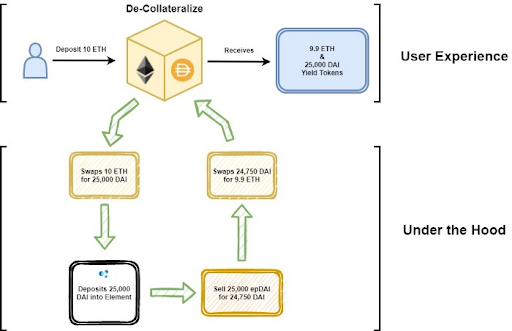
Tokenizing Future Yield
Traders benefit too, as the model ties rewards to actual protocol performance, like fees from V2 pools and Boros open interest, which hit $6.9 billion recently. It’s a flywheel: More usage means more buybacks, higher yields, and stronger token value.
Looking Ahead: Pendle’s Role in 2026 DeFi
As Pendle evolves, sPENDLE sets the stage for bigger things, like expanding to regulated products and deeper integrations. With crypto migrating more off-chain assets on-chain, Pendle’s yield tools could become essential.
For you, the average user, this means easier entry into yield farming without the old hassles. Keep an eye on metrics like staking participation—if they climb, sPENDLE could redefine how DeFi tokens work. Whether you’re a holder or trader, this upgrade emphasizes real utility over hype, paving the way for sustainable growth in a volatile space.
PENDLE Token Analysis | Dune
In the end, Pendle’s sPENDLE launch is a smart pivot toward efficiency and inclusion, proving that DeFi can adapt to keep users hooked. If you’re curious about jumping in, start small and explore the platform’s tools— the future of yields might just be more flexible than ever.