opBNB Mainnet Hardfork Upgrade: Block Time Now 250ms, Transaction Speed Doubled
Imagine upgrading your smartphone’s processor overnight, suddenly making all your apps run twice as fast without any extra cost—that’s the kind of boost the opBNB network just got. This recent hardfork isn’t just tech jargon; it’s a real-world improvement that’s set to make blockchain interactions smoother for everyone from casual gamers to savvy investors.
What is opBNB? A Beginner’s Guide
Before diving into the upgrade, let’s break down what opBNB actually is. Think of it as a super-efficient “express lane” built on top of the BNB Chain, which is part of the larger Binance ecosystem. It’s a Layer 2 solution, meaning it handles transactions off the main blockchain to keep things quick and cheap, while still being secure. Launched to tackle issues like high fees and slow speeds on busier networks, opBNB uses technology from Optimism to process thousands of transactions per second at a fraction of the cost.
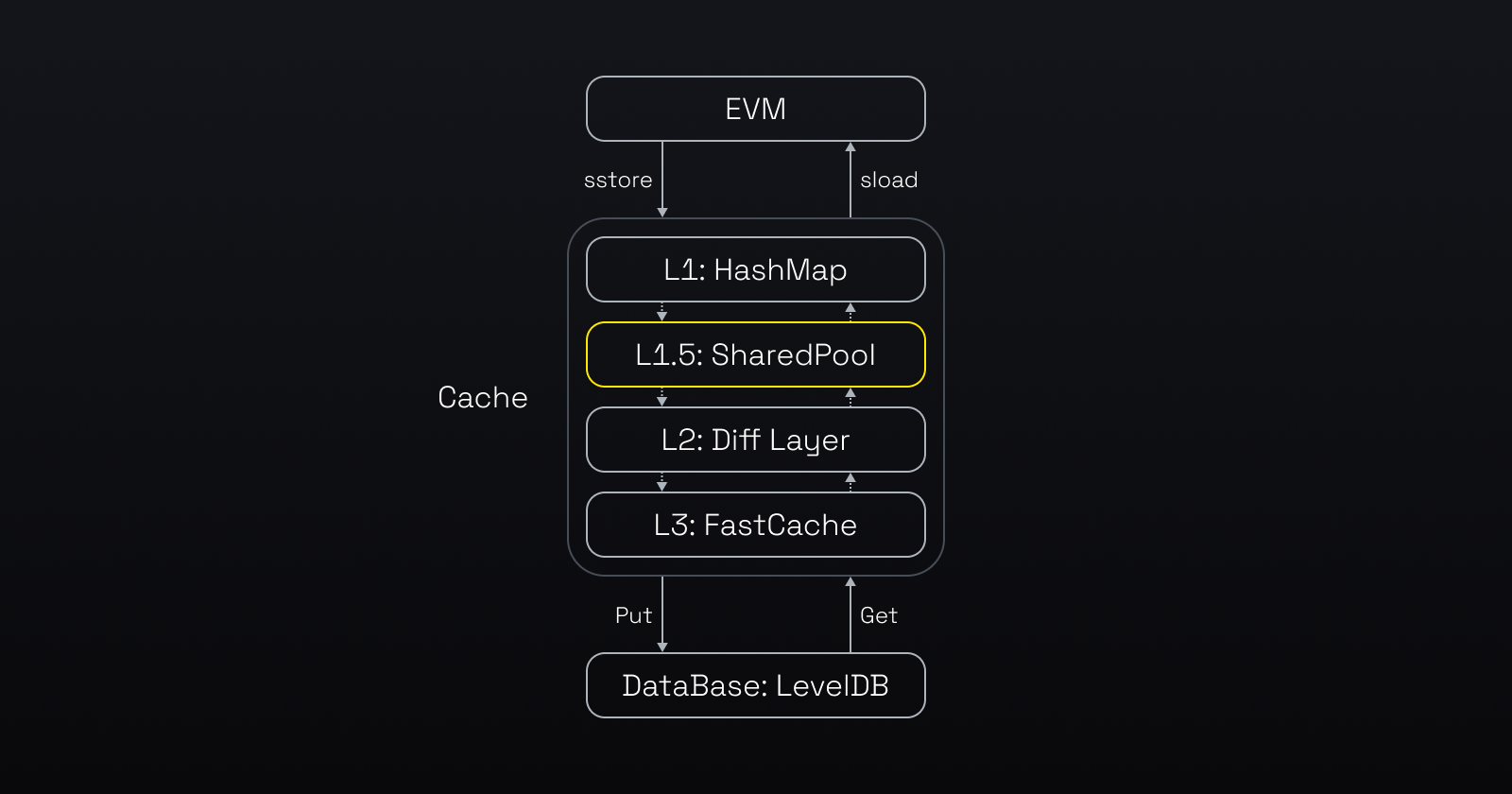
opBNB: High Performance and Low Cost L2 based on Optimism OP Stack …
This setup is perfect for everyday uses like decentralized finance (DeFi) apps, online games, and even NFT trading, where waiting around for confirmations can be a buzzkill.
The Fourier Hardfork: Breaking Down the Changes
The star of the show is the Fourier hardfork, named after a famous mathematician, which went live smoothly on the opBNB mainnet. This isn’t a minor tweak—it’s a fundamental shift that halves the time it takes to create new blocks of data on the network. According to official updates from the BNB Chain team, this upgrade merges key improvements to enhance overall performance.
From 500ms to 250ms: What Block Time Really Means
Block time is like the heartbeat of a blockchain—it’s the interval between adding new bundles of transactions to the chain. Previously at 500 milliseconds (half a second), it’s now slashed to just 250 milliseconds. That might sound tiny, but in the fast-paced world of crypto, it means transactions get confirmed in the blink of an eye. For context, this reduction directly addresses bottlenecks in high-demand scenarios, as noted in the upgrade’s GitHub documentation.

From 10-Minute Blocks to Real-Time Transaction Streaming …
Visualize it like reducing traffic light wait times in a busy city; everything flows better, reducing jams and frustrations.
Doubling Transaction Speed: How It Works and Why It Matters
By cutting block time in half, the network effectively doubles its capacity to handle transactions. This isn’t just theoretical—real tests and implementations show opBNB now processes deals at lightning speed, making it competitive with traditional payment systems. Changpeng Zhao, founder of Binance, highlighted this milestone, emphasizing how it boosts responsiveness for apps built on the chain.
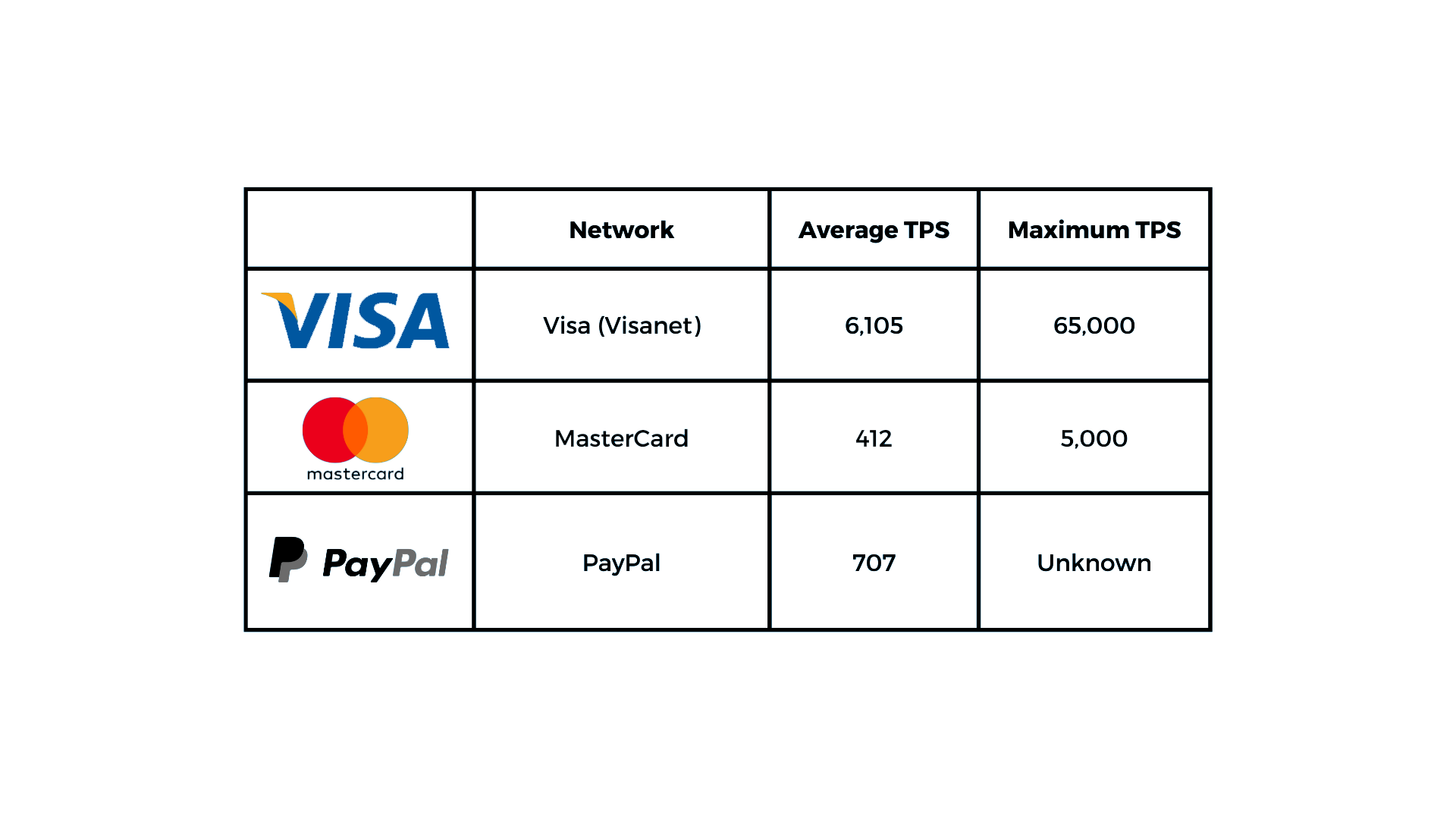
100,000 Transactions Per Second – TON Sets The World Record On Its …
In simple terms, if you’re swapping tokens or playing a blockchain game, you’ll notice fewer delays, leading to a more seamless experience.
Everyday Benefits: How This Upgrade Affects You
For the average user, this hardfork translates to tangible perks. In DeFi, where timing can mean the difference between profit and loss, faster speeds mean quicker trades and lower risks from market volatility. Gamers on opBNB-powered platforms will enjoy lag-free interactions, turning clunky experiences into fluid fun. Even for newcomers dipping their toes into crypto, reduced wait times make the whole process less intimidating.
opBNB: BNB Chain’s Layer 2 Powering DeFi – BNB Chain Blog
Studies from blockchain analytics firms like CryptoPolitan underline that such optimizations can increase user adoption by up to 50% in emerging ecosystems, drawing in more people who were previously put off by slow networks.
Broader Impacts on the Blockchain World
Looking beyond individual users, this upgrade positions opBNB as a frontrunner in the Layer 2 race. It strengthens the BNB Chain’s ecosystem, potentially attracting more developers to build innovative apps. In a broader sense, as reported by industry watchers, these enhancements contribute to the scalability trilemma—balancing speed, security, and decentralization—pushing the entire crypto space forward.
With transaction costs already low (often under a cent), doubling speed without hiking fees could lure projects from overcrowded networks like Ethereum, fostering a more vibrant and competitive landscape.
Wrapping Up: A Faster Future Awaits
The opBNB Fourier hardfork isn’t just an update; it’s a leap toward making blockchain technology as user-friendly as your favorite app. Whether you’re a DeFi enthusiast, a gamer, or just curious about crypto, this means quicker, more reliable interactions. Keep an eye on opBNB—it’s proving that blockchain can evolve to meet real-world needs without the usual headaches. If you’re ready to explore, check out the official BNB Chain resources for getting started.