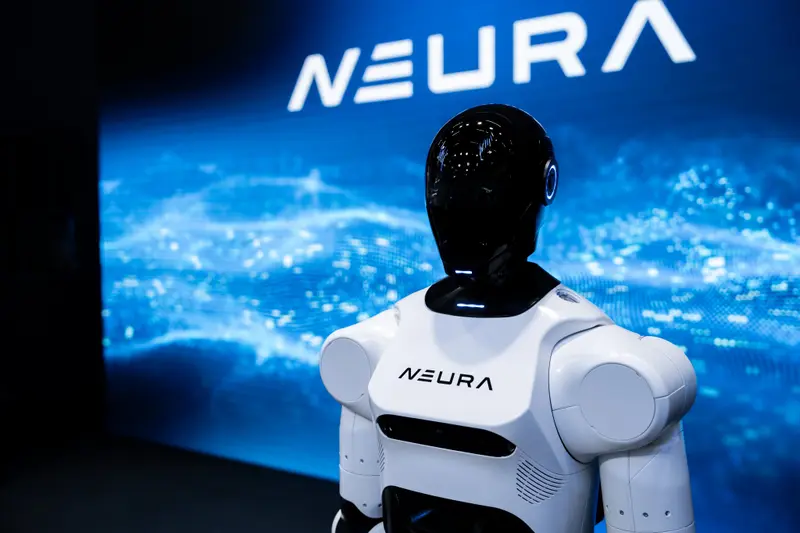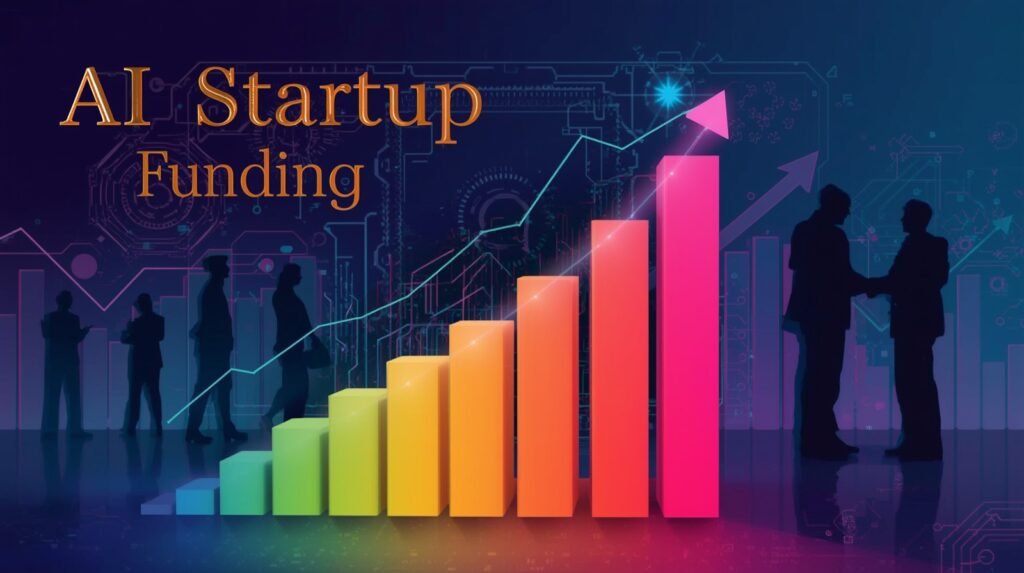
What if your virtual assistant didn’t just schedule meetings but also picked up on your frustration during a tough day and suggested a quick breathing exercise? That’s the kind of intuitive tech Neura is cooking up, and the buzz around its latest funding round shows investors are all in on making AI feel a little more human. Fresh off a star-studded investment announcement, this Web3-powered emotional AI firm is positioning itself at the heart of tomorrow’s empathetic digital world.
Meet Neura: Pioneering Emotional Intelligence in AI
Neura isn’t your run-of-the-mill chatbot maker—it’s crafting AI agents that truly “get” you. Founded by a team of ex-Microsoft AI pros, the startup blends cutting-edge emotion recognition with blockchain smarts to create companions that remember your moods, adapt to your vibe, and even evolve with cultural nuances. Unlike generic bots that spit out canned responses, Neura’s tech uses multimodal inputs—like voice tone, facial cues, and text sentiment—to build ongoing, personalized interactions.
At the core is their proprietary emotion-conditioned decoding system, which ensures conversations flow naturally over time, without the creepy reset that plagues most apps. Early prototypes have clocked impressive stats, like spotting emotions with 91.4% accuracy, proving this isn’t hype—it’s hardware-ready innovation.
The Power Players Backing Neura’s Vision
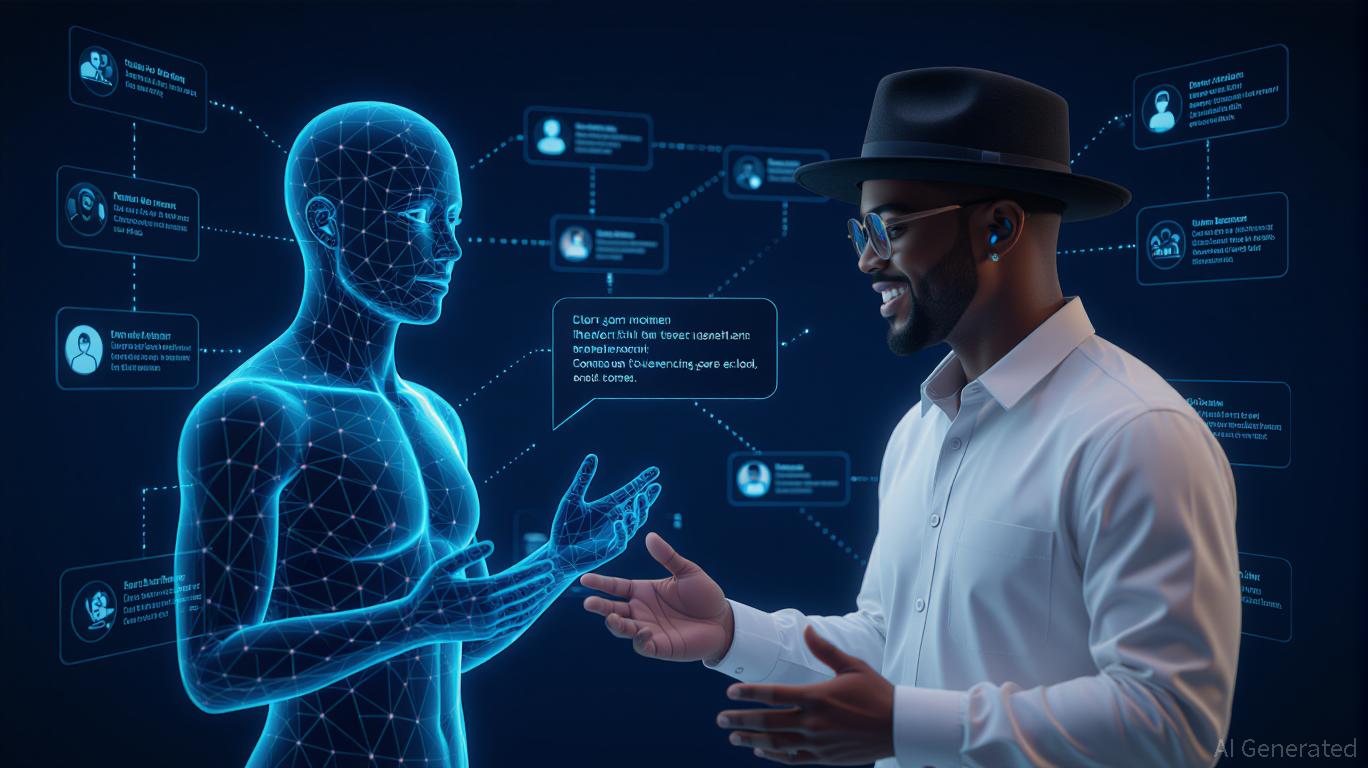
The real fireworks came on September 24, 2025, when Neura revealed its latest backers: a mix of venture heavyweights and cultural trailblazers. Leading the charge are MH Ventures and CSP DAO, both deep in the Web3 game, alongside IBC Group for that institutional muscle. But the plot twist? Grammy winner Ne-Yo and entrepreneur Mario Nawfal jumped in too, bringing star power that screams crossover appeal.
This isn’t pocket change—it’s a vote of confidence from folks who know talent when they see it. Ne-Yo’s involvement hints at entertainment tie-ins, while Nawfal’s media savvy could amp up Neura’s reach. For a startup still in its growth phase, landing these names isn’t just funding; it’s a neon sign that emotional AI is primed for mainstream breakout.
Under the Hood: How Neura’s Tech Stands Out
Diving deeper, Neura’s secret sauce lies in its Web3 foundation, where users actually own their data and “emotional profiles.” Forget Big Tech hoarding your feelings—here, blockchain lets you control, monetize, or even transfer those digital bonds securely. The system processes emotions through advanced neural networks that layer in context from past chats, making each exchange feel like catching up with an old friend.
Testing phases have shown users sticking around for 78% retention after three months, a gold standard in an app world full of one-and-dones. This tech isn’t locked in a lab; it’s gearing up for real-world plugs, from smart devices to virtual therapy sessions.
Everyday Magic: Where Neura Could Change Lives
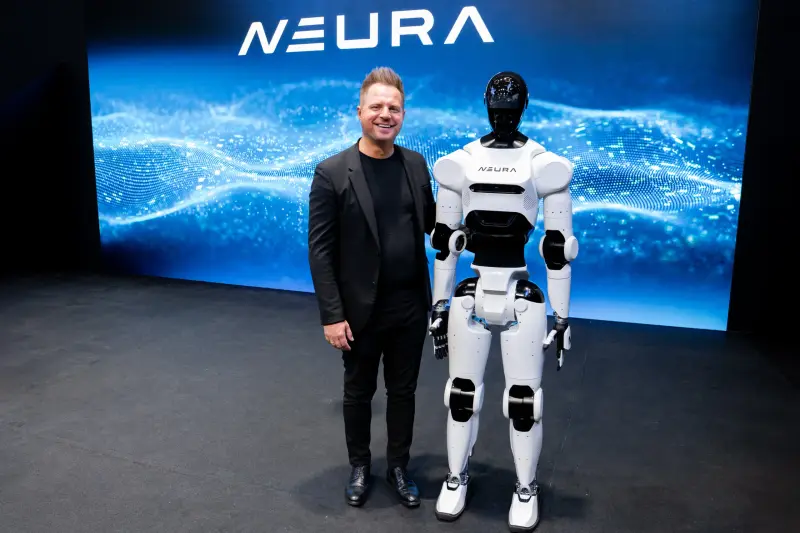
Think about a student struggling with math homework—Neura’s AI could tweak explanations based on detected boredom or anxiety, turning frustration into “aha!” moments. In retail, it might nudge personalized picks that match your upbeat mood after a promotion, boosting satisfaction without the salesy push. Healthcare pros see it aiding therapy by maintaining session continuity, while gamers could bond with NPCs that grieve losses or celebrate wins alongside you.
These aren’t far-off dreams; they’re tied to sectors hungry for human touch in a screen-heavy era. A Roots Analysis report forecasts the emotion AI market exploding from $5.73 billion in 2025 to $38.50 billion by 2035, at a 20.99% CAGR, underscoring why backers are betting big on tools like Neura.
Why This Matters: A Confidence Boost for AI’s Human Side
Neura’s funding wave isn’t isolated—it’s a pulse check on investor appetites amid AI’s ethical debates. With celebs and VCs aligning, it signals a shift toward “good” AI that prioritizes empathy over efficiency alone. In a market jittery from overhyped flops, this backing reassures everyday folks that thoughtful innovation is winning out.
As Neura eyes 2030, when emotionally savvy agents could underpin daily digital life, the road ahead brims with potential. For creators, patients, shoppers, and dreamers, it’s a reminder: AI’s future might just care enough to listen.