In a world where cryptocurrency promises quick riches, Pi Network stands out with its user-friendly mobile mining app that lets everyday people “mine” coins without fancy hardware. But beneath the hype, a chilling warning has emerged: a fraudulent wallet threatening $346 million in tokens, just as millions gear up for a massive unlock event. If you’re one of the 60 million users eyeing your Pi holdings, staying safe isn’t about luck—it’s about smart moves. Let’s dive into how you can shield yourself from this looming danger without getting lost in tech jargon.
What Is Pi Network and Why the Sudden Alarm?
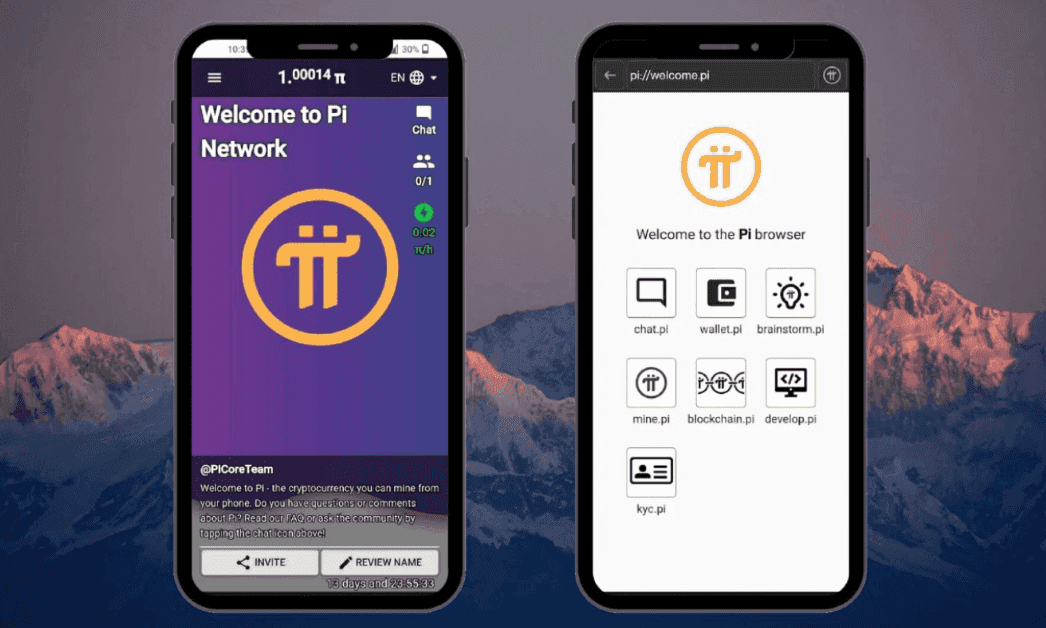
Pi Network isn’t your typical crypto project. Launched in 2019 by Stanford PhDs, it allows users to mine Pi coins via a simple app on their phones, building a community of over 60 million pioneers worldwide. The idea? Make crypto accessible to everyone, no energy-guzzling rigs required. However, as the network edges toward its “Open Network” phase—where coins become tradable—scams have spiked.
Recently, Pi Network flagged a specific scam wallet that’s been siphoning unlocked tokens and scattering them across smaller addresses to hide tracks. This isn’t just pocket change; it’s tied to a staggering $346 million in at-risk tokens, especially risky with only 16 million wallets migrated so far out of the upcoming 60 million user unlock. Think of it like a digital pickpocket lurking in a crowded market—users who aren’t vigilant could lose big.

Breaking Down the $346M Scam Wallet Threat
The core issue revolves around a fake wallet address: GD7HK7QQG372CKUWDWGWQLH4F3WKNBPLIWFYCXT6HHJ7DIOHPA4YFRUS. Scammers use this to trick users into transferring tokens, often through phony websites mimicking official Pi platforms or phishing emails promising early unlocks. Once tokens hit this wallet, they’re redistributed to obscure their origins, making recovery nearly impossible.
Why $346 million? That’s the estimated value of vulnerable tokens based on current market projections, amplified by the impending migration phase where users verify and unlock their holdings. Experts from sources like Econexus Finance highlight how these scams prey on excitement around big events, targeting newcomers who might not spot red flags like unsolicited transfer requests or too-good-to-be-true rewards.
For context, a report from the Blockchain Association notes that phishing attacks in crypto rose 40% in 2024, with mobile apps being prime targets due to their accessibility. This aligns with Pi’s situation, where the app’s simplicity ironically makes it easier for fraudsters to exploit trust.
Spotting the Signs of a Pi Network Scam
Before we get to protection, know your enemy. Scams don’t always scream “fraud”—they whisper promises. Here are everyday clues:
- Unsolicited Messages: Random DMs or emails urging you to “verify” your wallet or claim bonuses? Big no.
- Fake Apps and Sites: Lookalikes with slight URL tweaks, like pi-network.co instead of the official pi.network.
- Pressure Tactics: Scammers create urgency, saying “act now or lose your coins” during unlock periods.
Remember, official Pi communications never ask for your private keys or seed phrases. If it feels off, it probably is.

Practical Steps to Secure Your Pi Wallet and Avoid Losses
The good news? Avoiding this $346M pitfall is straightforward if you follow these user-friendly tips. No need for advanced tech skills—just common sense and official tools.
Stick to Official Channels Only
Always download the Pi app from trusted sources like the Google Play Store or Apple App Store, and use the official website (pi.network). Pi’s team announced on X (formerly Twitter) about the scam wallet, emphasizing verified updates. Bookmark the Pi Safety Center—it’s your go-to hub for real alerts and education on threats.
Enable Advanced Security Features
Pi is rolling out PassKeys, a game-changer that uses your device’s biometrics (like fingerprint or face ID) or a PIN instead of passwords. This slashes phishing risks since scammers can’t steal what they can’t access remotely. Activate it in your app settings right away—it’s like adding a deadbolt to your digital door.
Also, turn on two-factor authentication (2FA) wherever possible. According to a 2025 cybersecurity study by Chainalysis, 2FA blocks 99% of automated attacks.
Verify Before You Transfer
Before sending any Pi, double-check wallet addresses. Copy-paste errors or swapped characters are scammer tricks. Use the app’s built-in scanner if available, and test with tiny amounts first.
Educate Yourself and Stay Updated
Join official Pi communities on Discord or the app’s forums, but ignore unverified groups on social media. Read up on crypto basics—resources like Coinbase Learn offer free guides on wallet safety without overwhelming you.
If you’ve already fallen victim, report it immediately via Pi’s support and local authorities. Early action can sometimes recover funds, though prevention is always better.
Wrapping Up: Stay Vigilant for a Safer Crypto Journey
The $346M scam wallet risk in Pi Network underscores a broader truth: crypto’s potential comes with pitfalls, but knowledge is your best shield. By sticking to officials, beefing up security, and spotting scams early, you can mine Pi with peace of mind. As the network evolves, so do the threats—keep learning, and you’ll not only avoid losses but thrive in this exciting space. What’s your take on Pi’s future? Share in the comments below!