
As of March 2026, Europe’s Markets in Crypto-Assets (MiCA) framework is fully operational, turning what was once a fragmented set of national crypto rules into a single, continent-wide standard. Since the stablecoin provisions started in mid-2024 and the full CASP regime went live on December 30, 2024, national authorities have been granting licenses to crypto firms at a steady pace. This unified approach gives users more confidence when trading, storing, or using digital assets, while companies gain clearer paths to operate legally across all 27 EU countries (European Securities and Markets Authority – ESMA, MiCA progress update, February 2026).
For the average person holding Bitcoin in an app wallet or buying Ethereum on an exchange, MiCA translates to platforms that must follow strict safety rules—no more worrying as much about sudden collapses or hidden risks.

What is the MiCA Regulation?
Breaking Down MiCA: What It Actually Covers
MiCA isn’t just another regulation—it’s designed to cover the entire crypto ecosystem in a balanced way. It kicked off with rules for stablecoins (like those pegged to euros or dollars) back in June 2024, then expanded to require licenses for any business providing crypto services starting late 2024.
Key areas include exchanges that let you buy and sell tokens, custody services that hold your assets securely, trading platforms, and even advisory services on crypto investments. The big idea: one license from any EU country allows a company to offer services everywhere else in the bloc through “passporting,” saving time and hassle compared to applying separately in each nation.
This creates a level playing field, protects everyday users from shady operators, and encourages serious companies to build in Europe rather than elsewhere.
MiCA Regulation: Key Dates, Upcoming Changes, and New Challenges | OAK Research
The CASP Licensing Process: Step by Step
Getting a CASP (Crypto-Asset Service Provider) license means proving to a national regulator that your company meets high standards. Applicants submit detailed plans showing:
- Experienced and trustworthy management teams
- Enough financial reserves (from €50,000 for basic advice up to €150,000 for handling trades or custody)
- Solid systems to prevent money laundering and verify customer identities
- Strong cybersecurity to protect user funds and data
- Fair treatment rules so customers understand risks clearly
Approved firms get listed publicly on ESMA’s register, making it easy for anyone to check legitimacy. By early 2026, dozens of platforms had secured full licenses, with more in the pipeline during the ongoing transition phase that ends July 1, 2026.
Bitstamp Secures CASP License Under MiCA
Which EU Countries Are Leading the Way?
Some nations have moved faster and become go-to spots for crypto businesses seeking approval:
- Germany and the Netherlands lead in sheer number of licenses issued, thanks to efficient regulators and strong fintech scenes.
- France, Malta, and Luxembourg draw applicants with supportive policies and reasonable timelines.
- Countries like Lithuania, Poland, Bulgaria, and Cyprus appeal to startups because of lower costs and quicker processing.
This healthy competition keeps standards high while giving companies real choices on where to base operations—then expand EU-wide.
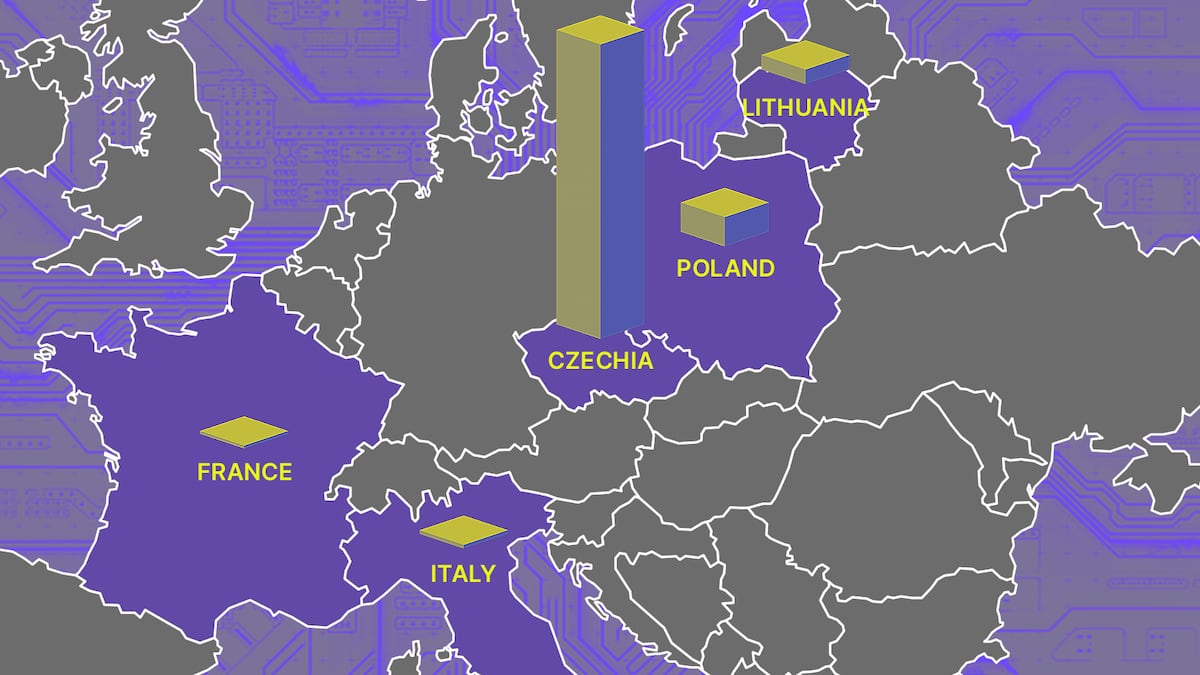
Czechia on top and Belgium MIA: Five surprising takeaways from our Europe Crypto Tracker – DL News
Real Benefits for Regular Users and Small Businesses
If you’re someone who occasionally sends crypto to friends, invests small amounts, or runs an online shop accepting digital payments, MiCA delivers practical advantages:
- Licensed platforms face strict requirements to safeguard your money and personal information.
- Better transparency means easier understanding of fees, risks, and how your assets are handled.
- Reduced exposure to unregulated “fly-by-night” services that could vanish with funds.
Small businesses get a more predictable environment for accepting crypto, and investors benefit from standardized disclosures on tokens and services.
Of course, some unlicensed platforms may leave the market during the transition, temporarily narrowing choices—but the result is a cleaner, more reliable space overall.

Mobile Wallet Security: Protecting Your Digital Payments – Vacuumlabs
The Road to July 2026 and What Comes Next
The clock is ticking toward July 1, 2026, when the last transitional allowances expire. After that date, only fully MiCA-licensed providers can serve EU customers legally. Expect more approvals, clearer market leaders, and enhanced features as companies adapt to the new rules.
Europe’s move with MiCA shows how regulation can foster trust and growth rather than stifle it. By setting a high but achievable bar, the EU is helping turn crypto from a speculative frontier into a safer, more accessible part of everyday finance—for users, businesses, and innovators alike.