Lido V3 Launches on Ethereum With New stVaults Feature
On January 30, 2026, Lido — Ethereum’s leading liquid staking protocol — introduced Lido V3 on the mainnet. This major upgrade brings stVaults, a powerful new feature that lets users and organizations create customized staking setups while still enjoying the liquidity of stETH.
Gone are the days of a single shared pool for everyone. Now, whether you’re an everyday holder, a DeFi builder, or an institution, you can tailor your staking experience to fit specific needs — all built on Lido’s battle-tested infrastructure.
It’s like moving from a standard savings account to one where you pick your own interest rules, security preferences, and reward splits.

Breaking Down the Core Innovation: stVaults Explained
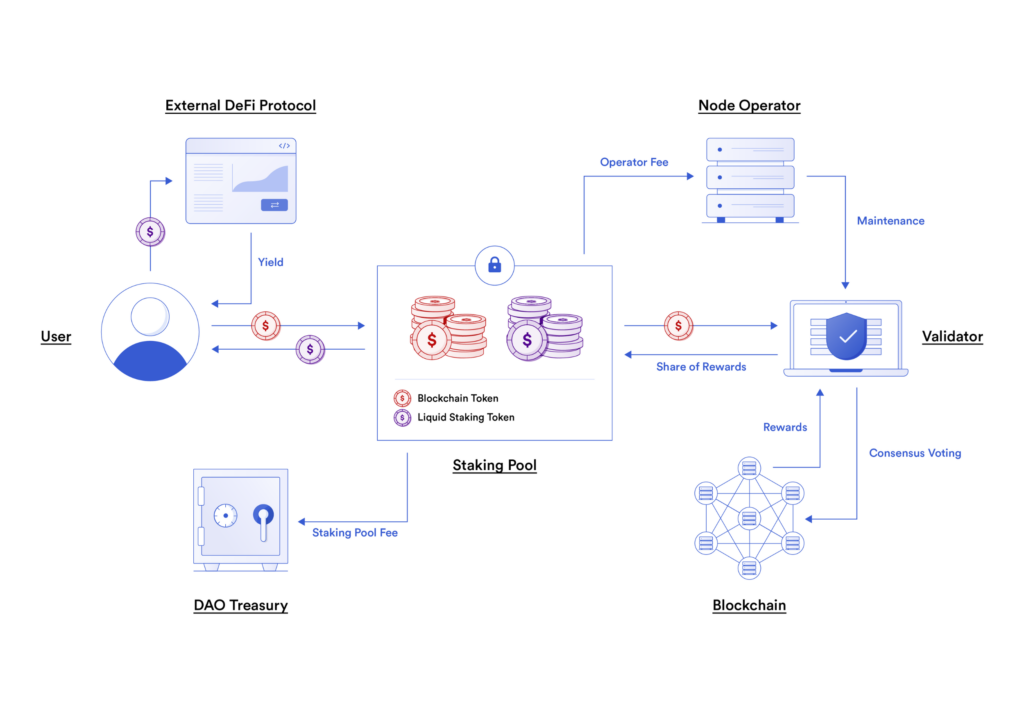
In earlier versions, staking ETH through Lido meant joining one big communal pool managed by a diverse set of node operators. You received stETH, a liquid token you could trade, lend, or use in DeFi while your ETH earned staking rewards.
Lido V3 keeps that core simplicity for most users but adds stVaults for those who want more control. These are smart-contract-based vaults where you:
- Select preferred node operators (or groups using technologies like distributed validators)
- Define custom parameters — fees, MEV capture strategies, insurance options, geographic preferences, or compliance rules
- Stake ETH directly into your vault
- Optionally mint stETH backed by your vault’s stake, keeping full DeFi composability
Your rewards flow according to your settings, and the vault remains isolated so your choices don’t impact the wider pool.
Who Really Gains From stVaults?
For casual stakers depositing small amounts, the classic Lido interface remains unchanged and user-friendly.
The real game-changer targets:
- Institutions — Banks, funds, and custodians needing dedicated validators, audit trails, or regulatory alignment without building their own staking operations from scratch.
- Layer-2 ecosystems — Networks can launch branded or optimized staking vaults that integrate seamlessly with their chains while leveraging stETH’s deep liquidity.
- Advanced DeFi projects — Protocols can experiment with new yield products, restaking integrations, or specialized reward mechanisms.
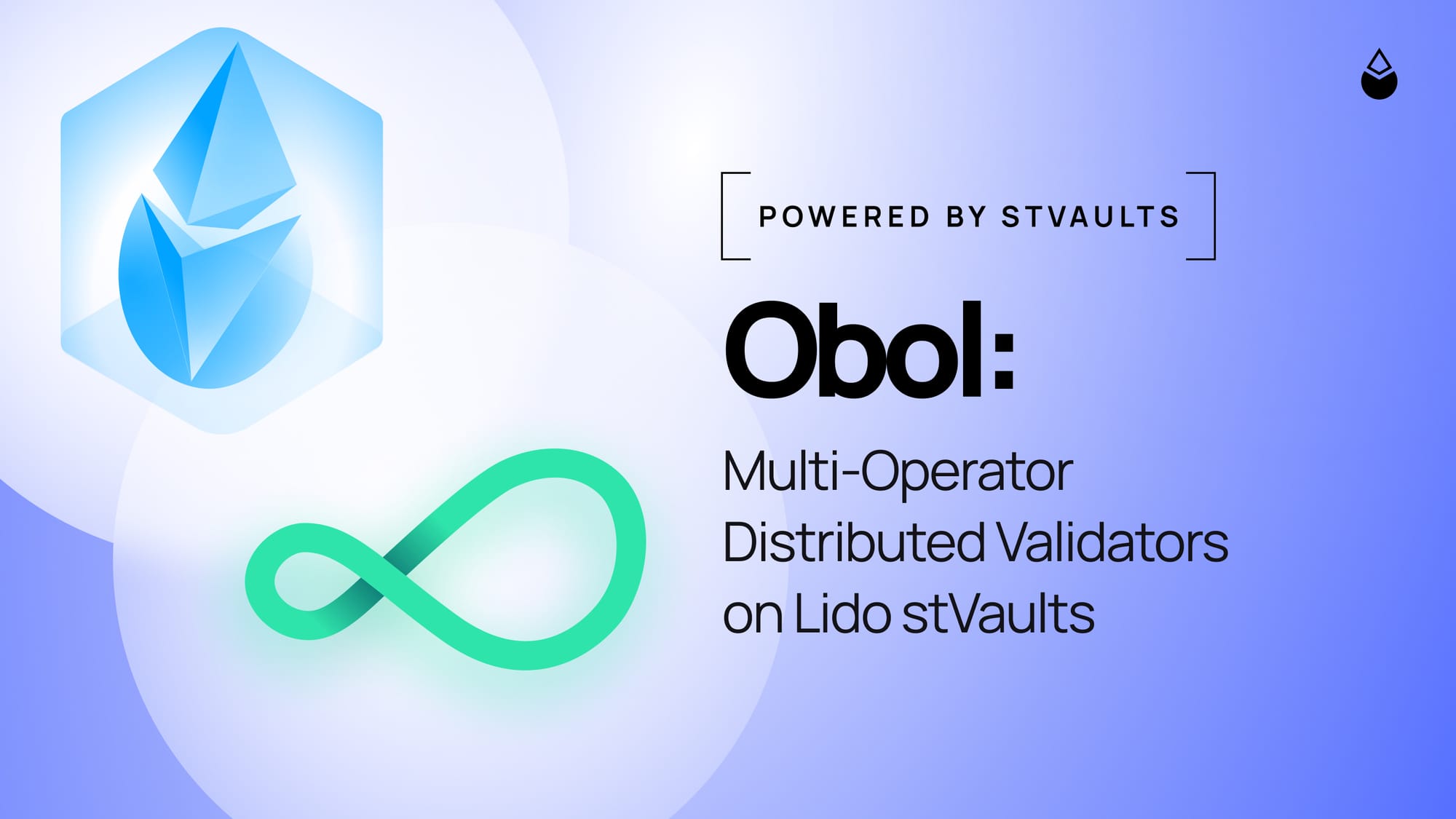
- Node operator teams — Groups like Obol, Northstake, P2P.org, and Chorus One quickly rolled out their own stVaults at launch, offering multi-operator security or niche features.
This diversity strengthens Ethereum’s staking landscape overall.
Strengthening Ethereum’s Decentralization and Adoption
With over 30% of ETH now staked, concerns about centralization have lingered. stVaults encourage a more modular, spread-out staking environment. Instead of one dominant pool, we get many purpose-built vaults running on the same secure foundation.
This setup makes it easier for serious capital to participate without compromising on control or compliance. As reported in crypto media coverage of the launch, stVaults allow builders to “extend Lido’s staking layer” rather than reinvent it, accelerating innovation while preserving liquidity.

Easy Access and What’s Coming Next
Visit v3.lido.fi or check the main Lido site to see the updated dashboard. Most users can continue staking the usual way — no action required.
For those interested in custom vaults, detailed docs and partner examples (from Obol’s multi-operator setups to Northstake’s institutional focus) are already live.
The Lido team conducted extensive testnet trials, audits, and community input before mainnet activation, ensuring a stable rollout.
As Ethereum scales and attracts more real-world applications, features like stVaults make staking more adaptable, inclusive, and powerful — helping secure the network while giving users genuine choice.
Whether you’re earning passive rewards or designing the next big DeFi primitive, Lido V3 just raised the bar for what’s possible in liquid staking.