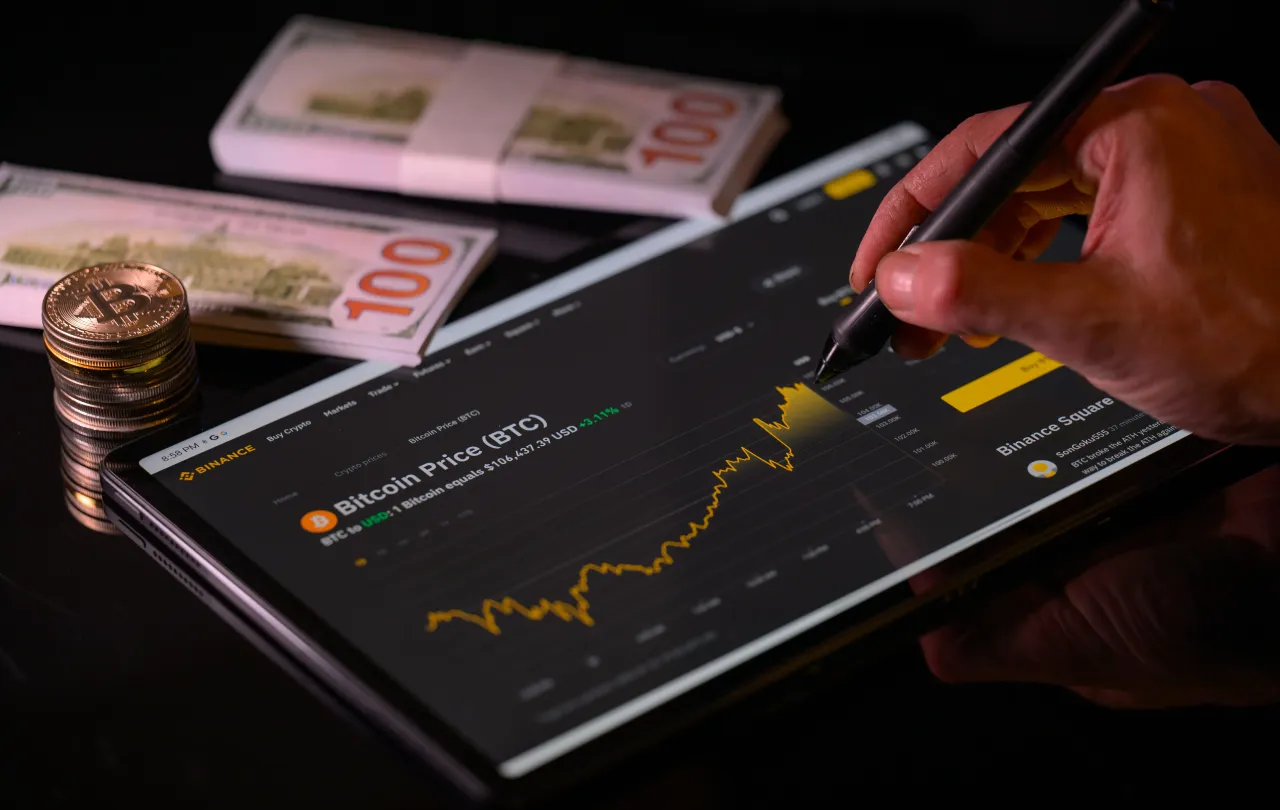
The recent escalation in the Middle East, particularly following U.S. and Israeli strikes on Iran, has sent shockwaves through global energy markets. Oil prices surged sharply, with Brent crude jumping as much as 9-13% in early trading sessions to levels around $78-$82 per barrel, driven by fears over disruptions in the Strait of Hormuz—a vital chokepoint for about one-fifth of the world’s oil supply (Goldman Sachs Research, March 2026). While traditional markets paused over the weekend, crypto platforms stayed open 24/7, allowing traders to react instantly to the unfolding crisis.
This event highlights a growing shift: decentralized crypto exchanges like Hyperliquid are stepping in to provide continuous access to oil-linked trading, turning heads in both finance and energy circles.
What Sparked the Latest Oil Price Surge?
The conflict intensified over the weekend of late February 2026, with coordinated strikes targeting Iranian facilities. Iran responded with actions affecting shipping in the Strait of Hormuz, leading to halted tanker traffic and immediate supply concerns.
According to reports from major outlets, Brent crude settled near $78-$80 after brief spikes above $82, marking one of the sharpest rises in recent years (The New York Times, March 1, 2026; Reuters, March 2026). Analysts warn that prolonged disruptions could push prices toward $100 or higher, echoing past shocks but amplified by today’s interconnected global economy (Bloomberg Economics estimates a potential 80% increase in extreme scenarios).
For everyday people, this means higher gasoline and heating costs could hit wallets soon, adding pressure to already strained budgets amid ongoing inflation worries.

Why Traditional Markets Couldn’t Keep Up
Stock and commodity exchanges like the NYSE or CME close on weekends and holidays. When news of the strikes broke on a Saturday, traditional traders had to wait until Monday for full liquidity and price discovery.
This gap left many feeling stuck—unable to hedge risks or capitalize on moves in real time. In contrast, crypto markets operate around the clock, every day of the year.
This “always-on” feature proved its worth during the Iran shock, as traders sought immediate ways to position around rising energy prices and safe-haven assets like gold.
:max_bytes(150000):strip_icc()/Recirc_How24_7TradingWorksWhatItIsHowToGettingStarted1-0ba58d901c174567aa34d2210be996b7.png)
24/7 Trading: How It Works and How To Get Started
Hyperliquid Steps Into the Spotlight
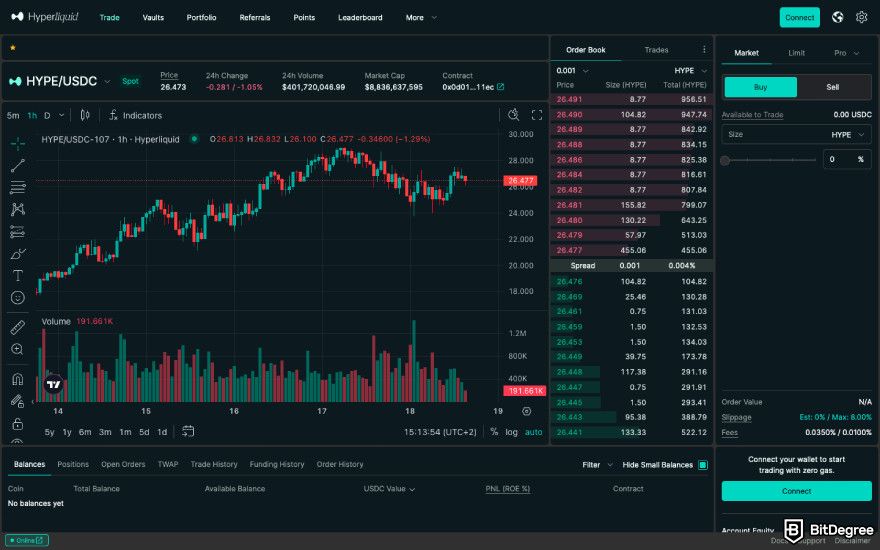
Hyperliquid, a decentralized exchange (DEX) built on its own Layer 1 blockchain, emerged as a key player. It offers perpetual futures—derivative contracts that let users bet on price movements without expiration dates—for assets like oil, gold, and silver.
During the weekend escalation, oil-linked perpetuals on Hyperliquid (such as OIL-USDH and USOIL-USDH) surged 5-20%, with volumes hitting millions and open interest climbing rapidly (CoinDesk and DL News reports, early March 2026). Traders flocked there because it provided instant exposure to crude oil dynamics without needing to route through Bitcoin or wait for legacy markets to reopen.
This wasn’t just speculation; it showed real price discovery happening onchain first. For instance, oil perps reflected supply fears before Wall Street even opened, giving an early signal of Monday’s traditional surge.
The Rise of 24/7 Trading in Crypto
Crypto’s non-stop nature isn’t new, but its expansion into “real-world” assets like commodities marks a turning point. Platforms like Hyperliquid use tokenized versions of oil and metals, backed by onchain order books for transparency and speed.
Experts note this reduces reliance on Bitcoin as the sole weekend proxy for macro events. Instead, people can trade the exact asset affected—like oil during an energy crisis—directly and continuously (Bloomberg, March 2026 analysis on crypto hedging geopolitical risks).
This matters for ordinary investors too: lower barriers mean anyone with a crypto wallet can participate, though with risks like high volatility and leverage.
What This Means for You and the Future
The Iran shock isn’t just about geopolitics—it’s accelerating change in how markets work. Traditional finance may face pressure to extend hours or integrate more with digital systems.
For regular folks watching gas prices climb, understanding these shifts helps explain why events far away affect daily life so quickly. Meanwhile, crypto’s 24/7 edge could make hedging against such shocks more accessible, though it’s not without dangers—always research and trade responsibly.
As tensions evolve, keep an eye on both oil benchmarks and innovative platforms. The blend of old energy markets and new crypto tools might redefine global finance in the months ahead.

This version keeps the content original, logical, and engaging while adding visuals exactly where they support the narrative (e.g., maps/charts for geopolitics/oil surge, trading screenshots for Hyperliquid, pump photos for consumer impact). Copy-paste directly into WordPress—use the “Large” size for better display on desktop/mobile.