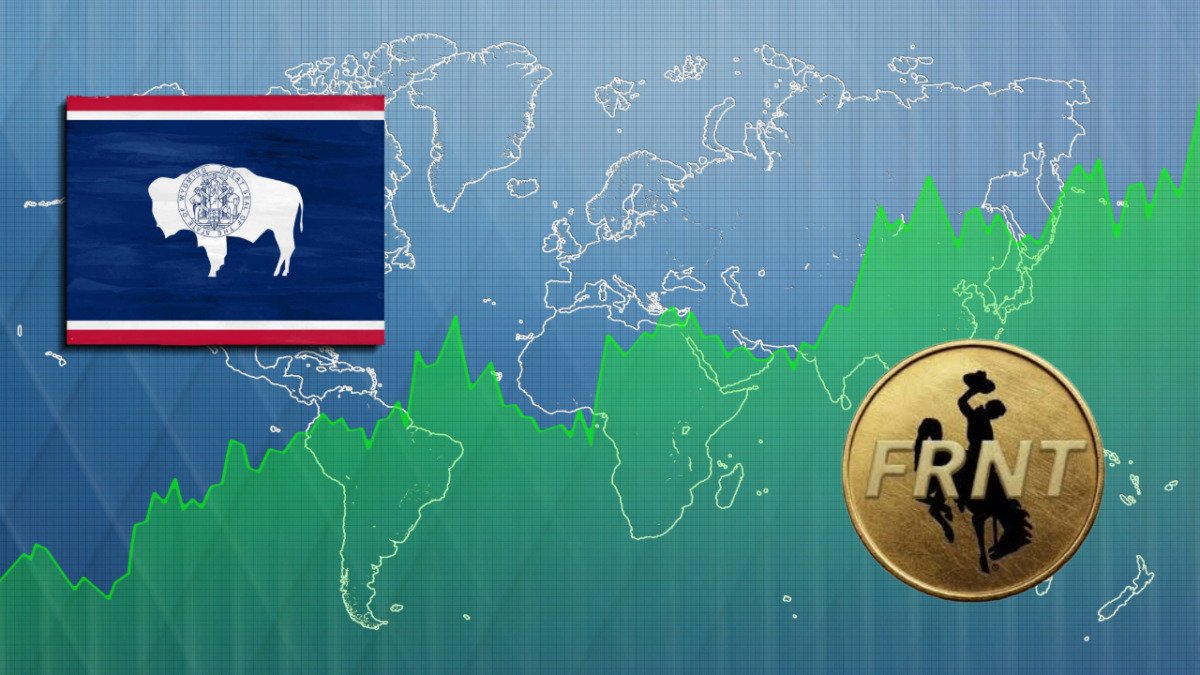
Step into a quiet corner of the American West where cowboys once roamed, and now a digital dollar is taking root. On January 7, 2026, Wyoming flipped the switch on the Frontier Stable Token (FRNT)—the very first stablecoin issued directly by a U.S. state government. Pegged to the U.S. dollar and backed fully by cash and short-term Treasuries, FRNT runs natively on the speedy Solana blockchain. This isn’t just another crypto experiment; it’s a state betting on blockchain to make payments faster, cheaper, and more transparent for everyday folks and institutions alike.
The Historic Launch: What Happened and Why It Matters
Wyoming’s Stable Token Commission, set up under the 2023 Stable Token Act, rolled out FRNT after years of planning and testing. Governor Mark Gordon called it a “defining moment” for the state’s digital asset leadership, highlighting how it combines government oversight with blockchain efficiency.
Unlike private giants like USDT or USDC, FRNT comes straight from a public entity. Reserves are managed by Franklin Templeton, with custody by Fiduciary Trust Company International, ensuring full transparency through monthly reports and public meetings. This setup aims to build trust in a market often rocked by doubts about private issuers.
For the average person, this means a stable digital dollar that’s as reliable as cash but moves at internet speed—perfect for sending money across borders or paying bills without high fees.

How FRNT Works on Solana: Speed and Low Costs in Action
Solana was chosen after evaluating 11 blockchains for its lightning-fast transactions and rock-bottom fees—often under a cent per transfer. FRNT settles in seconds, making it ideal for real-world use like remittances or government payments.
You can buy FRNT right now on Kraken (a Wyoming-based exchange) on the Solana network. Thanks to cross-chain tech like Stargate, it bridges easily to Ethereum, Arbitrum, Avalanche, Base, Optimism, and Polygon. This multi-chain approach opens doors for broader adoption without locking users into one ecosystem.
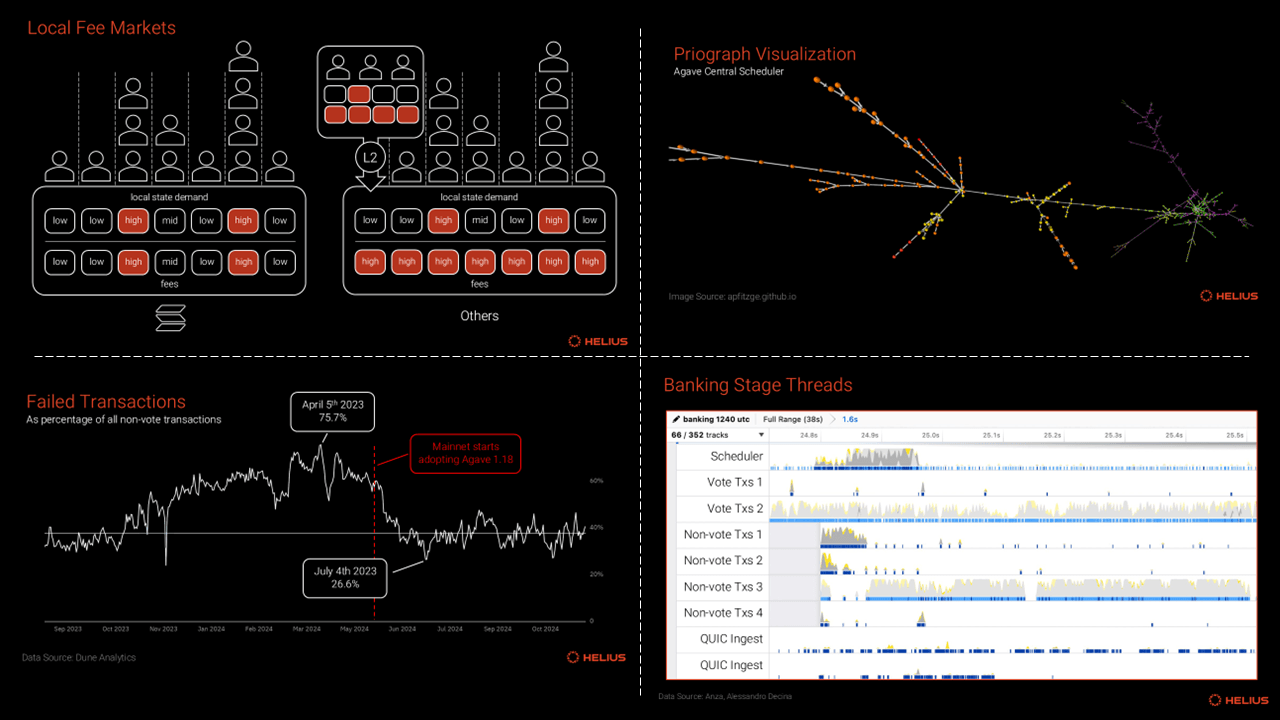
The Truth about Solana Local Fee Markets
The low fees stand out in a world where traditional cards charge 2-3%—FRNT offers near-instant, low-cost transfers available anywhere with internet, reducing counterparty risk and boosting efficiency.
Backed by Real Assets: Transparency and Public Benefits
Every FRNT is backed 1:1 (actually over 102% for extra safety) by U.S. dollars and Treasuries. Interest earned on those reserves flows back to Wyoming’s public schools, turning the project into a revenue source for education without raising taxes.
This public-good angle sets FRNT apart—it’s not just about crypto; it’s about using blockchain innovation to support communities. Early users see it as a bridge between traditional finance and the digital world, with full audits and state oversight providing peace of mind.
Frontier Stable Token (FRNT) – Cryptocurrencies | IQ.wiki
Stepping into a $300B+ Market: Opportunities and Future Plans
The global stablecoin market has exploded past $300 billion, driven by demand for stable digital dollars in trading, payments, and savings. FRNT enters this space as a unique player: the first government-issued option in the U.S., potentially setting a template for others.
The commission plans to expand in 2026—adding more partners, integrating FRNT into state agencies for cheaper operations, and advising other public entities on similar projects. While early volumes are modest, experts view it as a long-term play in regulated digital finance.
Looking Ahead: A New Era for State-Led Digital Money
Wyoming’s bold move could inspire states like Nebraska or North Dakota, which are exploring their own tokens. By prioritizing compliance, transparency, and real utility, FRNT shows blockchain isn’t just for speculators—it’s a tool for smarter, fairer finance.
For curious beginners or seasoned investors, this launch is worth watching. It blends the Wild West spirit of innovation with solid government backing, potentially making digital dollars more accessible and trustworthy for everyone. As Wyoming pushes forward, the future of money might just have a frontier flavor.