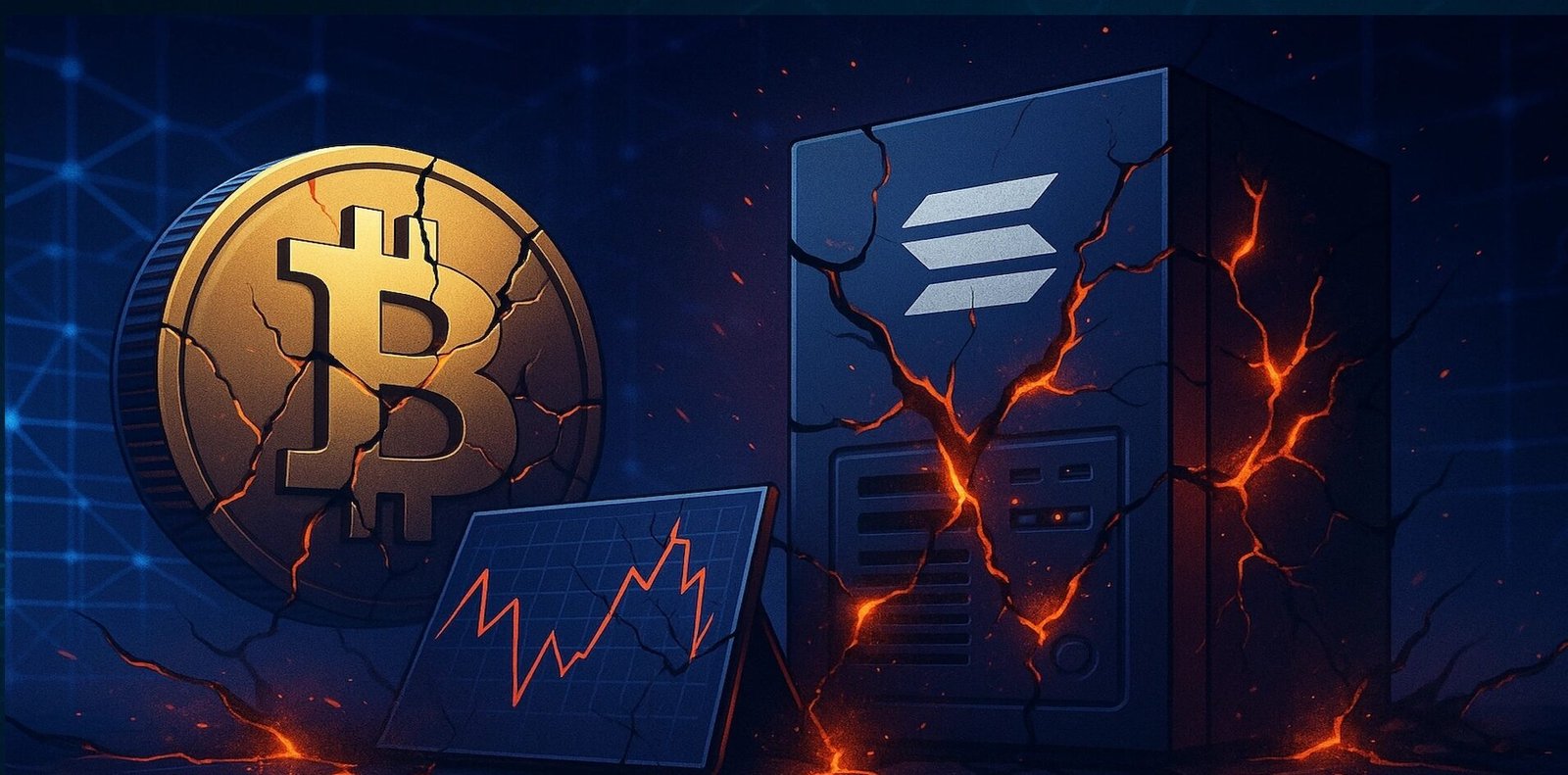
The Step Finance Security Breach: Treasury Compromised in Major Hack rocked the Solana DeFi community on January 31, 2026. In a swift and damaging attack, attackers drained roughly $27–30 million worth of SOL from the project’s treasury and fee wallets, leading to an immediate and severe drop in the STEP governance token’s value—plummeting over 80% in hours.
This wasn’t a flashy smart contract bug; it looked more like a real-world access compromise—possibly stolen keys or tricked team members. For everyday users relying on Step as their go-to Solana portfolio viewer, the news felt like a punch to the gut: even helpful tools aren’t immune to these threats.
Understanding Step Finance: Your Solana Command Center
Step Finance acts like a central hub for anyone active in Solana’s ecosystem. It pulls together your staking rewards, liquidity positions, yields, NFTs, and more into one clean interface—no need to flip between ten different apps.
Launched back in 2021, it became a favorite because it simplifies tracking everything happening across Solana protocols. The STEP token lets holders vote on upgrades and share in platform success.
When a dashboard this useful gets breached, it shakes trust—not just in Step, but in how safely projects manage their own funds.

Breaking Down the Attack: What We Know So Far
The incident unfolded during Asian trading hours. Step’s official X account suddenly announced that multiple treasury wallets had fallen to a “sophisticated actor.” Blockchain explorers quickly showed ~261,854 SOL unstaked and swept away to unknown addresses—equating to about $27–30 million at the time.
The team moved fast: paused what they could, started a full investigation, and called in outside cybersecurity pros. Crucially, everyday user wallets connected to the dashboard weren’t directly hit; the losses came from protocol-controlled reserves used for operations and development.
This fits a worrying 2025–2026 pattern where attackers target project treasuries more often than user funds, exploiting operational weak points rather than code flaws.

The Market Fallout: STEP Token in Freefall
Panic hit instantly. STEP’s price cratered more than 80% as news spread, turning small holdings into fractions overnight. The broader Solana mood soured too, though SOL itself held up better than the project token.
If you’re a STEP holder or regular Step user, the advice right now is simple: double-check your wallet connections, revoke any old approvals you don’t need, and watch official channels for updates.
Why Treasury Drains Hurt DeFi So Much
Project treasuries fund everything: audits, marketing, grants, bug bounties. They’re usually protected with multisig wallets or hardware keys, but one slip—phishing link clicked, key exposed—and funds vanish irreversibly on the blockchain.
Security reports from firms like CertiK show treasury-focused attacks climbed sharply in recent years, often because teams prioritize product speed over ironclad ops security.
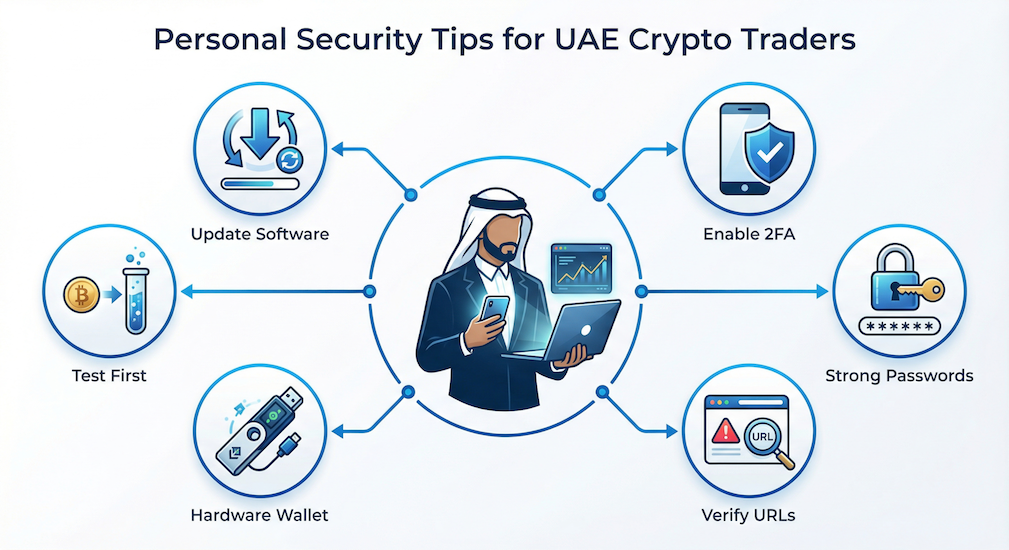
Practical Steps to Protect Yourself in DeFi
No platform is bulletproof, but you can reduce your own risks significantly:
- Store meaningful amounts in hardware wallets (cold storage) to keep keys offline.
- Regularly visit tools like revoke.cash to cancel unnecessary token approvals.
- Turn on 2FA everywhere, avoid clicking suspicious links, and verify URLs before connecting wallets.
- Spread holdings across different tools and chains instead of depending on one dashboard.
Personal responsibility remains the strongest defense in decentralized finance.
What Comes Next: Investigation, Recovery, and Industry Lessons
Step Finance is working with experts to trace the funds and understand exactly how access was gained. On-chain recovery is tough—blockchain doesn’t have an “undo” button—but if stolen SOL hits exchanges that cooperate, freezes might happen.
This breach could push the Solana ecosystem toward stricter treasury standards: better multisig requirements, time-locks, or even community oversight of large wallets.
At its core, events like this remind everyone in crypto that convenience and security constantly trade off. Staying alert and proactive keeps your assets safer—no matter which dashboard you use.