Picture this: a promising decentralized social platform bursts onto the scene with big dreams and even bigger funding, only to hit roadblocks that force a major handover. That’s the story of Farcaster, the Ethereum-based network that aimed to revolutionize how we connect online. As of January 2026, it’s under new ownership by Neynar, marking a pivotal shift in the Web3 landscape after scaling efforts fell short despite a hefty $150 million injection.
Understanding Farcaster: A Decentralized Social Pioneer
Farcaster started as an innovative protocol designed to give users true ownership over their social data, free from the grip of centralized giants like Twitter or Facebook. Built on blockchain technology, it allows people to post, follow, and interact in a way that’s transparent and user-controlled. Think of it as a social network where your profile and posts are yours forever, powered by crypto wallets instead of traditional logins.
To get a sense of its user interface, here’s a glimpse into how Farcaster’s main client, Warpcast, looks and feels—simple yet powerful for everyday chatting and sharing.
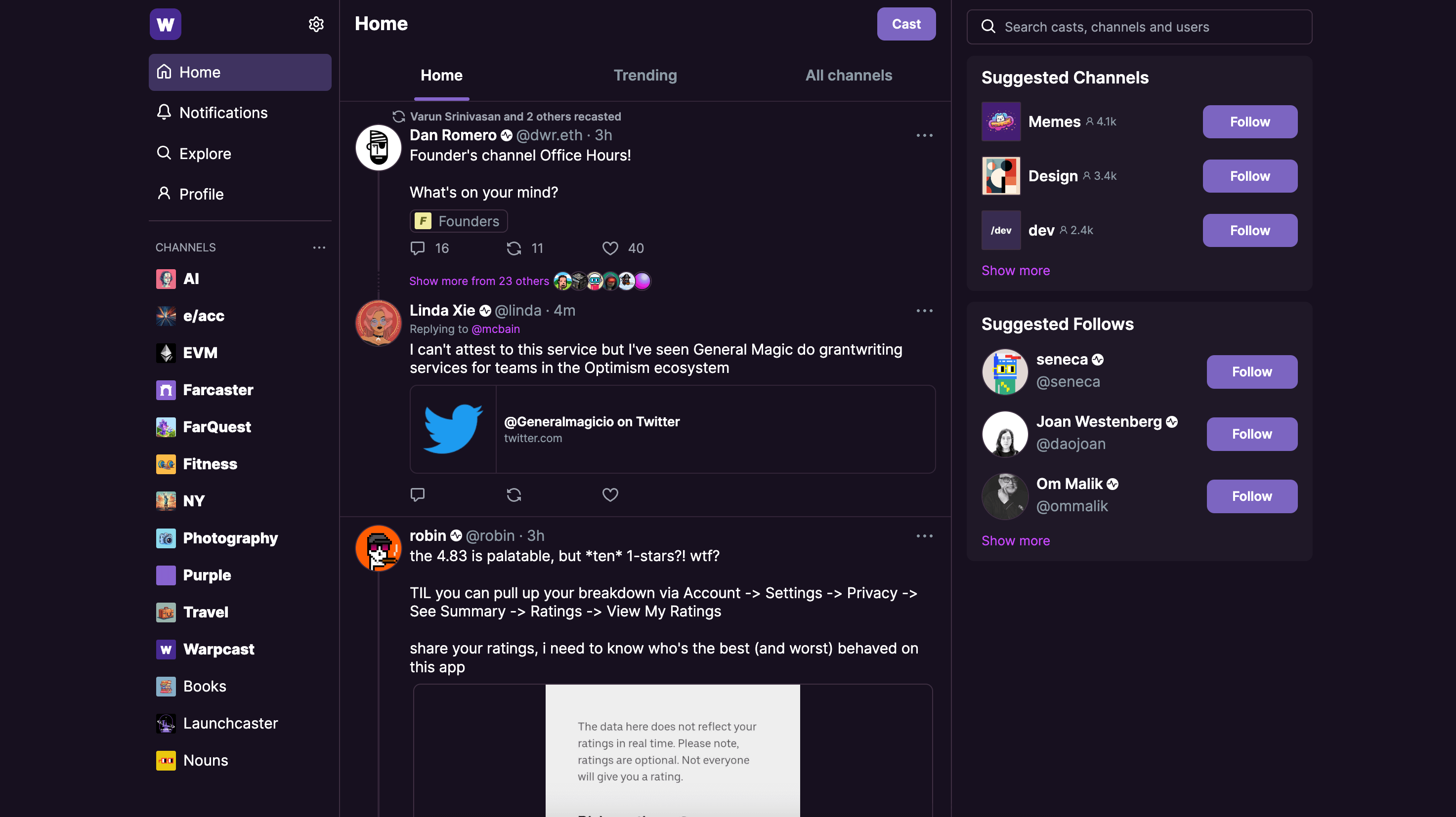
What is Farcaster? A Beginner’s Guide (2024)
Launched in 2021 by Merkle Manufactory, Farcaster quickly gained traction among crypto enthusiasts for its focus on privacy and interoperability. Unlike mainstream apps, it lets developers build custom experiences on top, fostering a vibrant ecosystem of tools and features.
The Ambitious $150M Funding Round
In May 2024, Farcaster hit a milestone by securing $150 million in Series A funding, led by top investors like Paradigm and a16z. This round valued the protocol at a whopping $1 billion, signaling strong belief in its potential to become the go-to decentralized social hub.
The cash was earmarked for scaling operations, expanding the user base, and enhancing infrastructure to handle more traffic without compromising decentralization. At the time, it seemed like Farcaster was poised for explosive growth, drawing comparisons to early successes in the crypto space.
Hurdles in Scaling the Network
Despite the influx of capital, 2025 brought tough realities. Farcaster struggled with user adoption beyond niche crypto circles, facing issues like high transaction fees on Ethereum and competition from other platforms. Financial performance dipped, with reports indicating that the scaling attempts didn’t yield the expected results, leading to operational strains.
Visualizing these challenges, illustrations of Web3 hurdles often depict tangled networks and barriers to entry, highlighting why mass adoption remains elusive.

🌐 Web3 Social Media and Content Creation: The Future of Online …
Factors like market volatility and regulatory uncertainties compounded the problems, making it hard to sustain momentum. Insiders noted that while the tech was solid, bridging the gap to mainstream users proved more complex than anticipated.
Neynar Steps In: The Acquisition Details
Enter Neynar, a Web3 infrastructure firm specializing in APIs and tools for decentralized apps. On January 21, 2026, they announced the acquisition of Farcaster from Merkle Manufactory for approximately $1 billion. This move includes taking over the protocol’s smart contracts, code, and the Warpcast app, positioning Neynar as the new steward.
Images from the announcement capture the excitement, showing logos and team transitions that symbolize this handover in the crypto world.
Neynar Takes Over Farcaster in Strategic Shift After $150M …
Neynar, which had already raised $14 million of its own, sees this as a chance to integrate Farcaster more deeply into broader Web3 ecosystems, potentially accelerating development with their expertise in scalable infrastructure.
What This Means for Everyday Users
For regular folks using Farcaster, the change could bring smoother experiences and new features. Neynar plans to maintain the decentralized ethos while addressing pain points like ease of use and cost. Users won’t lose their data—thanks to blockchain’s permanence—but might see improvements in app performance and integrations with other crypto tools.
This acquisition also underscores a trend: smaller, agile teams taking over ambitious projects to refine them for real-world viability.
Looking Ahead: The Future of Decentralized Social Media
With Neynar at the helm, Farcaster could evolve into a more robust platform, perhaps expanding to new blockchains or incorporating AI for better content discovery. Broader implications include renewed focus on sustainable growth in Web3, where hype meets harsh economics.
Envisioning this future, concepts of decentralized networks often feature interconnected worlds, promising a more equitable online space.

How Decentralized Social Media May Impact Marketers | Sprout Social
As the dust settles, this story reminds us that in tech, pivots like this can turn setbacks into stepping stones, keeping the dream of user-owned social media alive for everyone.