Imagine sending money across Europe in seconds with a digital euro that’s as stable as cash in your wallet—only to hit a brick wall because regulators say your coin isn’t “important” enough yet. That’s exactly what’s happening to euro-backed stablecoins right now. Even though these digital assets are fully legal under EU rules, a new proposal called the Market Integration Package (MIP) is blocking their real-world use in big financial deals. Circle, the company behind popular stablecoins like USDC and its euro version EURC, is speaking up loud and clear, urging fixes before the opportunity slips away.
What Exactly Is the EU’s Market Integration Package?
The Market Integration Package is the European Commission’s big plan to modernize how money moves in Europe. Think of it as an upgrade to the rules that govern stocks, bonds, and digital assets. It touches everything from distributed ledger technology (DLT, the tech behind blockchains) to how stablecoins can help settle trades faster and cheaper.
The goal? Create one smooth market across all 27 EU countries so businesses and investors don’t get slowed down by old paperwork and borders. Announced recently, the package aims to boost innovation while keeping things safe. But as with any major rule change, the fine print matters—and right now, that fine print is creating headaches for euro stablecoins.

The EU’s Market Integration Package: Digital Progress, but also Gaps Today, the European Commission came out with its long-awaited market integration package. The idea is to create a strong… | Dr. Matthias
Why Euro Stablecoins Are Stuck at “$0” in Real Use
Here’s the catch: Under the MIP, only “significant” electronic money tokens (EMTs)—a fancy name for euro stablecoins—can be used for settling securities trades. To qualify as “significant,” a coin needs a huge market cap that basically no euro version has reached yet.
Result? Even rock-solid options like Circle’s EURC are locked out. They’re fully backed by real euros, regulated under the earlier MiCA rules, and ready to go—but the new thresholds treat them like they’re worth zero when it comes to big institutional trades. It’s a classic chicken-and-egg situation: the coins can’t grow without being used, and they can’t be used without already being huge.
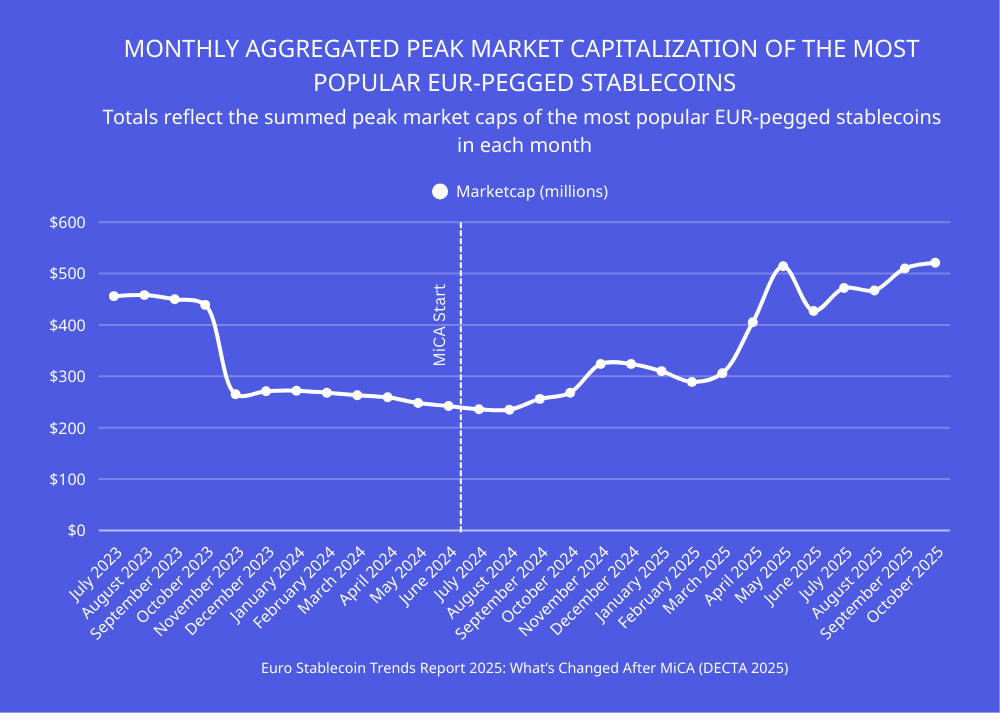
Euro Stablecoin Trends Report 2025
Circle’s EURC: Ready, Regulated, but Still on the Sidelines
Circle launched EURC as a MiCA-compliant euro stablecoin specifically for Europe. It’s designed to feel just like holding actual euros, with full reserves and transparency. Yet because no euro EMT meets the MIP’s strict size test, everyday investors and companies miss out on faster, cheaper ways to move money on-chain.

EURC | A Euro-Backed Stablecoin | Circle
Circle’s Smart Push for Reform: What They’re Asking For
Instead of staying quiet, Circle filed detailed feedback with the European Commission on March 20. They call the MIP a “meaningful step” forward but point out three big gaps that need fixing fast.
First, speed up DLT updates so blockchain can handle more assets right away. Second, lower or make flexible the “significant” thresholds so promising euro stablecoins like EURC aren’t shut out before they can grow. Third, open the door wider for stablecoins in settlement and even as collateral.
Circle argues this isn’t just good for them—it’s essential for Europe to stay competitive globally. Without these tweaks, the EU risks falling behind places where stablecoins are already powering real finance.

Circle Responds to the European Commission’s Proposed Market Integration Package | Circle
How This Affects You: Everyday Wins (and Risks) from Stablecoin Reform
For regular people and small businesses, smoother stablecoin rules could mean lightning-fast cross-border payments with almost no fees. Sending euros from Spain to Germany could happen in minutes instead of days, and companies could settle invoices on blockchain without waiting for banks.
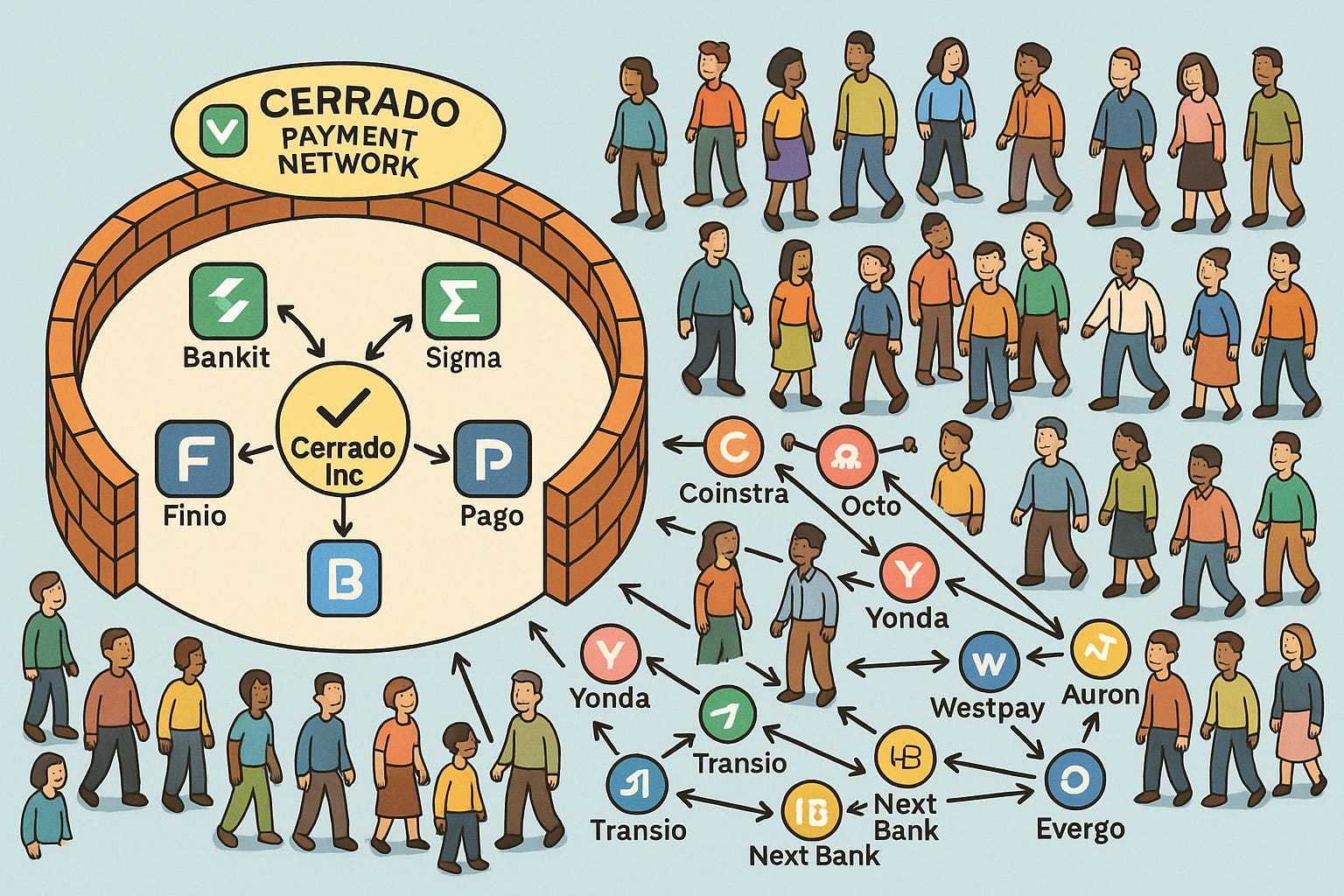
Open Loop Networks: How Stablecoin Payments Can Reach $190 Trillion Volume
On the flip side, if the MIP stays too strict, euro stablecoins might stay tiny while dollar ones like USDC dominate. That could limit Europe’s own digital finance growth and leave users with fewer local options. Experts watching the space say adaptive rules based on real market data—not fixed giant thresholds—would unlock the most innovation without extra risk.
The Road Ahead: Will Europe Listen and Unlock the Future?
The MIP is now heading into talks between the Commission, Parliament, and Council, with decisions possibly stretching into late 2026. Circle’s clear, constructive feedback has sparked real conversation—and it’s the kind of input that often shapes final laws.
If policymakers adopt even some of the suggested changes, euro stablecoins could finally break through that “$0” wall and help build a truly modern European capital market. For now, the message is simple: rules meant to protect can sometimes slow progress, but smart updates can make everyone a winner.
Whether you’re a crypto fan, a business owner, or just someone who hates slow bank transfers, this story matters. Stay tuned—Europe’s next move on stablecoins could reshape how money works for all of us.