
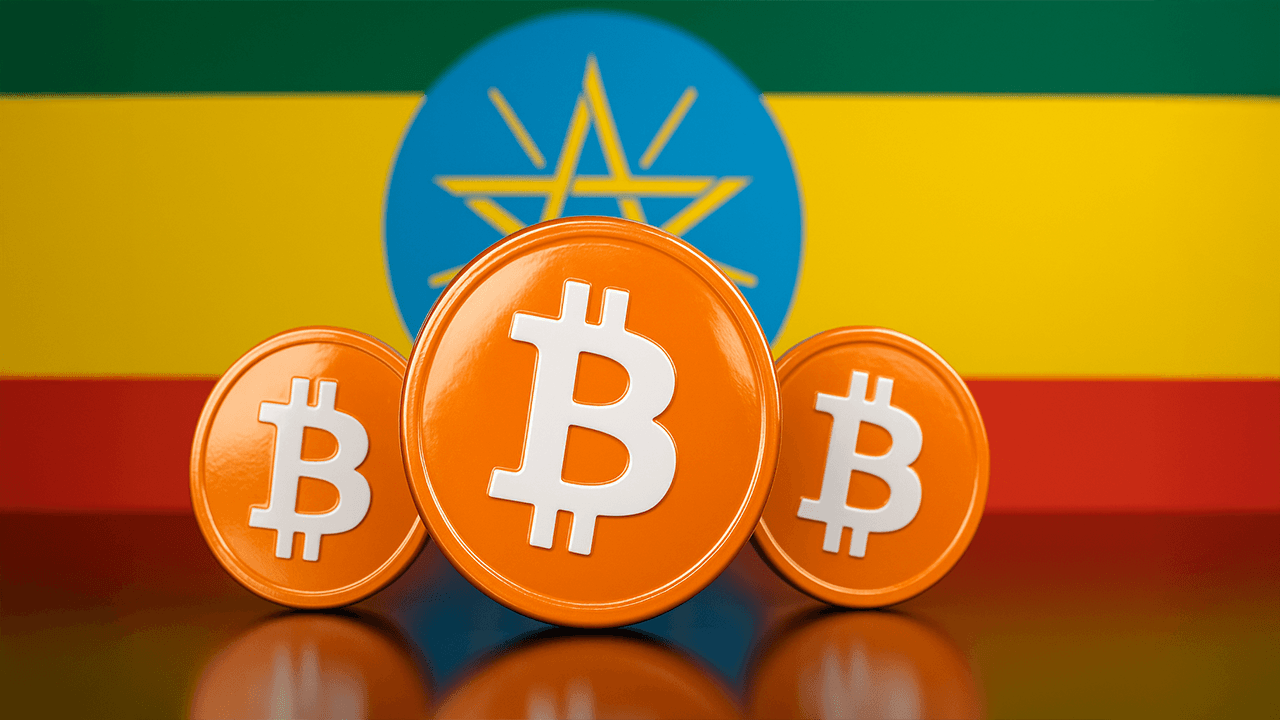
Imagine a river’s relentless flow being channeled not just to light up homes, but to unlock virtual treasures in the digital world. In Ethiopia, the mighty Blue Nile is fueling a bold experiment: state-backed Bitcoin mining that’s projected to rake in billions while tapping into the country’s vast energy reserves. This isn’t science fiction—it’s a real-world strategy blending ancient waterways with cutting-edge tech.
Harnessing the Nile’s Power for a Digital Revolution
Ethiopia’s adventure in Bitcoin mining starts with its crown jewel: the Grand Ethiopian Renaissance Dam (GERD), Africa’s largest hydropower project. Completed in recent years, this massive structure generates thousands of megawatts from the Blue Nile, providing cheap, renewable energy that’s perfect for energy-hungry operations like crypto mining.

Ethiopia wraps up construction of Africa’s largest hydro project …
With electricity costs as low as 3.2 cents per kilowatt-hour, the country has become a magnet for miners seeking affordable power.
This surplus energy—often more than what’s needed domestically—sits idle otherwise. By redirecting it to mining, Ethiopia is essentially turning water into wealth, monetizing resources that might go to waste. It’s like finding a way to bottle up rainfall and sell it as premium spring water.
What Exactly Is Bitcoin Mining, Anyway?
For those new to the concept, Bitcoin mining isn’t about pickaxes and hard hats—it’s a digital process where powerful computers solve complex puzzles to validate transactions on the Bitcoin network. In return, miners earn new Bitcoins. But it guzzles electricity, which is why Ethiopia’s abundant hydropower is a game-changer.
Think of it as a high-stakes math competition running 24/7, with computers as the contestants. The “prize” is cryptocurrency, and the “fuel” is cheap energy. Ethiopia’s setup allows for this on a grand scale, with operations consuming up to a third of the nation’s power output.
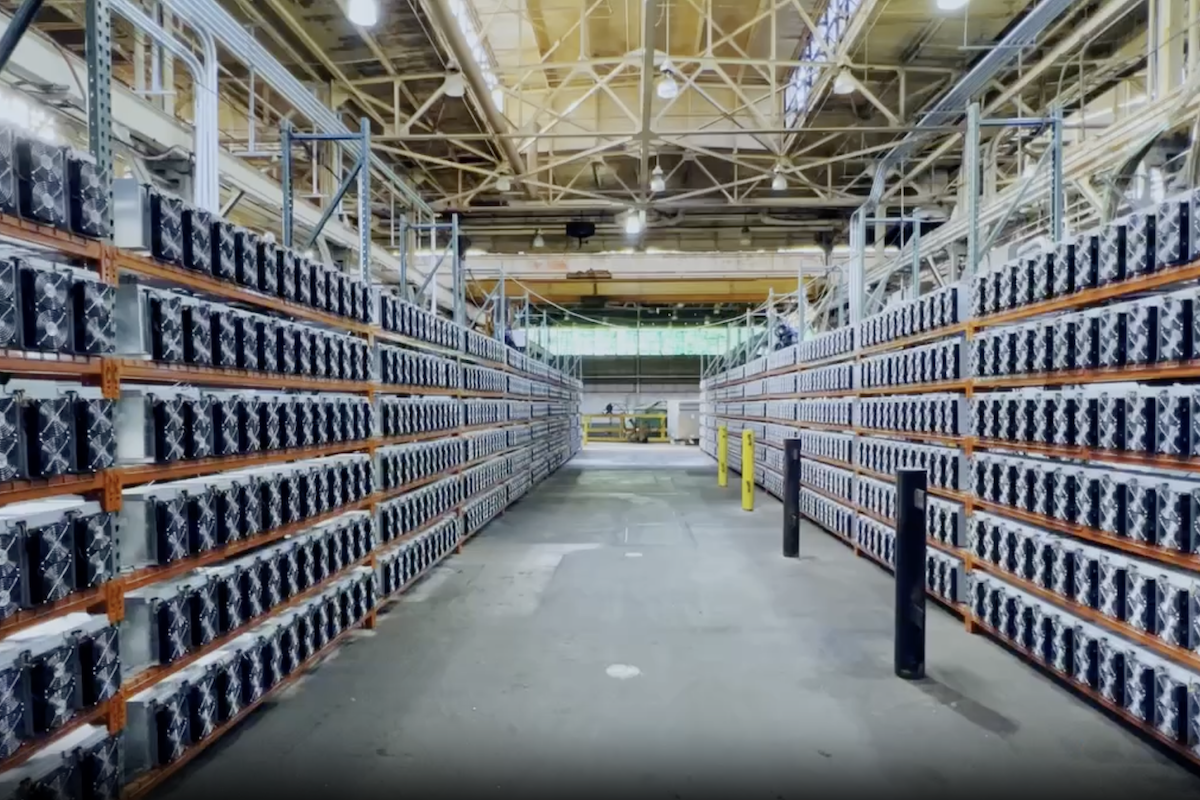
BIT Mining Acquires 51 MW Ethiopia Bitcoin Mine for $14 Million …
The Government’s Big Bet on Crypto
Ethiopia’s government isn’t sitting on the sidelines—it’s actively sponsoring this boom. In 2024, they inked a $250 million deal with Hong Kong-based West Data Group to build advanced data centers for mining and AI. Prime Minister Abiy Ahmed has championed the initiative, highlighting its potential to boost tech infrastructure and generate up to $500 million from a 1,000-megawatt operation.
Foreign firms, especially from China after their 2021 mining ban, have flocked in. Companies like BitFuFu and BIT Mining are setting up shop, drawn by the ideal climate and low costs. This state support has propelled Ethiopia to hold about 2.5% of the global Bitcoin hash rate, with projections to hit 7% soon.
Reaping the Rewards: Billions in Sight
The payoffs are already rolling in. Ethiopia’s state power company, Ethiopian Electric Power (EEP), reported $220 million in revenue from Bitcoin mining in just one year, with monthly figures hitting $25-28 million. Another report pegs first-half 2025 earnings at $200 million. This income now accounts for 18% of EEP’s total revenue, far outpacing electricity exports.
Half of these funds are funneled into new projects like the Koysha Hydropower Dam, creating a virtuous cycle of investment. For everyday Ethiopians, this could mean more jobs in tech and infrastructure, plus foreign currency inflows that strengthen the economy. It’s like planting a money tree watered by the Nile.
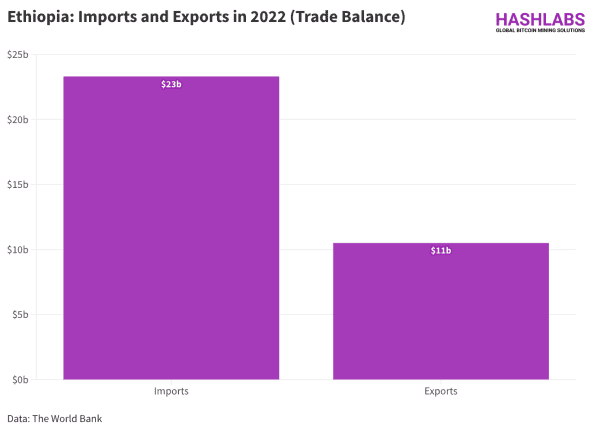
5 Ways Bitcoin Mining Benefits Ethiopia
Navigating the Bumps in the Road
Not everything is smooth sailing. While mining brings bucks, it also strains the grid. About 57 million Ethiopians—half the population—still lack reliable electricity, sparking debates on priorities. Environmental worries loom too: mining’s water use for cooling and e-waste from outdated hardware add to the concerns.
In response, Ethiopia paused new mining licenses in 2024 and plans a gradual phase-out to ease the burden. Balancing growth with access is key, ensuring the digital rush doesn’t leave rural folks in the dark.
A Glimpse into Ethiopia’s Crypto Future
As Ethiopia powers ahead, this model could inspire other African nations with untapped renewables. Experts see it as a way to fight poverty, potentially adding $2-4 billion to GDP through mining integration. Initiatives like Project Mano aim to use Bitcoin for broader economic uplift.
In the end, Ethiopia’s story shows how a developing nation can leapfrog into the future, using nature’s gifts to mine digital gold. It’s a reminder that innovation often flows from unexpected sources, much like the Nile itself.
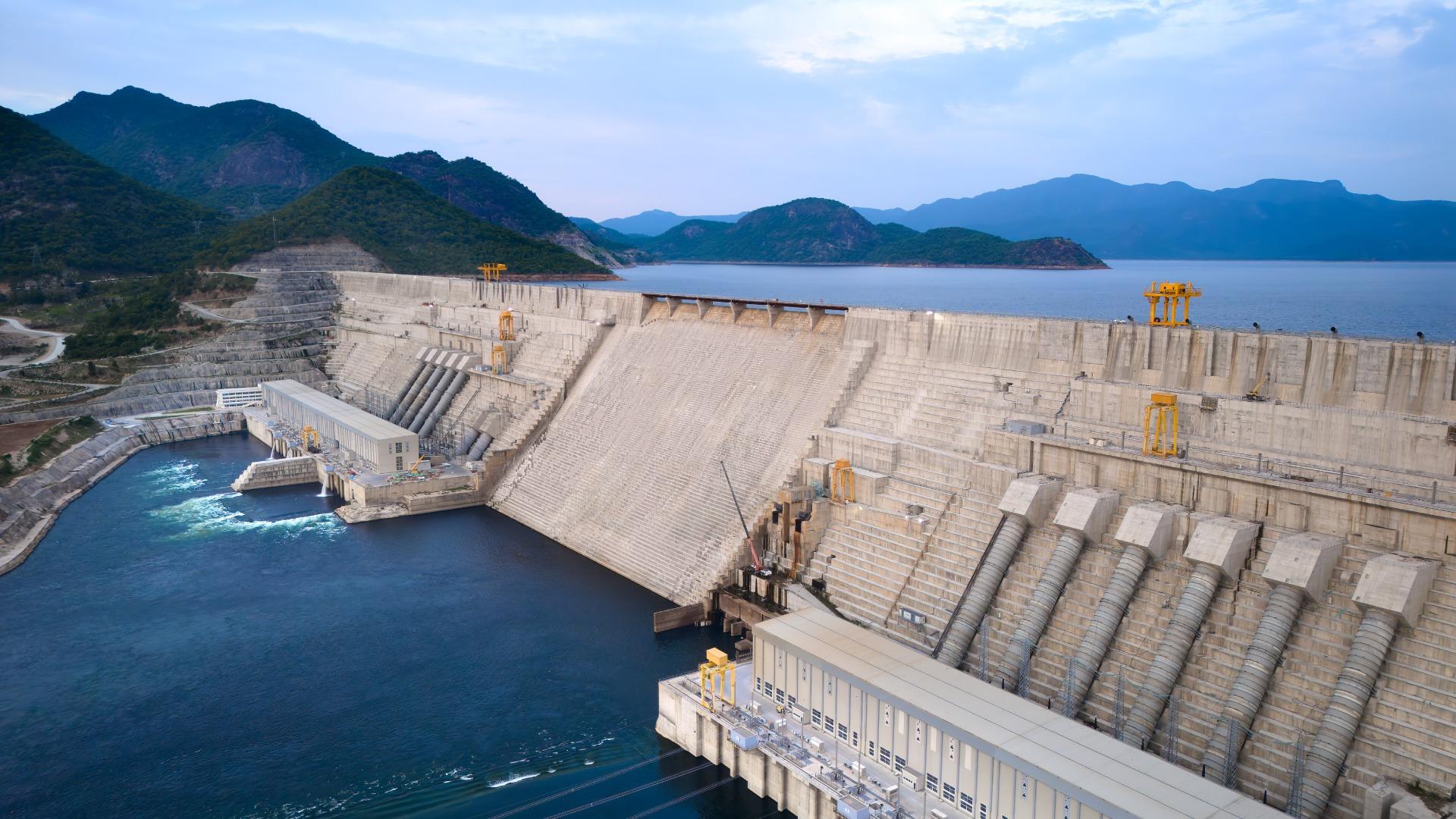
Grand Ethiopian Renaissance Dam Project (GERD) | Webuild Group


