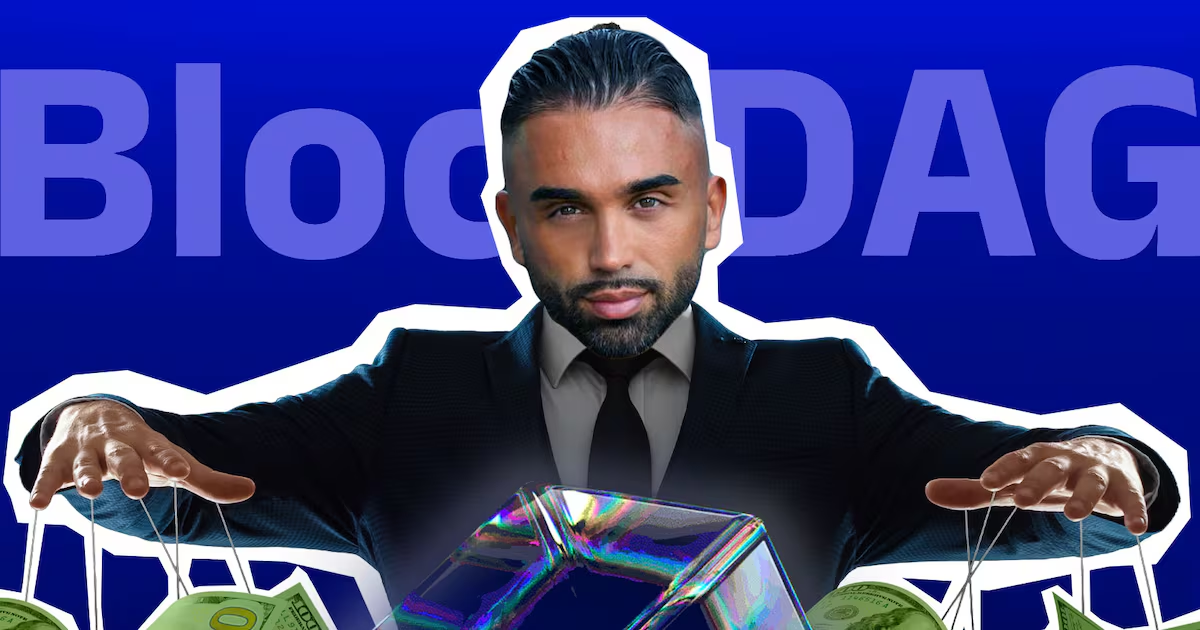
Picture this: You’re sending money across the globe in seconds, without the wait times or high fees that make today’s blockchain feel like dialing up the internet in the 90s. That’s the kind of shake-up Gurhan Kiziloz is pushing with BlockDAG, a project that’s quietly gearing up to give Ethereum a run for its money by blending speed, security, and ease of use.
Meet Gurhan Kiziloz: The Entrepreneur Behind the Vision
Gurhan Kiziloz isn’t your typical crypto founder—he’s a battle-tested business builder with a track record of turning bold ideas into billion-dollar realities. Starting from fintech ventures like Lanistar, which stirred up the industry with innovative payment solutions, Kiziloz has amassed a personal fortune estimated at over $1.2 billion through ventures in gaming and beyond. His no-nonsense approach? Spot a problem, fix it fast, and don’t apologize for shaking things up.
In the world of blockchain, Kiziloz saw the same old issues holding everyone back: slow transactions and compromises on security. That’s why he founded BlockDAG, drawing on his experience to create something that doesn’t just compete but evolves the game. As he put it in recent discussions, blockchain shouldn’t be about accepting limits—it’s about breaking them.

70 Setbacks to a $700 Million Net Worth- Gurhan Kiziloz, Lanistar …
What Makes BlockDAG Stand Out in the Blockchain Arena?
At its core, BlockDAG isn’t a traditional blockchain like Ethereum, which processes transactions in a straight line, one after another. Instead, it uses a Directed Acyclic Graph (DAG) structure—think of it as a web of connections allowing multiple transactions to happen at once, without bottlenecks. This means BlockDAG can handle up to 1,400 transactions per second, dwarfing Ethereum’s typical 15-30 TPS, all while keeping things secure through Proof-of-Work.
But here’s the smart part: BlockDAG plays nice with Ethereum’s tools. Developers can move their apps over without starting from scratch, thanks to full Ethereum Virtual Machine (EVM) compatibility. It’s like upgrading your old car engine without buying a whole new vehicle. Research from blockchain analytics firms highlights how such hybrid approaches can boost network efficiency by addressing the “trilemma” of speed, security, and decentralization that has plagued projects like Ethereum.

Blockchain Vs. BlockDAG: A COMPARATIVE ANALYSIS
Gurhan’s Bold Moves: Resetting Leadership for Real Progress
Kiziloz didn’t just dream up BlockDAG—he rolled up his sleeves to make it happen. In early 2026, he made headlines by overhauling the leadership team, including removing the CEO, to refocus on delivery over hype. This “brutal reset,” as some called it, wasn’t about drama; it was about ensuring the project stayed on track to solve real-world problems, like making blockchain accessible for everyday users and businesses.
Under his guidance, BlockDAG has raised over $400 million in presales, attracted millions of miners via a user-friendly app, and built a community of over 300,000 holders. Kiziloz views Ethereum not as an enemy but as a benchmark to surpass, emphasizing that true innovation comes from refusing trade-offs. As industry reports note, leaders like him are shifting crypto from speculative bets to solid infrastructure. His playbook? Build fast, iterate ruthlessly, and prioritize performance—lessons drawn from his past successes in high-stakes industries.
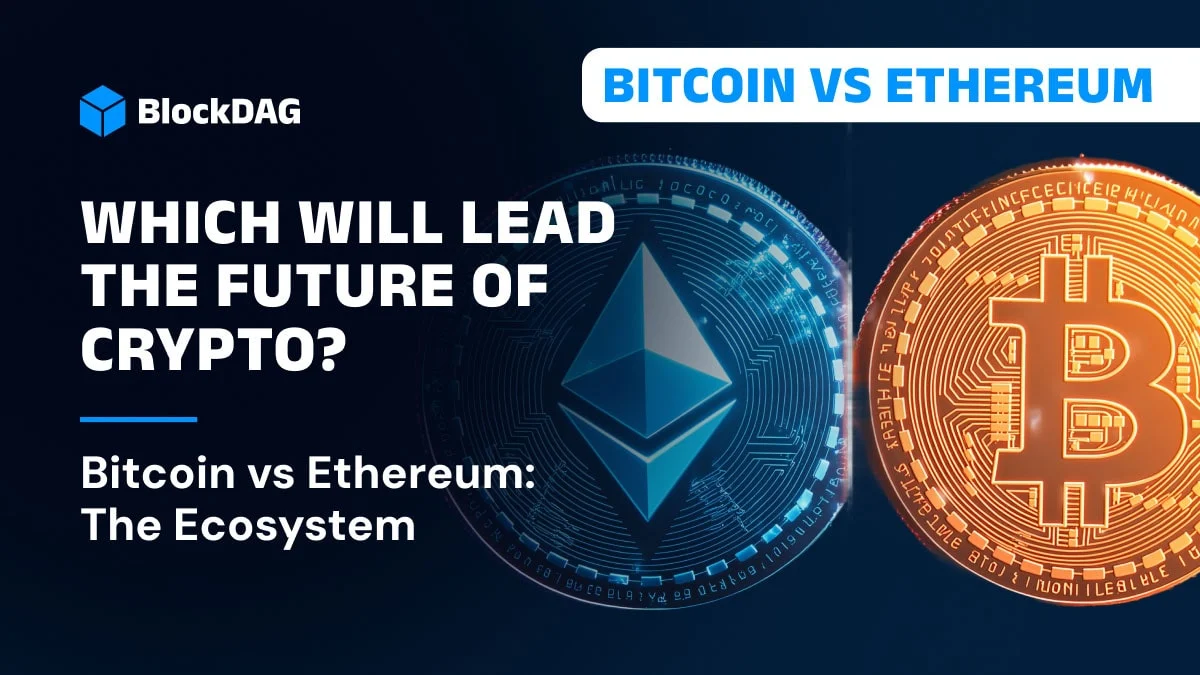
Bitcoin vs Ethereum – Which Will Lead the Future of Crypto?
Tackling Ethereum’s Challenges Head-On
Ethereum has revolutionized the world with smart contracts and decentralized apps, powering everything from NFTs to finance tools. But as it grows, so do its pains: Congested networks during peak times lead to sky-high fees and delays. BlockDAG steps in here, offering a scalable alternative that maintains decentralization without sacrificing speed.
For the average person, this means cheaper, quicker transactions—whether you’re trading tokens or building a simple app. Kiziloz positions BlockDAG as the next evolution, where users don’t have to choose between reliability and innovation. According to blockchain studies, networks like this could capture a larger share of the market by enabling mass adoption, something Ethereum’s upgrades are still working toward.
The Future: BlockDAG’s Path to Widespread Adoption
Looking ahead, Kiziloz is steering BlockDAG toward a mainnet launch that promises to integrate seamlessly into the crypto ecosystem. With plans for expanded developer tools and partnerships, the project aims to attract builders tired of Ethereum’s constraints. Imagine a world where blockchain powers everyday tech, from mobile payments to secure voting systems, without the lag.
While challenges like regulatory hurdles remain, Kiziloz’s track record suggests he’s in it for the long haul. For curious newcomers, BlockDAG represents an exciting entry point into crypto’s next wave—faster, fairer, and more inclusive. As the space evolves, keep an eye on how this underdog, shaped by one determined founder, might just redefine the rules.