Vietnam is stepping into the spotlight of the global cryptocurrency scene with Resolution 05/2025, a bold move to regulate its booming digital asset market. If you’re one of the millions of Vietnamese crypto enthusiasts or an investor eyeing opportunities, this new regulation could change the game. But it’s not without its challenges. Let’s dive into what Resolution 05/2025 is, why it matters, and the concerns it’s sparking among everyday investors—all in plain language.
Why Vietnam’s Crypto Market Is a Big Deal
Vietnam has quietly become a crypto powerhouse. With around 17 million people owning digital assets, the country ranks seventh globally in crypto adoption, boasting a market worth over $100 billion. From Bitcoin to altcoins, Vietnamese investors are all in, driven by the promise of high returns and a tech-savvy population. But until now, the crypto market has been a bit like the Wild West—exciting but risky, with little oversight.
Resolution 05/2025, passed on September 9, 2025, aims to bring order to this chaos. It’s part of Vietnam’s broader push to embrace digital innovation while protecting investors and the economy. Think of it as the government laying down rules for a game that’s been played without a referee for years.
What Is Resolution 05/2025?
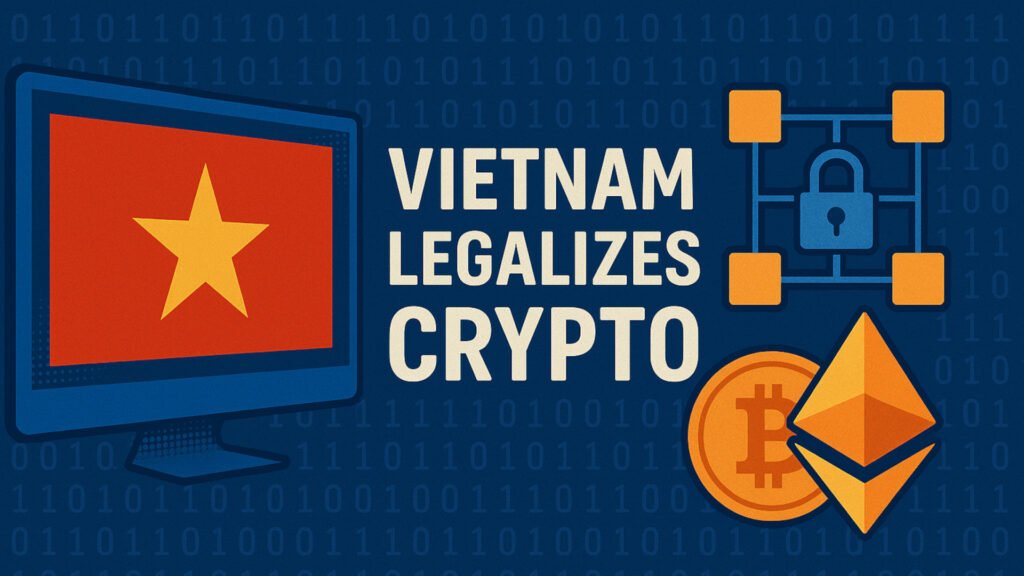
Resolution 05/2025/NQ-CP kicks off a five-year pilot program to regulate Vietnam’s crypto market, starting September 9, 2025. Here’s what it covers in simple terms:
- Licensed Platforms Only: All crypto trading must happen through exchanges licensed by the Ministry of Finance. This means platforms like Binance or decentralized exchanges (DEXs) like Uniswap could face restrictions unless they comply with Vietnam’s rules.
- Strict Standards: Companies running these exchanges need robust IT systems meeting level 4 security standards and significant financial backing (think billions of Vietnamese Dong in capital).
- Taxation Clarity: Crypto transactions will be taxed like securities for now, with capital gains at 20%, mining/staking income at 5-35%, and VAT on services at 10%.
- Investor Protections: The resolution emphasizes transparency, fraud prevention, and dispute resolution through negotiation, mediation, or courts.
This pilot program is a test run to see how a regulated crypto market works in Vietnam. The government wants to attract foreign investment while ensuring the market doesn’t become a breeding ground for scams or illegal activities.
Why This Matters for Everyday Investors
For the average person dabbling in crypto, Resolution 05/2025 is a double-edged sword. On one hand, it promises a safer market. With 17 million Vietnamese holding digital assets, scams have been a big problem—$756 million was lost to fraud in 2024 alone. The new rules aim to crack down on fake tokens and shady platforms, giving you more confidence when trading.
On the other hand, the transition could be bumpy. Here’s why investors are worried:
1. Limited Access to Global Platforms
If you’re used to trading on international platforms like Binance or decentralized protocols like PancakeSwap, you might hit roadblocks. The resolution requires all trades to go through licensed Vietnamese exchanges within six months of the first license being issued (expected in early 2026). Using a VPN to access unlicensed platforms could even lead to penalties. This has some investors wondering: Will I lose access to my favorite exchanges?

2. Confusion Over “Transactions in Vietnam”
The resolution uses vague terms like “transactions in Vietnam,” leaving investors scratching their heads. Does swapping tokens on a DEX count as a domestic transaction? What if you’re using a Vietnamese IP address? Legal experts, like Dao Tien Phong from the Vietnam Blockchain Association, say these details are still unclear, and guidance from the Ministry of Finance is pending. This uncertainty could make it hard for small-scale investors to stay compliant.
3. Higher Costs and Taxes
Taxes are coming, and they might take a bite out of your profits. The 20% capital gains tax and other fees could make crypto trading less lucrative for casual investors. Plus, licensed exchanges might charge higher fees to cover their compliance costs. If you’re a small investor, these extra costs could add up quickly.
The Bigger Picture: Vietnam’s Crypto Ambitions
Vietnam isn’t just regulating crypto for the sake of it. The government sees digital assets as a way to boost economic growth, targeting an 8% GDP increase in 2025. By creating a legal framework, Vietnam hopes to:
- Attract Foreign Investment: Clear rules could bring in global players, like Bybit, which is already collaborating with the Ministry of Finance to share expertise on compliance and anti-money laundering (AML) standards.
- Boost Tax Revenue: Experts estimate a modest 0.1% tax on crypto transactions could generate $800 million annually. That’s money Vietnam can use for infrastructure and digital innovation.
- Position Vietnam as a Blockchain Hub: With a regulatory sandbox planned for fintech and crypto by July 2026, Vietnam wants to rival places like Singapore and Hong Kong.
What Should Investors Do?
If you’re a crypto investor in Vietnam, here are some practical steps to navigate this new landscape:
- Stay Informed: Keep an eye on updates from the Ministry of Finance and the Vietnam Blockchain Association. They’ll clarify how the rules apply to platforms and transactions.
- Choose Licensed Platforms: Once licensed exchanges are announced, consider moving your assets to comply with the new rules. This could protect you from penalties.
- Understand Taxes: Talk to a tax professional to figure out how the new tax rules affect your crypto holdings. Proper reporting will save you headaches later.
- Be Cautious: Scams are still a risk during this transition. Stick to reputable platforms and avoid “too good to be true” opportunities.
Looking Ahead: A Brighter, Safer Crypto Future?
Resolution 05/2025 is a game-changer for Vietnam’s crypto market. It’s a step toward making digital assets a legitimate part of the economy, but it comes with growing pains. For everyday investors, the promise of a safer, more transparent market is exciting, but the restrictions and uncertainties raise valid concerns. By learning from global leaders like Singapore and Hong Kong, Vietnam has a chance to build a crypto ecosystem that balances innovation with protection.
As the pilot program rolls out over the next five years, one thing is clear: Vietnam’s crypto journey is just beginning. Whether you’re a seasoned trader or a curious newbie, staying informed and adaptable will be key to thriving in this new era.

Note: This article is for informational purposes only and not financial advice. Always do your own research before investing.