Imagine waking up one morning and discovering that your morning coffee payment zipped across the globe in under a minute — no bank delays, no high fees, and no waiting for business hours. That future isn’t science fiction. It’s already unfolding, and Ripple’s CEO Brad Garlinghouse says stablecoins are the spark that’s rewriting the rules of money itself in 2026.
In a recent interview, Garlinghouse didn’t mince words: boards of directors at Fortune 500 companies are no longer asking if they should use crypto — they’re asking their CFOs exactly how to get started with stablecoins. He calls this shift crypto’s “ChatGPT moment” — the instant when a once-niche technology becomes the obvious, everyday tool for real business.
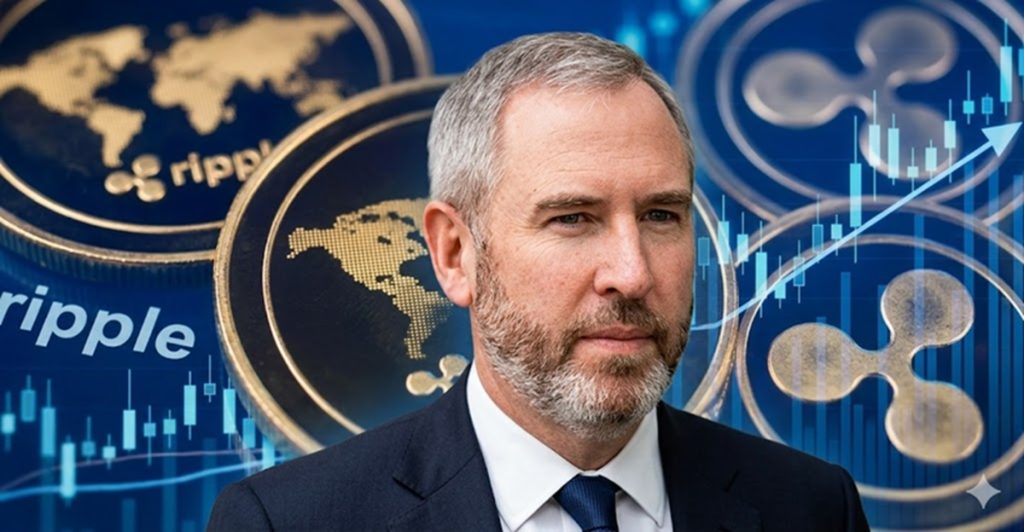
Ripple (XRP) CEO Brad Garlinghouse: “2026 Will Be a Record-Breaking Year” – Bitcoin Sistemi
Who Is Brad Garlinghouse and Why Should You Care?
Brad Garlinghouse has led Ripple for years, steering the company through regulatory storms and into the heart of global payments. In early 2026, he’s sounding more confident than ever. He predicts 2026 will be a record-breaking year for Ripple, driven by explosive interest in stablecoins and clearer U.S. rules on the horizon.
Garlinghouse isn’t some crypto hype man shouting from the sidelines. He’s talking directly to traditional finance leaders who once dismissed Bitcoin as “rat poison.” Now those same leaders want stablecoins on their balance sheets — and fast.
The Stablecoin Surge: From Niche to Trillion-Dollar Reality
Stablecoins are simply digital versions of the U.S. dollar (or other currencies) that hold their value steady. Think of them as cash you can send instantly over the internet, 24/7, without the usual banking friction.
Last year alone, stablecoin trading volume hit a staggering $33 trillion — more than many traditional payment networks combined. Bloomberg Intelligence forecasts this could climb toward $56.6 trillion by 2030.
Ripple’s own RLUSD stablecoin has exploded, surging over 1,278% year-to-date and crossing $1.56 billion in market cap. It’s now among the top 10 stablecoins, with partnerships rolling out in Singapore, Japan, and beyond.
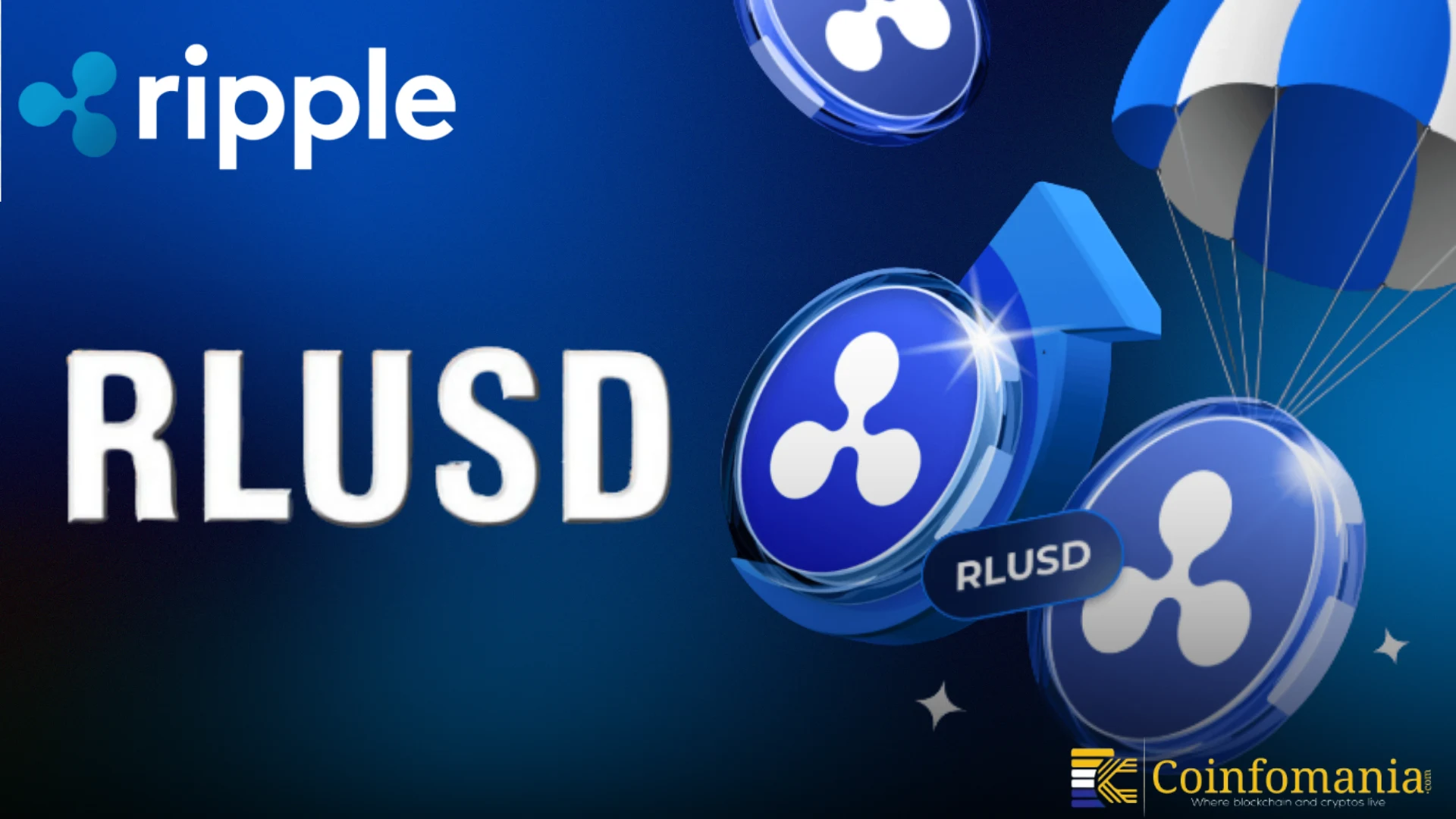
Ripple’s RLUSD Smashes $1 Billion Mark – Fastest Growing Stablecoin
Why the rush? Traditional cross-border payments can take 3–5 days and cost a fortune in fees. Stablecoins settle in seconds, any time of day. Corporate treasurers love that kind of speed and savings.
How Stablecoins Are Rewiring Traditional Finance
Picture banks, payment giants, and even governments treating stablecoins as core infrastructure instead of risky experiments. That’s exactly what’s happening.
- Faster global payments: Money moves at internet speed, not bank speed.
- Lower costs: Businesses save billions on fees and middlemen.
- New opportunities: Companies can hold stablecoins as treasury reserves, earn yield, or use them for instant settlements.
Garlinghouse notes that the world’s biggest companies are actively exploring stablecoin strategies right now. This isn’t hype — it’s boards and CFOs demanding answers.

Unstoppable Crypto: How the Financial System Will Transform by 2026, According to Coinbase
Blockchain technology powers it all, creating transparent, tamper-proof records that traditional systems can’t match. The result? Finance is becoming more inclusive, efficient, and always-on.
Ripple’s Play: RLUSD and the Bigger Picture
Ripple isn’t just watching the stablecoin boom — it’s helping lead it. RLUSD, fully backed by U.S. dollars and other safe assets, is designed for institutional trust. It’s live on the XRP Ledger and Ethereum, with major banks like BNY Mellon acting as custodians.
The company has also made smart acquisitions to build out payments infrastructure, positioning itself as the bridge between old-school finance and the new digital world. Garlinghouse believes upcoming U.S. legislation like the CLARITY Act will supercharge this adoption even further.
What This Means for Everyday People Like You
You don’t need to be a Wall Street executive to feel the impact.
- Remittances: Families overseas can receive money faster and cheaper.
- Everyday spending: Apps could let you pay friends or merchants globally with a tap.
- Savings and access: More people gain tools once reserved for big institutions.
In short, crypto isn’t replacing your bank account — it’s making money work better for everyone. Lower fees mean more money stays in your pocket. Instant transfers mean less stress when bills are due.
Challenges on the Horizon
Of course, not everything is smooth sailing. Regulation still needs to catch up fully, and trust remains key — which is why compliant stablecoins like RLUSD are gaining ground. Security, education, and avoiding scams will matter more than ever as adoption grows.
Garlinghouse is optimistic but realistic: the “sea change” is real, yet it requires smart policy and responsible innovation to stick.
The 2026 Outlook: A Finance Revolution in Motion
As we move through 2026, one thing is clear: stablecoins aren’t a fad. They’re becoming the new rails for money movement worldwide. Ripple’s CEO sees crypto evolving from speculative asset to everyday financial infrastructure — and the numbers back him up.
Whether you’re a small business owner tired of slow payments or just someone curious about the future of your money, this shift is worth watching. The technology is here. The momentum is building. And the change? It’s already underway.
What do you think — ready to embrace the stablecoin era, or waiting for more proof? Drop your thoughts in the comments below. The finance revolution is happening now, and it’s powered by the very tools making headlines today.