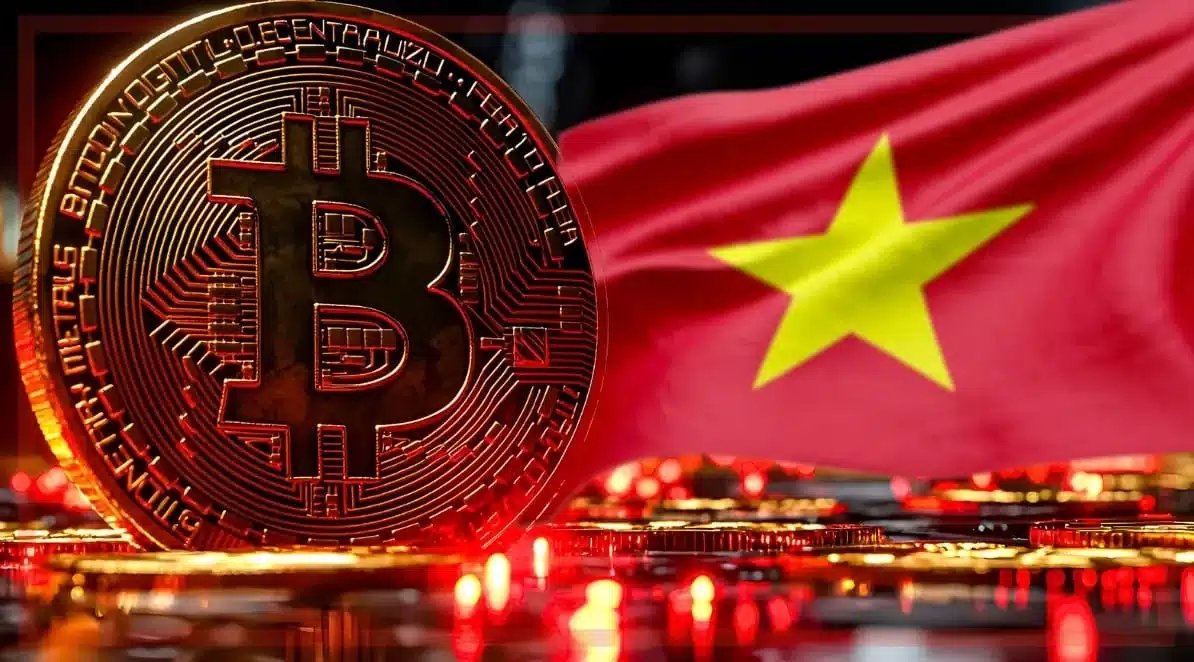
Imagine logging into your favorite crypto app from a bustling café in Hanoi, only to see a message pop up: “This platform is no longer available in Vietnam.” For thousands of everyday traders here, that scenario is about to become real. The government is rolling out fresh rules that block access to foreign crypto sites while fast-tracking homegrown alternatives. It’s not a full crackdown on crypto itself—just a big push to keep the action (and the money) inside the country.
Vietnam has quietly become one of the world’s hottest crypto spots. Locals trade billions in digital coins every year, often through big international names like Binance or OKX. But starting soon, those doors may slam shut for Vietnamese users.
Vietnam’s Crypto Boom: Why It Matters to Ordinary People
Crypto isn’t just for tech experts in Vietnam—it’s everywhere. Young professionals, small business owners, and even families treat Bitcoin and other coins like a side savings plan or quick investment. The country ranks fourth globally in crypto adoption, with over $200 billion in trading volume in the past year alone.
That huge number comes from regular folks using apps on their phones during commutes or coffee breaks. But most of that money flows straight out to foreign platforms, leaving Vietnam with little control or tax revenue.
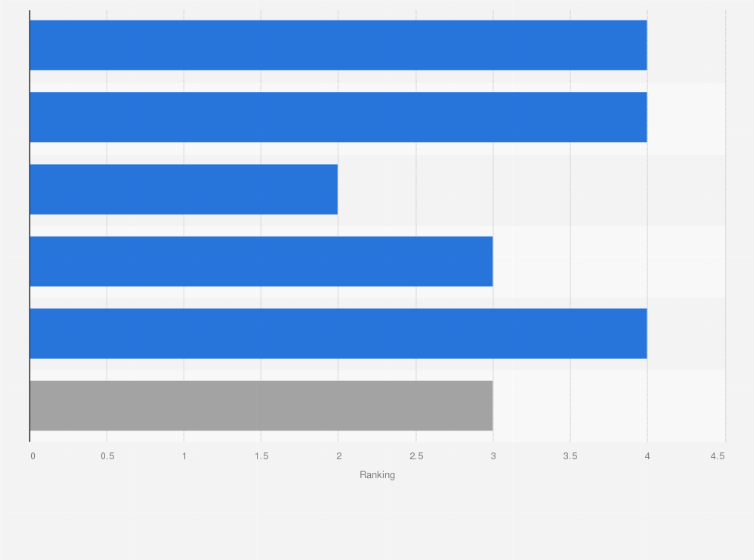
Vietnam: Crypto Adoption Index by metric 2023| Statista
What the New Ban Actually Means
The Finance Ministry is drafting rules that will ban Vietnamese citizens from trading on overseas crypto platforms. Popular apps like Binance, OKX, and Bybit could soon be off-limits.
Instead, all trading must move to new locally licensed exchanges under a five-year pilot program launching as early as this month (March 2026). The government wants transaction fees and capital to stay inside Vietnam, making it easier to watch, tax, and protect users.
Think of it like switching from shopping on foreign websites to buying only from local stores—same products, but under Vietnamese rules.
Why Is the Government Doing This Now?
Vietnam already limits how much money can leave the country. With crypto so popular, officials worry about uncontrolled outflows, money laundering risks, and missing out on taxes. Households here often invest in gold or property because stock options are limited. Crypto filled that gap—but now authorities want to bring it under local oversight.
A leader from the Vietnam Blockchain and Digital Assets Association put it simply: moving trading onshore will boost state revenue and grow the domestic digital economy.
The changes build on a new law that recognizes crypto as property (but not as official money) and a pilot that caps licenses at just five exchanges.
Who’s Lining Up to Run These New Local Exchanges?
Five big players have already cleared the first round of screening:
- Affiliates of major banks: Techcombank, VPBank, and LPBank
- Stockbroker VIX Securities
- Conglomerate Sun Group
These companies bring serious money and local know-how. Rules require huge startup capital and limit foreign ownership to 49%, so expect solid, Vietnamese-led platforms with easy VND deposits and withdrawals.
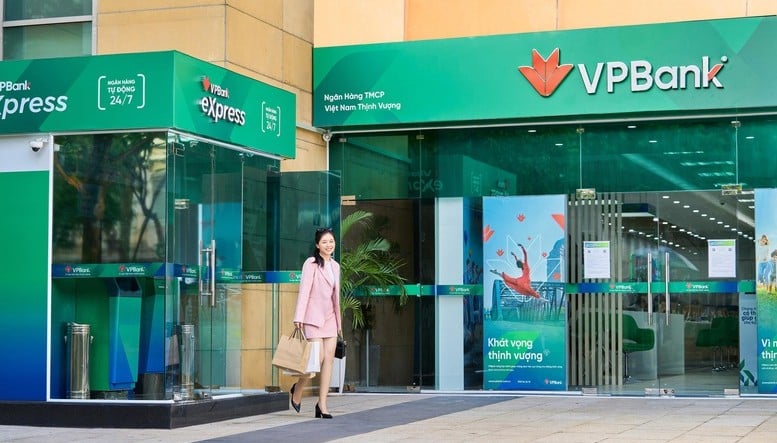
IPO information drives 2 Vietnamese bank stocks to new peaks
How This Affects Everyday Traders Like You
Good news first: Local exchanges should feel safer and faster for Vietnamese users. Deposits in dong, customer support in your language, and possibly lower hidden fees once the system matures.
But there will be growing pains. You might lose access to some exotic coins or advanced tools available abroad. Plus, a proposed 0.1% tax on every transfer could add small costs on big trades.
Many traders are already asking: Will prices be the same? Can I still use decentralized apps? The answer for now—stick to the new licensed sites to stay legal.
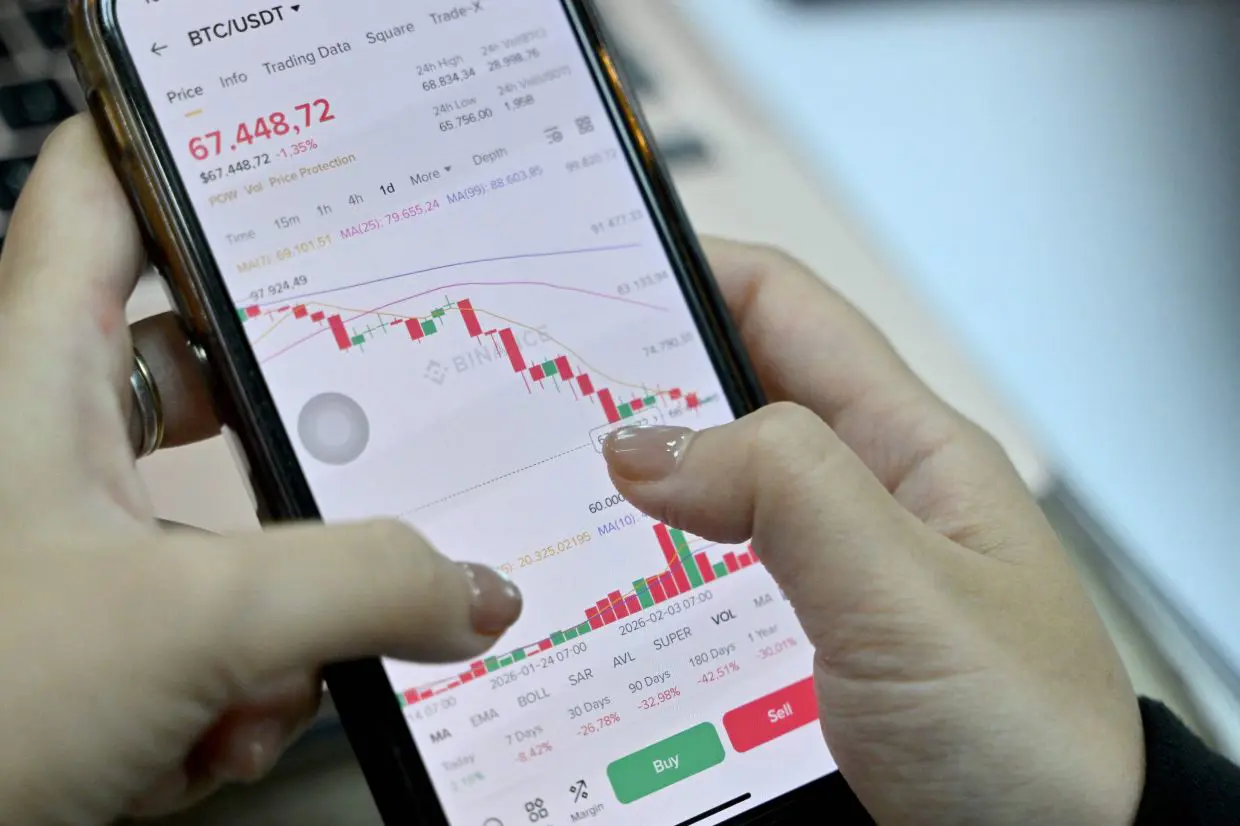
Crash course: Vietnam’s crypto boom goes bust | The Star
Smart Steps to Take Right Now
- Check your current apps — Start moving assets to a personal wallet if you use foreign platforms.
- Watch for local launch announcements — The first licensed exchanges could go live very soon.
- Learn basic security — Use two-factor authentication and never share seed phrases.
- Keep records — Taxes are coming, so track your buys and sells.
The shift won’t happen overnight, but six months after the first licenses are granted, the offshore ban kicks in fully.
A New Chapter for Crypto in Vietnam
This isn’t the end of crypto excitement here—it’s a rewrite of the rules to make it more Vietnamese. By forcing trading onshore, the government aims to protect users, collect fair taxes, and build a stronger digital finance sector that benefits everyone from students saving their first Bitcoin to businesses exploring blockchain.
Whether you’re a casual trader or just curious, keep an eye on those new local platforms. The crypto story in Vietnam is far from over; it’s just getting a local address. Stay informed, trade smart, and who knows—your next big gain might come from a homegrown exchange right in your neighborhood.