Imagine dipping your toes into the world of cryptocurrency without the constant worry of regulatory pitfalls—where buying Bitcoin feels as straightforward as picking up shares in your favorite company. That’s the vision driving the latest efforts in U.S. crypto regulation, as agencies like the SEC and CFTC team up to create clearer rules for digital assets. This isn’t just bureaucratic shuffling; it’s a potential game-changer for everyday investors navigating the exciting yet confusing crypto space.
Understanding the Crypto Regulatory Maze
For years, the U.S. has lagged behind in providing straightforward guidelines for cryptocurrencies, leaving investors, startups, and even big banks in a fog of uncertainty. Digital assets like Bitcoin and Ethereum straddle the line between commodities and securities, leading to overlapping oversight from multiple agencies. This confusion has sparked lawsuits, halted innovations, and pushed some businesses overseas.
The Securities and Exchange Commission (SEC) typically handles securities—think stocks and bonds—while the Commodity Futures Trading Commission (CFTC) oversees commodities like gold or oil. But when it comes to crypto, the lines blur. For instance, is a token a security if it’s tied to a company’s profits, or a commodity if it’s just a digital store of value? This ambiguity has fueled what many call “regulation by enforcement,” where rules are clarified only through court battles rather than proactive policies.
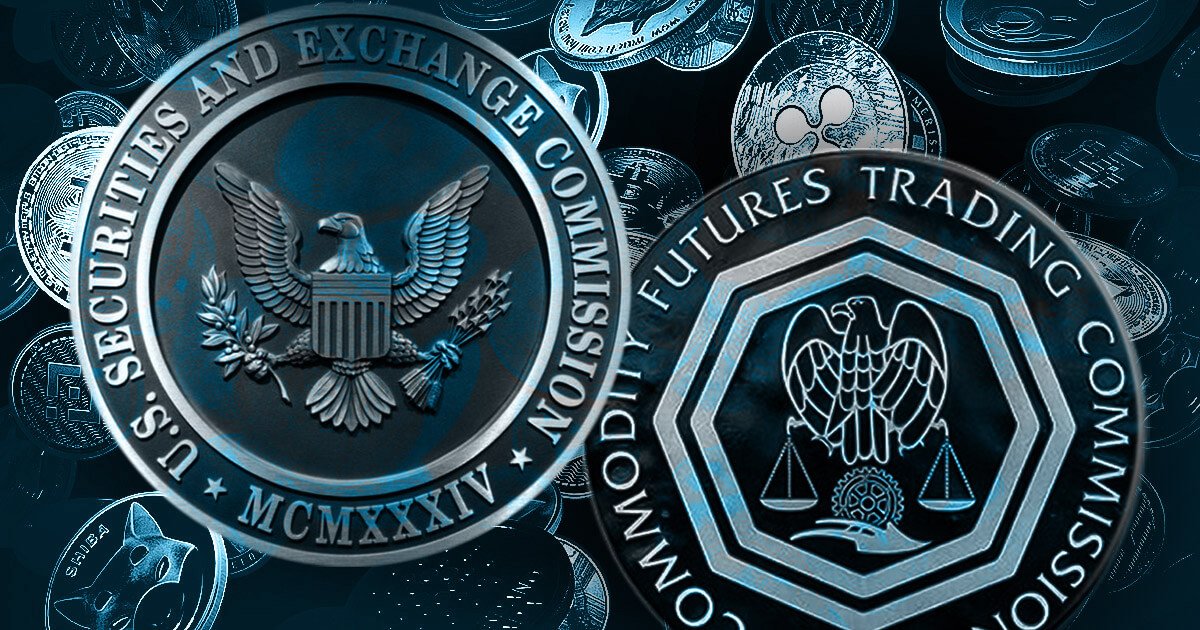
To visualize this complex interplay, here’s an illustration of how the SEC and CFTC are working together on crypto oversight:

Crypto Regulation Dream Team: How SEC-CFTC Collaboration Could …
The Fresh Momentum Toward Harmonization
Enter 2026, a year buzzing with renewed energy for crypto clarity under the new administration. President Trump’s push to make the U.S. the “crypto capital of the world” has lit a fire under regulators. A key milestone is the upcoming joint event on January 27 between the SEC and CFTC, where leaders will discuss aligning their approaches to digital assets. This isn’t mere talk; it’s about forging a unified path that avoids jurisdictional turf wars.
At the heart of this drive is the CLARITY Act, recently highlighted by Senate Republicans. This legislation proposes a “two-lane highway” for regulation: the SEC would handle “digital securities” (assets resembling investments in companies), while the CFTC takes charge of “digital commodities” (like straightforward cryptocurrencies used for trading). This split aims to eliminate guesswork, allowing innovators to build without fear of sudden crackdowns.
Complementing this is the GENIUS Act, set to roll out rules for stablecoins—those steady-value cryptos pegged to the dollar—which could let traditional banks jump into the game safely. These initiatives signal a shift from reactive enforcement to supportive frameworks, potentially unlocking billions in investments.
Picture digital assets thriving on a well-marked road, free from regulatory roadblocks:

Our Crypto Talk | The U.S. Crypto Market Structure Bill
How This Affects Everyday Investors
For the average person eyeing crypto as part of their portfolio, these changes could mean safer waters. Clear rules might reduce scams and volatility by ensuring exchanges and tokens meet basic standards. Imagine logging into your trading app knowing exactly what’s regulated and how— no more wondering if your favorite altcoin is about to get slapped with a lawsuit.
On the flip side, businesses could innovate faster, leading to user-friendly tools like easier crypto payments or decentralized finance apps. Experts predict this harmonization could boost U.S. leadership in global finance, attracting talent and capital back home. However, challenges remain: balancing innovation with consumer protection, and ensuring smaller players aren’t squeezed out by big institutions.
Challenges and Broader Implications
While the push is promising, it’s not without hurdles. Critics worry that rushed regulations might overlook risks like market manipulation or environmental impacts from crypto mining. Plus, harmonizing two agencies with different mandates requires careful negotiation to avoid loopholes.
Broader implications extend to global markets. If the U.S. nails this, it could set a standard for other countries, fostering international trade in digital assets. For investors, this means more opportunities, but also the need to stay informed as rules evolve.
What the Future Holds for U.S. Crypto
Looking ahead, 2026 could mark the dawn of a mature crypto ecosystem in America. With supportive policies in place, we might see widespread adoption—from retirement funds including crypto to everyday transactions via stablecoins. The joint SEC-CFTC efforts, backed by new laws, aim to turn uncertainty into opportunity, positioning the U.S. as a hub for digital innovation.
Envision a vibrant future where cryptocurrency integrates seamlessly into daily life:

Global Crypto Policy Review & Outlook 2024/2025 Report | TRM Labs
In summary, this harmonization push isn’t just policy wonkery—it’s about making crypto accessible and secure for everyone. As developments unfold, keeping an eye on official updates will help you navigate this evolving landscape wisely.