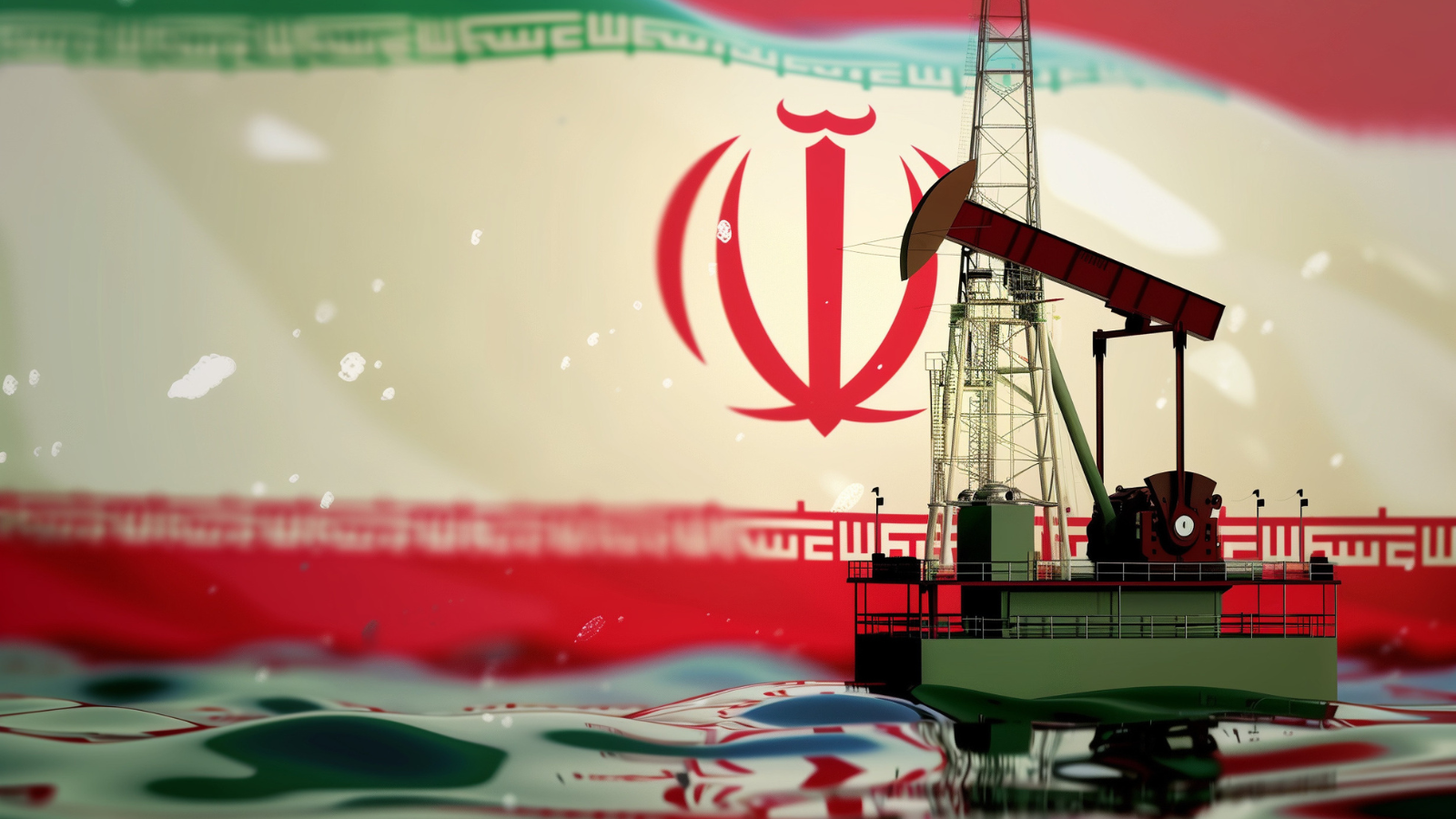
Imagine a world where high-tech weapons like ballistic missiles or drones aren’t bought with cash or bank wires, but with digital coins zipping across the internet. That’s not science fiction—it’s happening right now with Iran leading the charge. As global tensions simmer, this shift to cryptocurrency is reshaping how nations trade arms under the radar, raising eyebrows from Washington to the United Nations. Let’s unpack this emerging story step by step, exploring why it’s a game-changer for everyday observers worried about world stability.
The Emergence of Crypto in Iran’s Arms Exports
Iran’s defense industry isn’t new to controversy, but its latest move to accept cryptocurrencies for weapon sales marks a bold pivot. Through its official export agency, known as Mindex, the country is advertising advanced gear—from Emad ballistic missiles to Shahed drones and even warships—available for purchase using Bitcoin or other digital assets. This isn’t a hidden operation; it’s right there on their government-backed website, complete with FAQs assuring buyers that sanctions won’t get in the way.
For the average person, think of it like online shopping on a massive scale. Instead of using a credit card that banks can track and block, buyers send crypto directly, making transactions faster and harder to intercept. Reports indicate this strategy kicked into high gear amid economic pressures from protests and currency woes in late 2025. It’s a clever workaround for a nation squeezed by years of international restrictions.

Iran publicly displays ballistic missiles for first time after war with Israel
How Digital Assets Help Bypass Global Sanctions
Sanctions are like financial handcuffs imposed by the U.S., EU, and others to limit Iran’s access to global banking, aiming to curb its nuclear ambitions and military activities. Traditional trades get flagged and frozen, but crypto operates on decentralized networks that don’t rely on banks. Iran spells it out: Their policies for “circumventing sanctions” ensure deals go through smoothly, with products delivered “as soon as possible.”
Picture this: A buyer in another country transfers Bitcoin to an Iranian wallet. No SWIFT codes, no intermediaries—just peer-to-peer value exchange. U.S. officials have noted that Iran has been building “shadow banking” networks using overseas fronts and crypto to launder funds, with inbound crypto volumes jumping 11.8% in 2025. This isn’t just theory; it’s part of a broader trend where sanctioned nations like North Korea have used digital assets for similar purposes, though Iran’s public stance is a first for state-level arms deals.
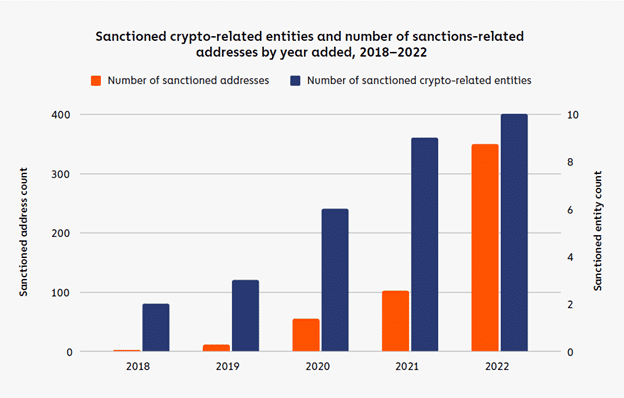
How to Stop Sanctions Evasion Using Blockchain Analytics Solution
Unpacking the $2B Scale of This Crypto-Fueled Trade
The numbers are staggering: Estimates peg Iran’s potential annual crypto-enabled arms trade at over $2 billion, fueled by demand from allies like Russia and others in 35 countries. Mindex claims clients worldwide, offering everything from small arms to anti-ship missiles. In 2024, Iran ranked 18th in global major arms exports, per the Stockholm International Peace Research Institute (SIPRI), and this crypto option could boost that ranking by opening doors to buyers wary of traditional payment risks.
For context, that’s more than some countries’ entire defense budgets. With about 5 million Iranians actively trading crypto, the domestic ecosystem supports this shift, turning digital wallets into tools for state revenue. It’s not just about missiles—barter deals like oil-for-arms are also on the table, blending old-school trading with modern tech.
Broader Implications for Global Security and Crypto’s Future
This development isn’t isolated; it highlights how crypto is evolving from a niche investment to a geopolitical tool. On one hand, it empowers sanctioned regimes to sustain economies and military programs. On the other, it alarms regulators who fear unchecked proliferation of weapons that could fuel conflicts in hotspots like Ukraine or the Middle East.
What does this mean for you? If you’re invested in crypto, watch for potential crackdowns—governments might ramp up blockchain monitoring or impose crypto-specific sanctions. For global peace, it complicates efforts to enforce treaties, as anonymous transactions make tracking harder. Yet, it also sparks innovation in privacy tech, which could benefit everyday users seeking secure payments.
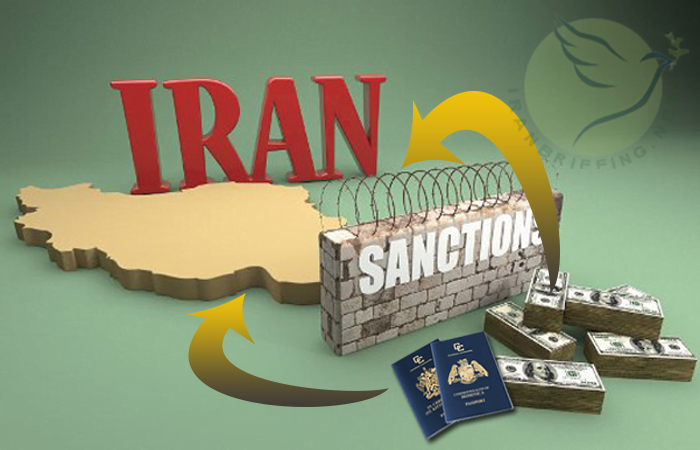
US-Iran tensions threaten the world’s most important oil-shipping …
In essence, Iran’s crypto arms play is a wake-up call. It blends technology with real-world power dynamics, urging us to rethink how digital money influences international relations. As 2026 unfolds, keeping an eye on these trends could help demystify the headlines and understand the bigger picture.